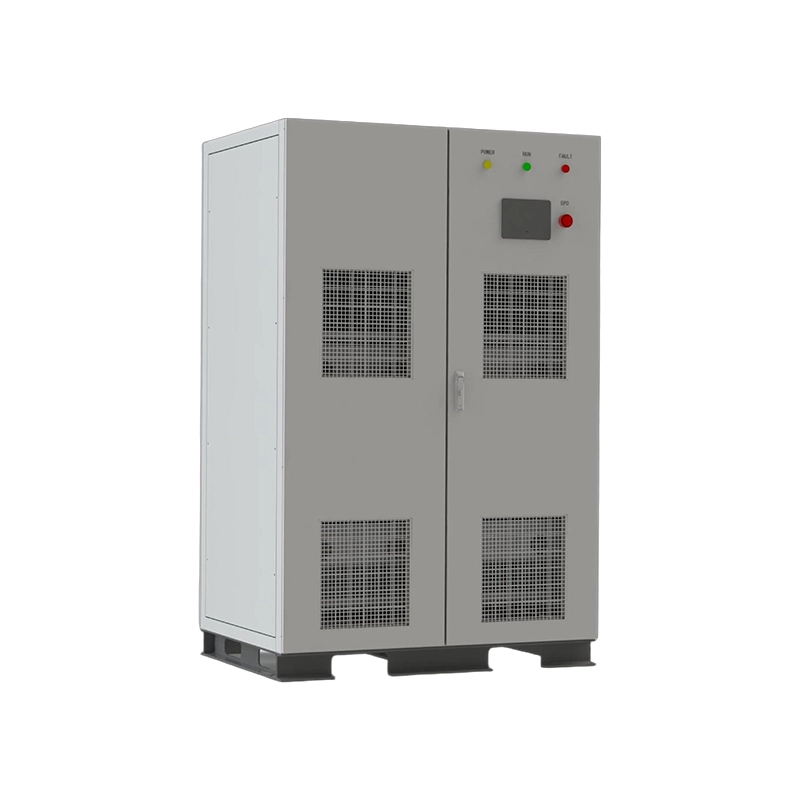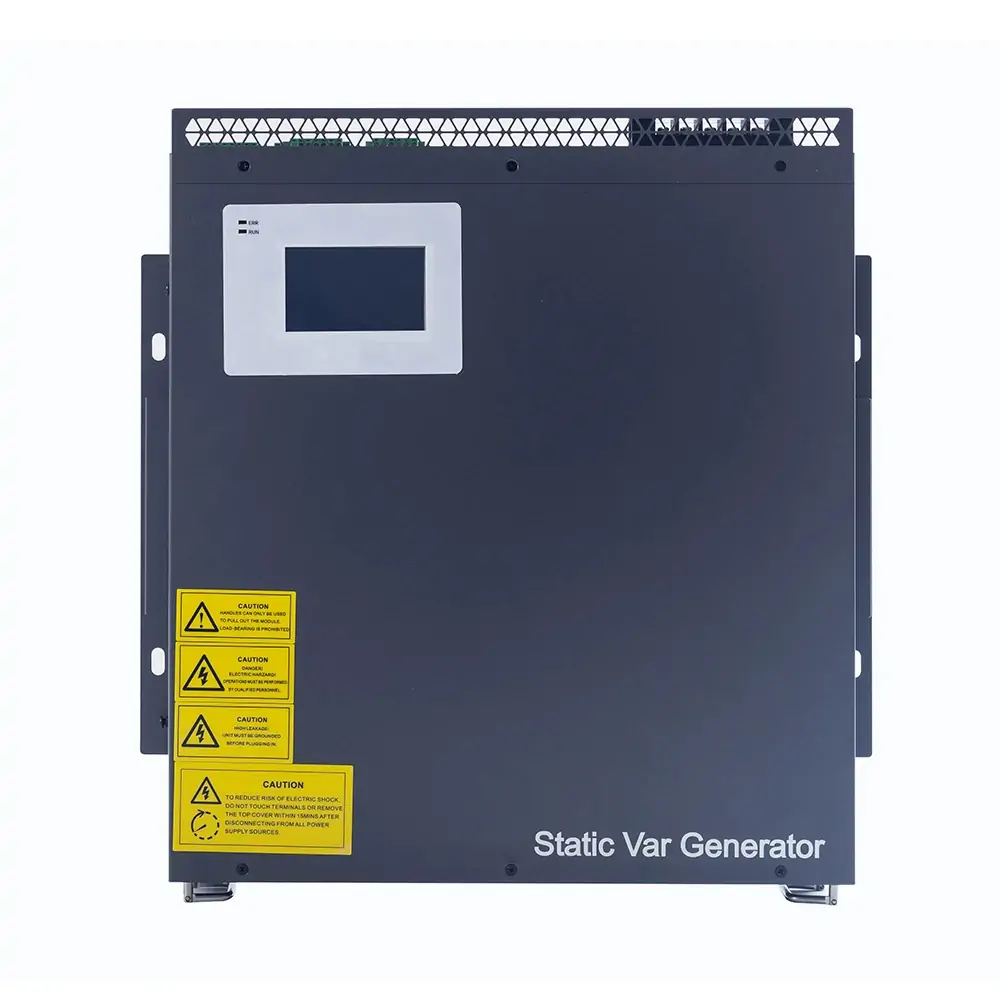
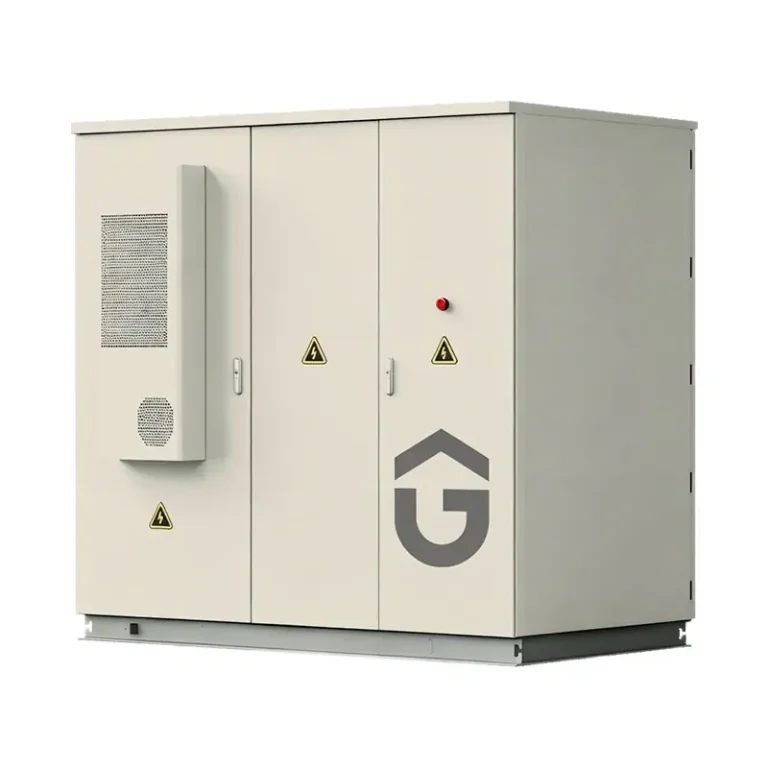
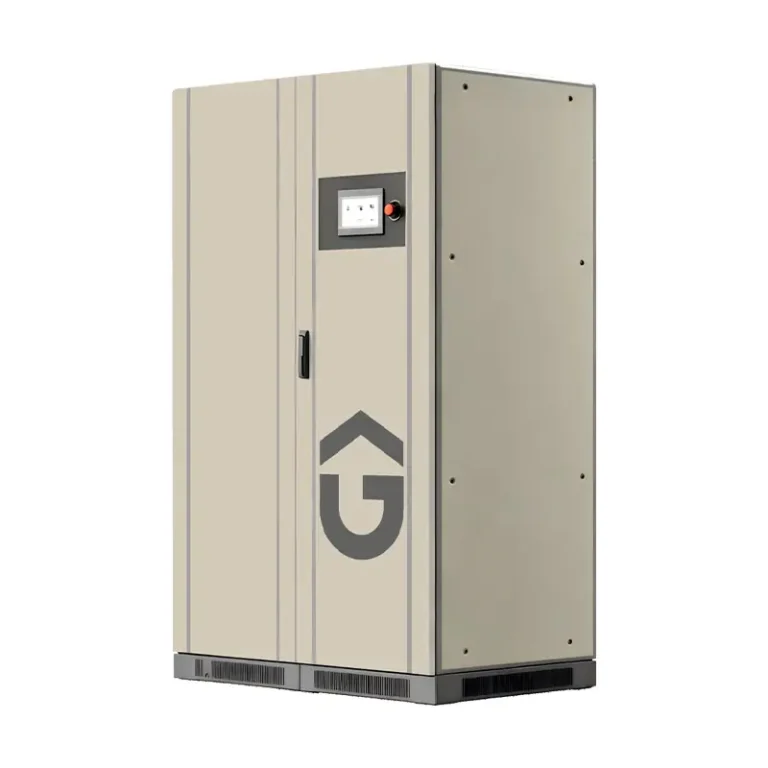
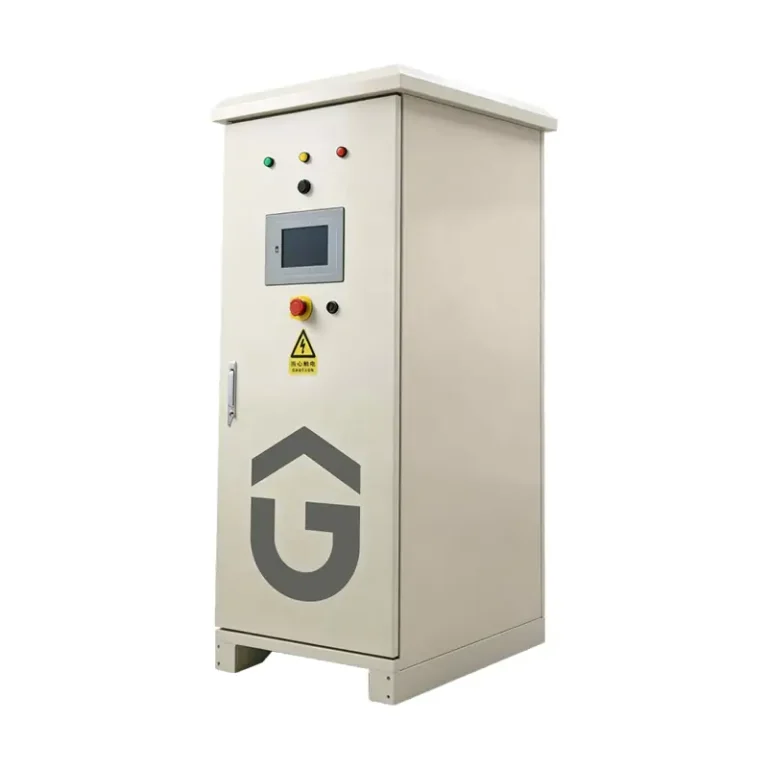
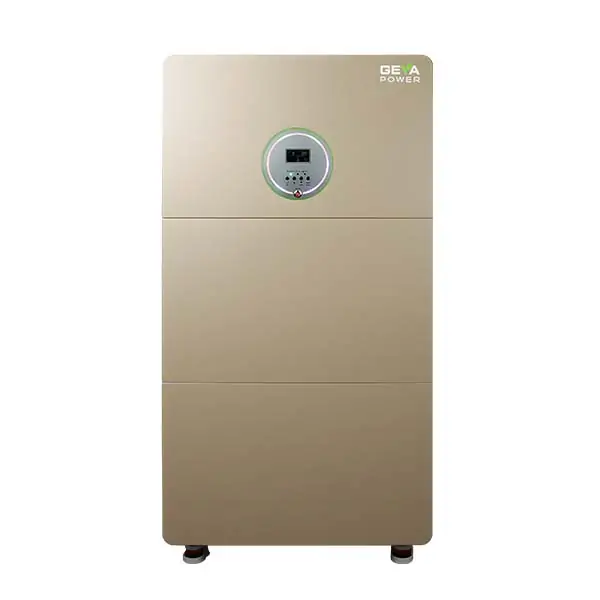




Why Power Quality Management Matters for Modern Electrical Systems
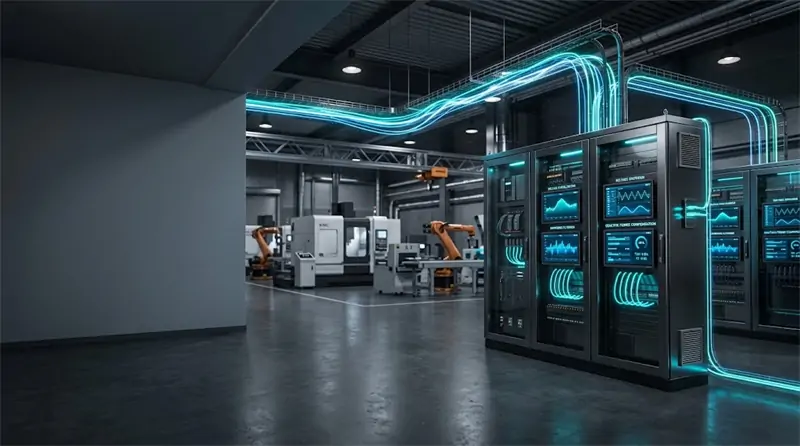
Traditional electrical systems were mainly designed to deliver power from the grid to loads. However, today’s electrical environment has become much more complicated. The rapid growth of power electronics, variable frequency drives, industrial automation systems, electric vehicle chargers, and renewable energy equipment has introduced new challenges for power quality.
Many modern electrical loads no longer consume electricity in a simple linear way. Instead, they create electrical disturbances that affect the entire distribution network. Without proper management, these problems can spread throughout a facility and cause unexpected operational risks.
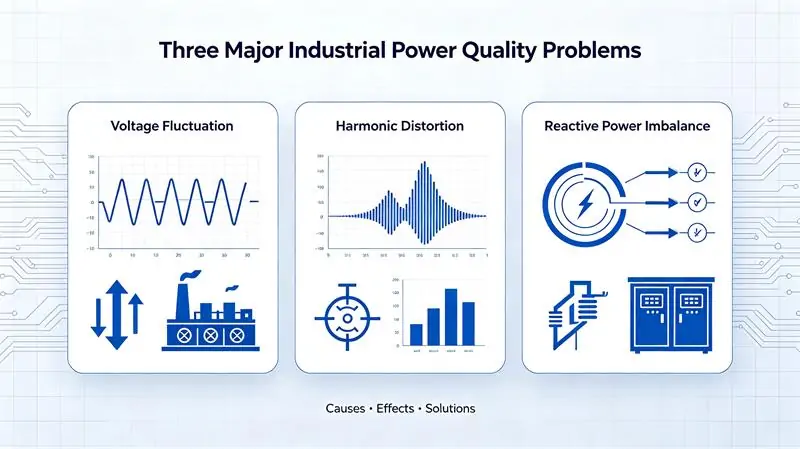
Common Power Quality Problems Include:
- Harmonic Distortion:
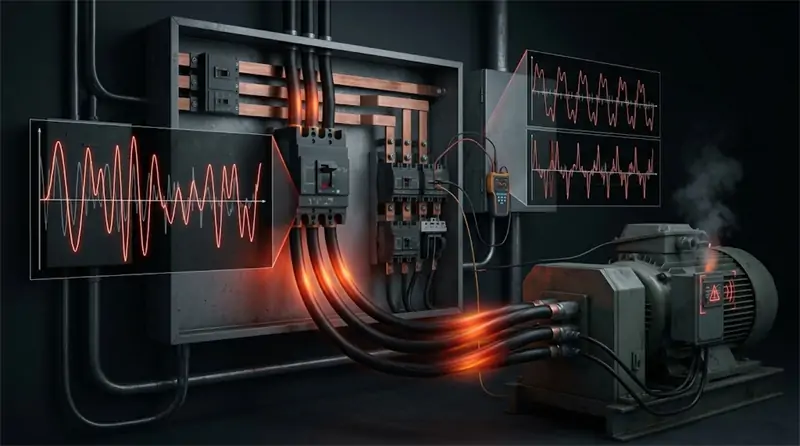
Nonlinear loads such as frequency converters, UPS systems, and switching power supplies generate harmonic currents that increase losses, overheat transformers, and reduce equipment efficiency. - Voltage Fluctuations:
Sudden voltage changes can interrupt sensitive production equipment, causing downtime and reducing product quality. - Low Power Factor:
Insufficient reactive power compensation increases unnecessary current flow, leading to higher electricity costs and reduced distribution capacity. - Voltage Unbalance:
Uneven three-phase voltage distribution can cause motor overheating, vibration, and shortened equipment lifespan. - Transient Overvoltage:
Lightning strikes and switching operations may generate destructive voltage spikes that damage electrical components.
Effective power quality management solves these problems by continuously monitoring electrical conditions and applying targeted compensation technologies. Instead of allowing electrical disturbances to impact the entire system, modern solutions actively correct problems in real time.
The Core Benefits of Implementing GEYA Power Quality Solutions
Installing professional power quality equipment is not only about solving electrical problems. It is an investment in operational reliability, energy efficiency, and long-term equipment protection.
1. Stable and Cleaner Power Supply
GEYA power quality solutions help maintain stable voltage and current conditions by quickly responding to electrical disturbances. Advanced compensation technology works within milliseconds to correct power fluctuations, ensuring connected equipment receives a cleaner and more reliable energy supply.
2. Reduced Energy Loss and Improved Efficiency
Electrical losses caused by harmonic currents and poor power factor can significantly increase energy consumption. GEYA AHF and SVG solutions optimize electrical performance by reducing unnecessary current flow, improving system efficiency, and lowering operational energy costs.
3. Protection of Valuable Industrial Equipment
Industrial machinery, automation systems, and precision equipment represent significant investments. Poor power quality can accelerate component aging and increase maintenance frequency.
By controlling harmonic distortion, voltage instability, and electrical interference, GEYA power quality management systems help protect expensive assets and extend equipment service life.
4. Improved System Reliability and Production Continuity
For factories, data centers, and commercial facilities, unexpected electrical failures can result in significant financial losses. A properly designed power quality management system creates a more stable electrical environment, reducing downtime risks and improving overall operational continuity.
What Is Included in a Complete Power Quality Management System?
A complete power quality management strategy usually includes three key stages:
- Power Quality Analysis:
Identify electrical problems through monitoring and measurement of voltage, current, harmonics, reactive power, and system performance. - Targeted Compensation:
Select suitable power quality equipment based on actual electrical conditions and load characteristics. - Continuous Optimization:
Maintain equipment performance through monitoring, maintenance, and system adjustment.
GEYA follows this systematic approach by combining advanced electrical compensation technologies with practical engineering experience. Whether the challenge is harmonic pollution, reactive power imbalance, voltage instability, or surge protection, GEYA provides customized solutions designed around actual application requirements.
Mainstream Power Quality Management Solutions
Different electrical problems require different technical approaches. There is no single device that can solve every power quality issue. Selecting the correct solution requires understanding the source of the problem and matching it with the appropriate technology.
Mainstream Power Quality Management Solutions
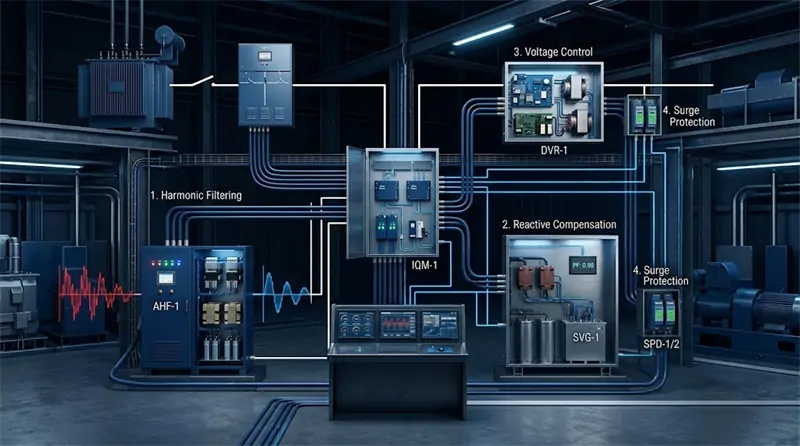
Modern electrical networks face increasingly complex power quality challenges. Different disturbances require different correction technologies. GEYA offers a comprehensive range of power quality management products designed to solve specific electrical problems and create a safer, more efficient, and more reliable power distribution environment.
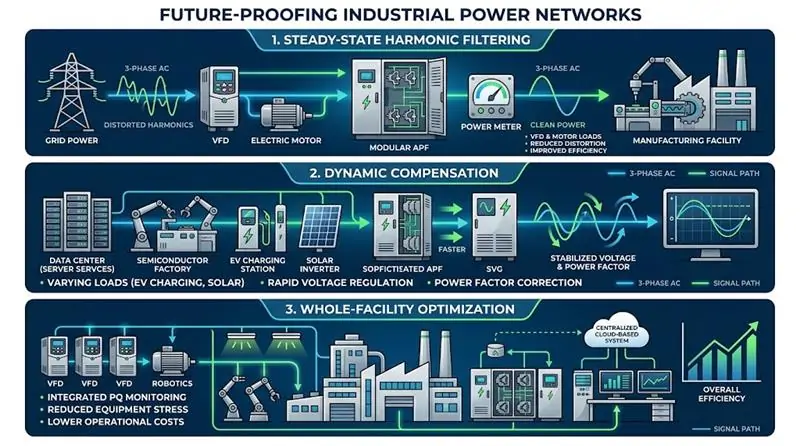
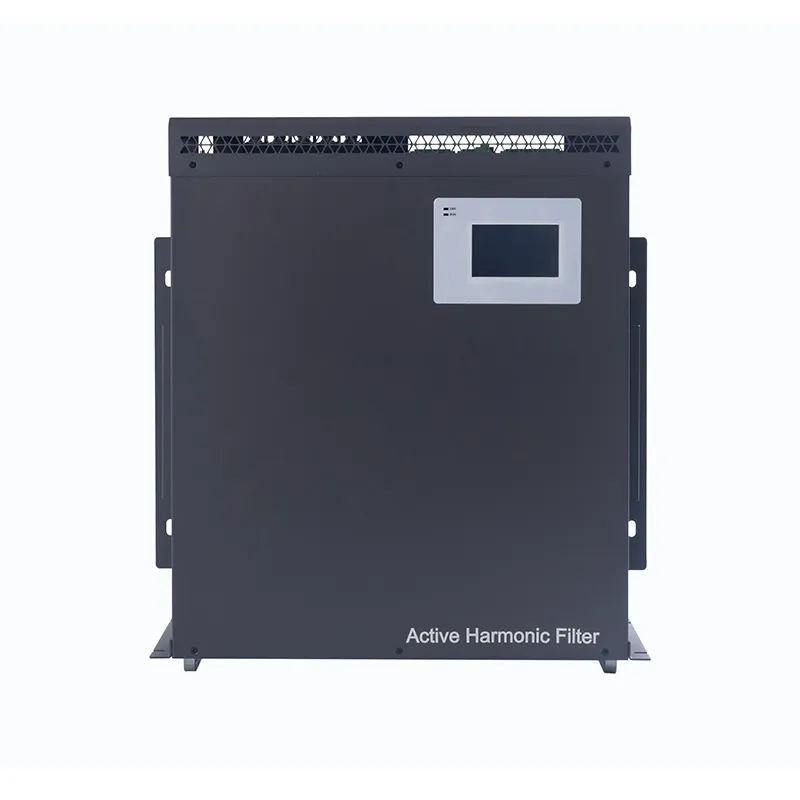
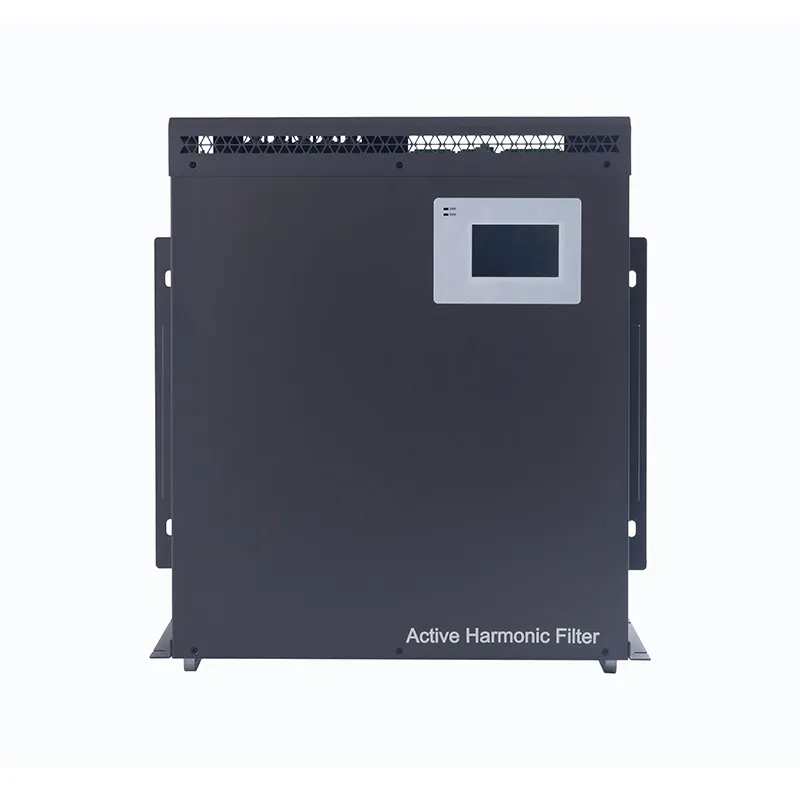
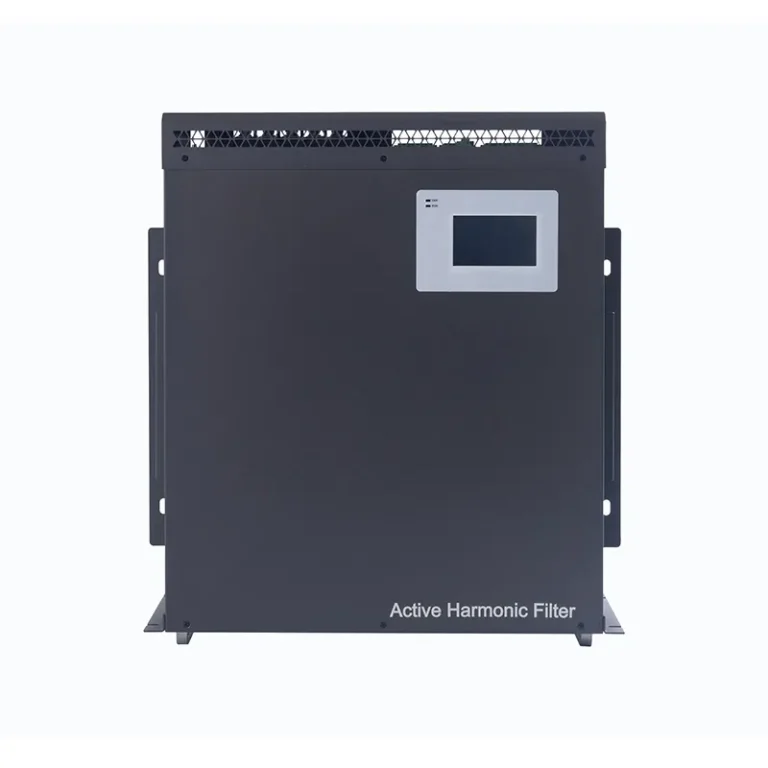
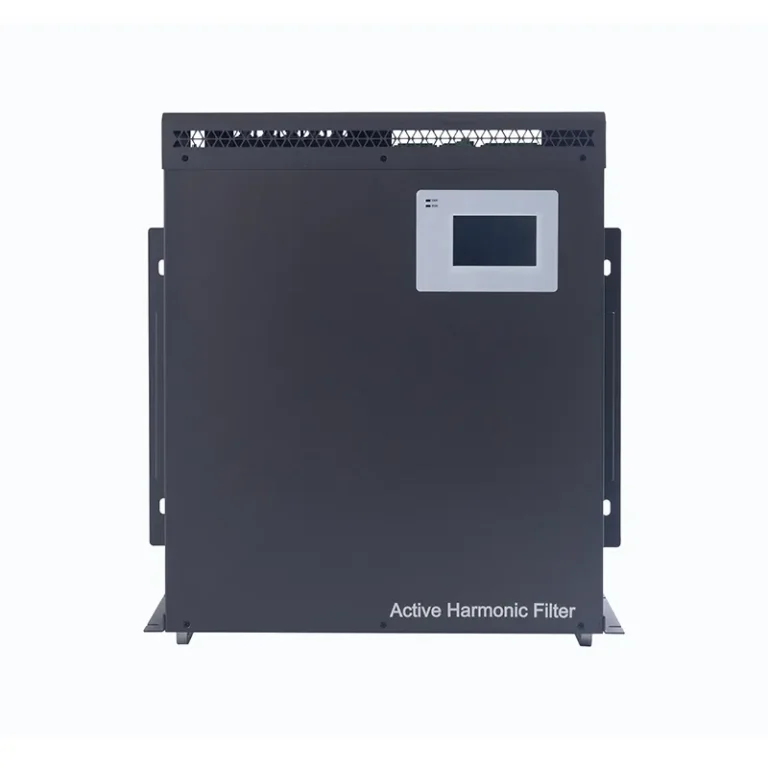
1. Active Harmonic Filter (AHF): Eliminating Harmonic Pollution in Electrical Systems
Harmonic distortion is one of the most common power quality problems in modern industrial facilities. Equipment such as variable frequency drives, UPS systems, welding machines, and switching power supplies often generate nonlinear currents that introduce harmonic components into the electrical network.
These unwanted harmonic currents can cause transformer overheating, cable losses, motor vibration, control system interference, and reduced equipment efficiency. In severe cases, harmonic distortion may even trigger unexpected equipment failures and production interruptions.
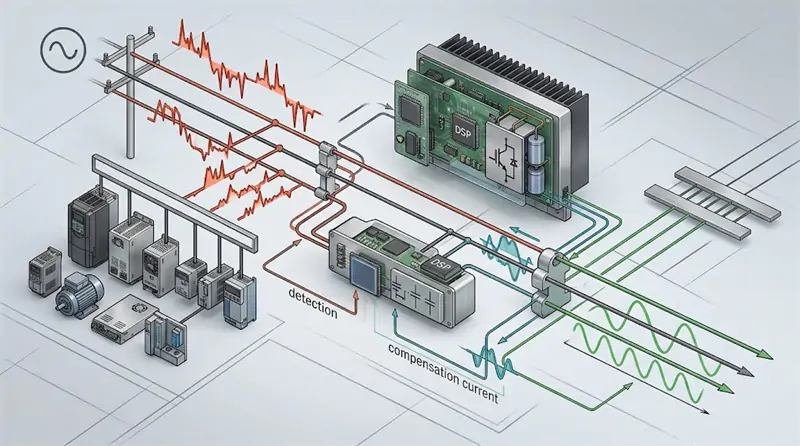
GEYA Active Harmonic Filter (AHF) provides an advanced active compensation solution by detecting harmonic currents in real time and generating opposite-phase compensation currents to cancel unwanted harmonics.
Unlike traditional passive filters that target specific harmonic frequencies, GEYA AHF dynamically adapts to changing electrical conditions, providing precise harmonic suppression across a wide frequency range.
Key Advantages of GEYA AHF:
- Real-Time Harmonic Compensation:
Instantly detects and eliminates harmonic currents, maintaining cleaner electrical waveforms. - High Compensation Accuracy:
Effectively reduces harmonic distortion and improves overall power quality performance. - Flexible Application:
Suitable for factories, data centers, commercial buildings, and renewable energy systems. - Reduced Electrical Losses:
Lower harmonic currents help reduce transformer heating, cable losses, and unnecessary energy consumption.
By installing GEYA AHF solutions, electrical systems can achieve smoother current waveforms, improved equipment efficiency, and a more stable operating environment.
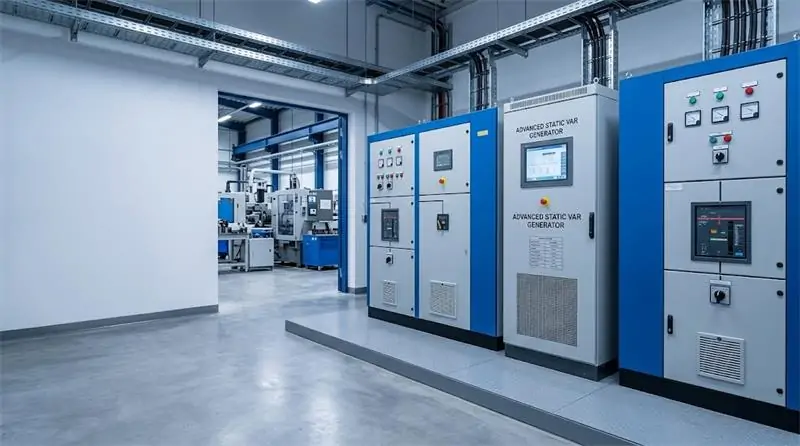
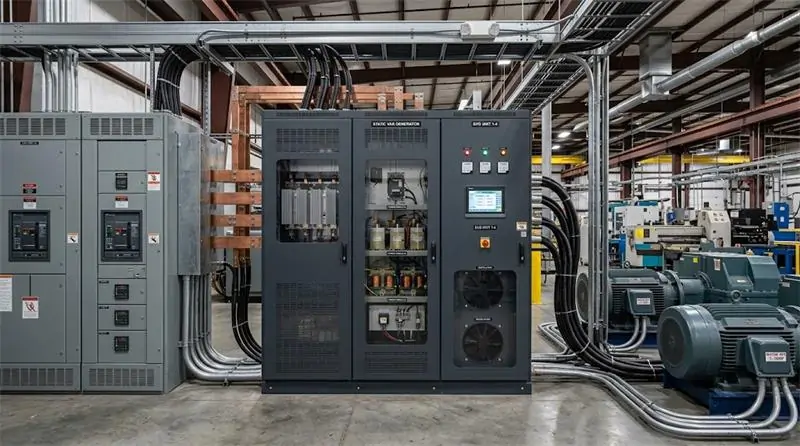
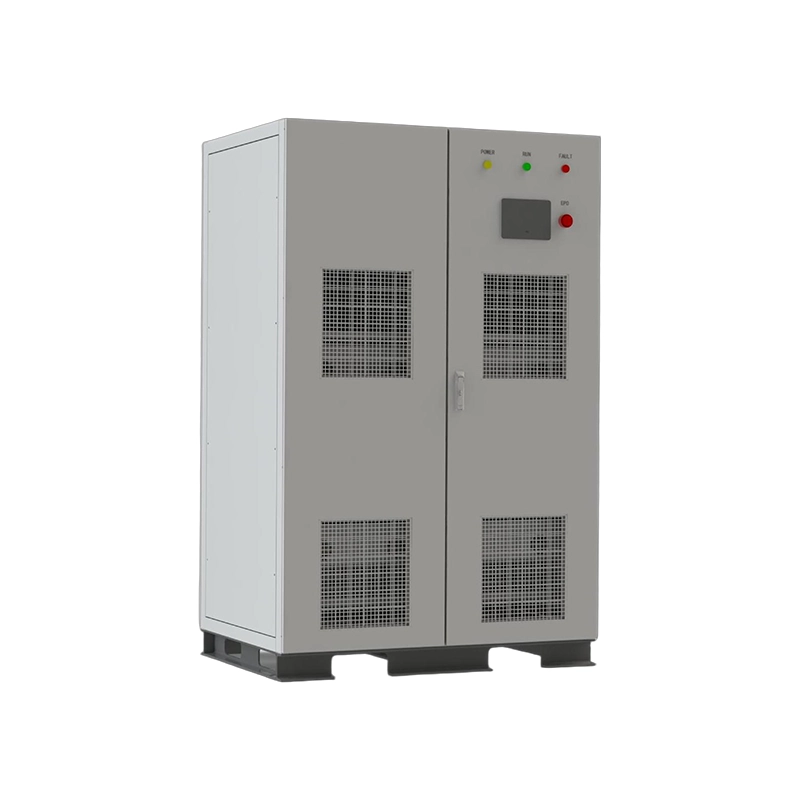
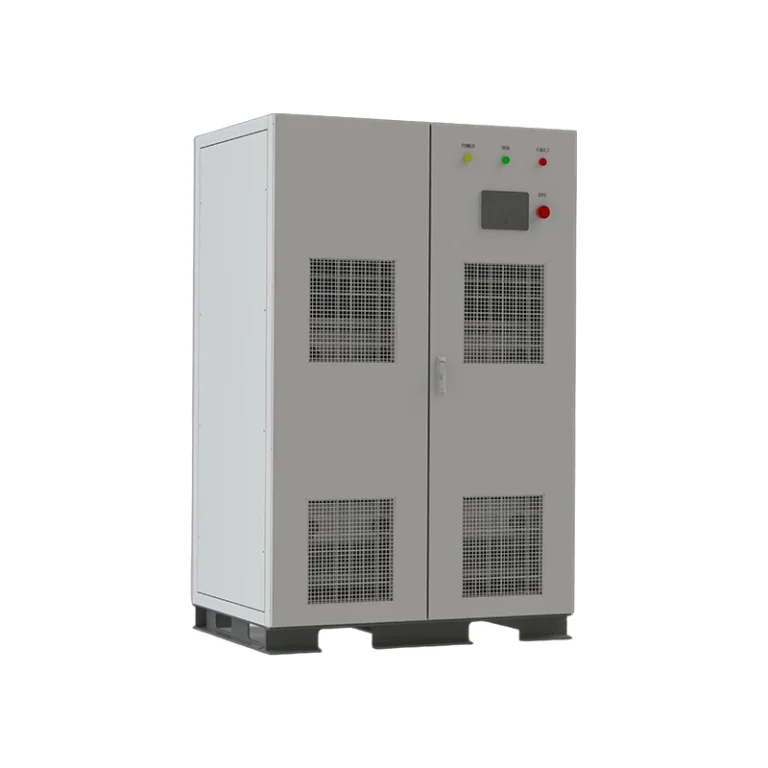
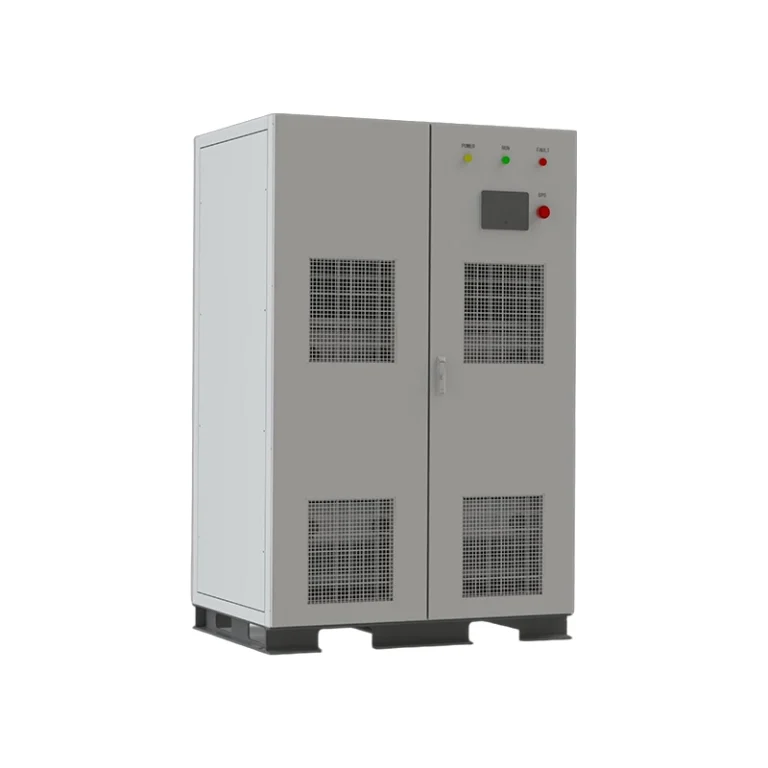
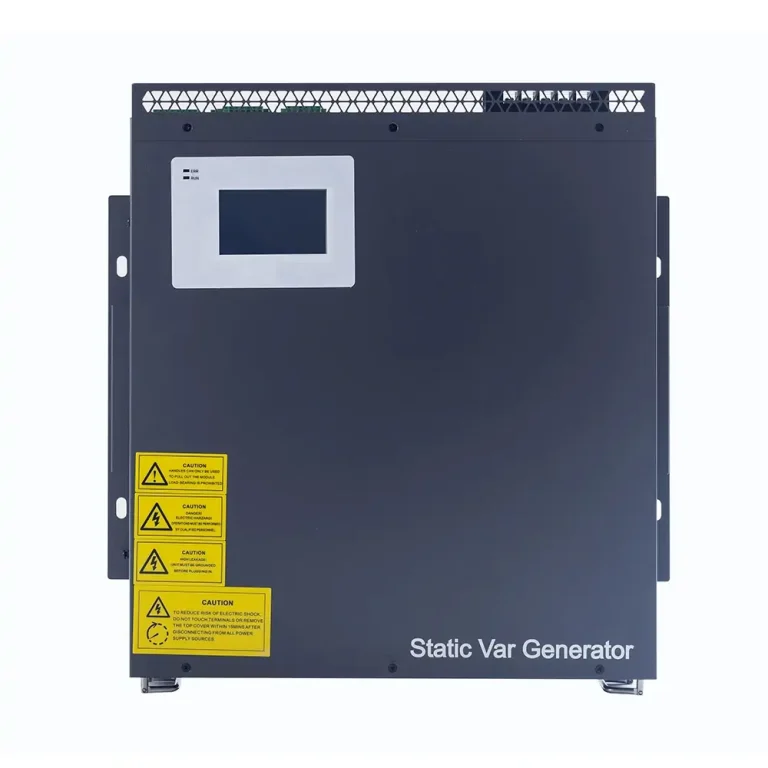
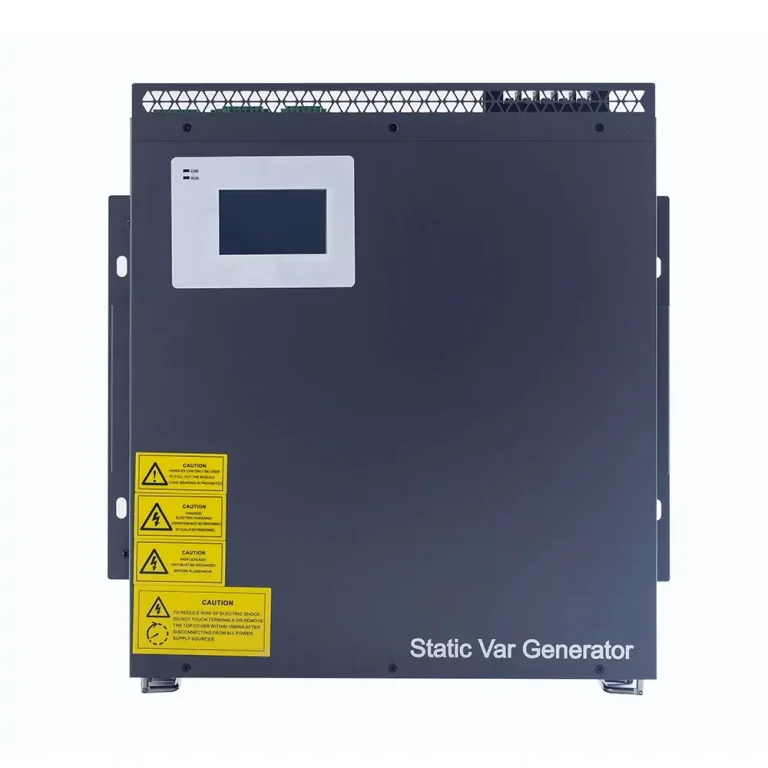
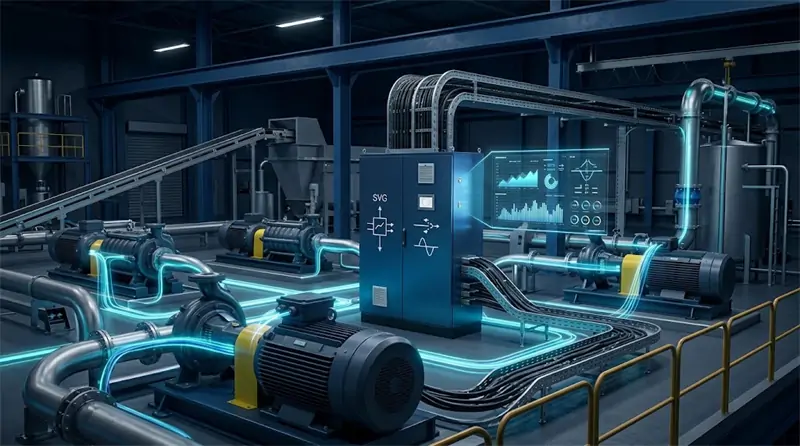
2. Static Var Generator (SVG): Intelligent Reactive Power Compensation
Reactive power management is another critical part of power quality improvement. Many industrial loads, especially motors, pumps, compressors, and transformers, require reactive power to operate. However, excessive reactive current increases system loading and reduces power factor.
A low power factor causes higher current demand, increased transmission losses, reduced transformer capacity, and potentially higher electricity charges.
GEYA Static Var Generator (SVG) provides dynamic reactive power compensation by continuously monitoring system conditions and adjusting reactive current output within milliseconds.
Compared with traditional capacitor banks, SVG technology provides faster response, better compensation accuracy, and stronger adaptability under rapidly changing loads.
Key Advantages of GEYA SVG:
- Fast Dynamic Response:
Rapidly compensates reactive power changes caused by fluctuating industrial loads. - Improved Power Factor:
Reduces unnecessary reactive current and improves electrical system efficiency. - Stable Voltage Performance:
Helps maintain voltage stability under variable load conditions. - Compact and Intelligent Design:
Suitable for modern industrial distribution systems requiring reliable compensation.
With GEYA SVG installed, electrical systems achieve smoother power flow, improved energy utilization, and reduced stress on transformers and distribution equipment.
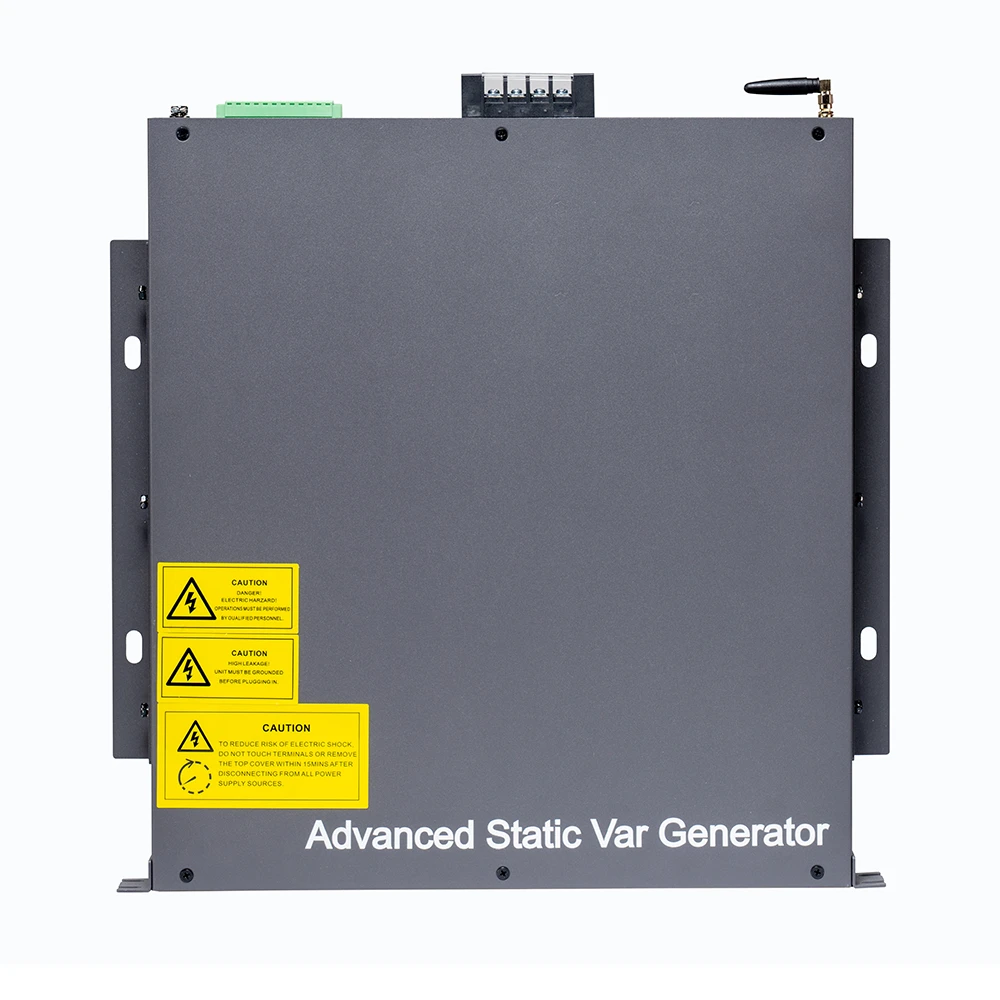
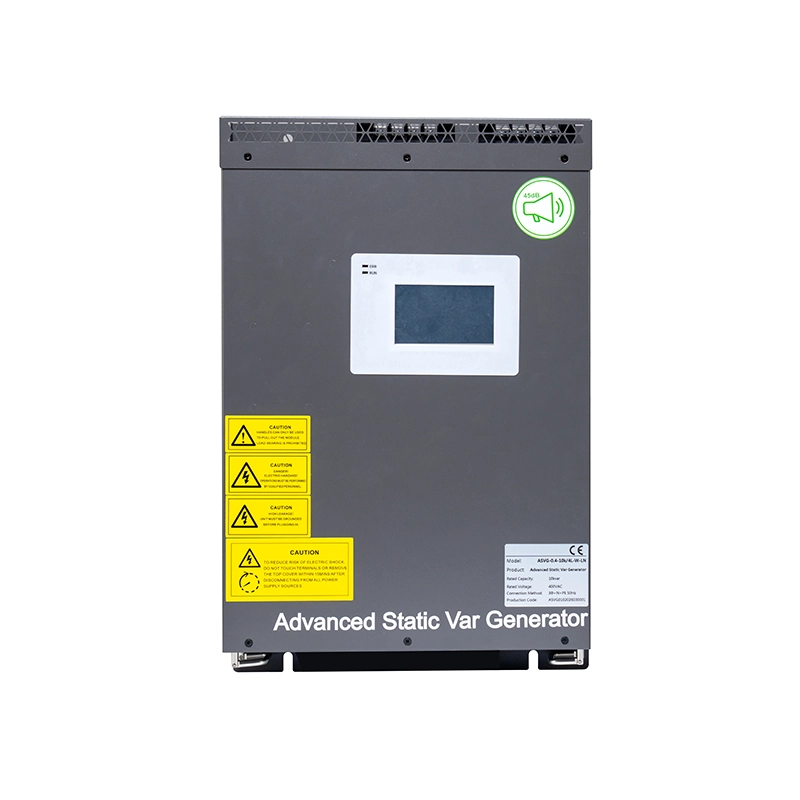
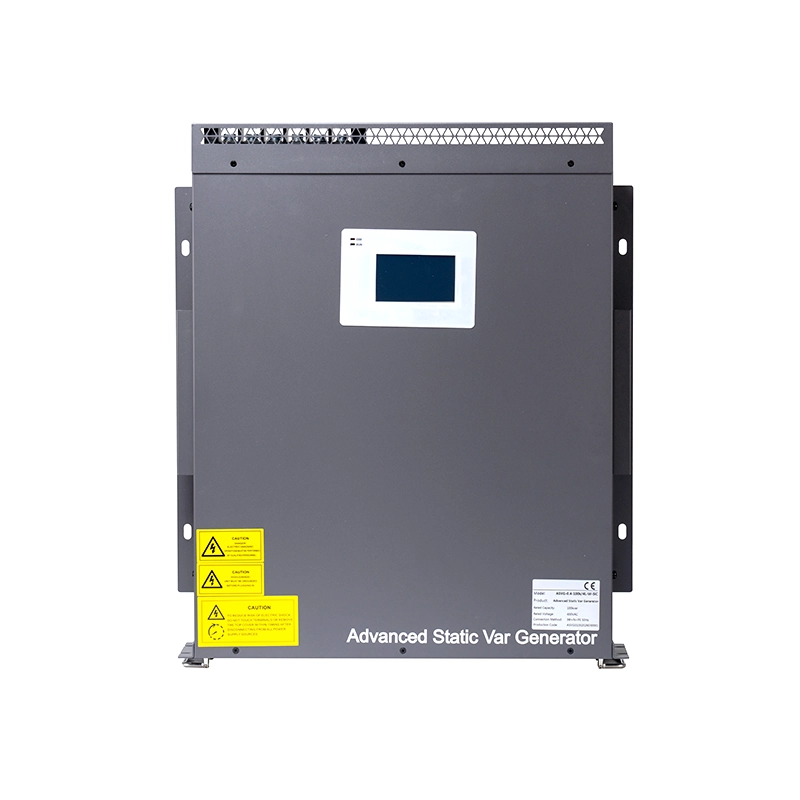
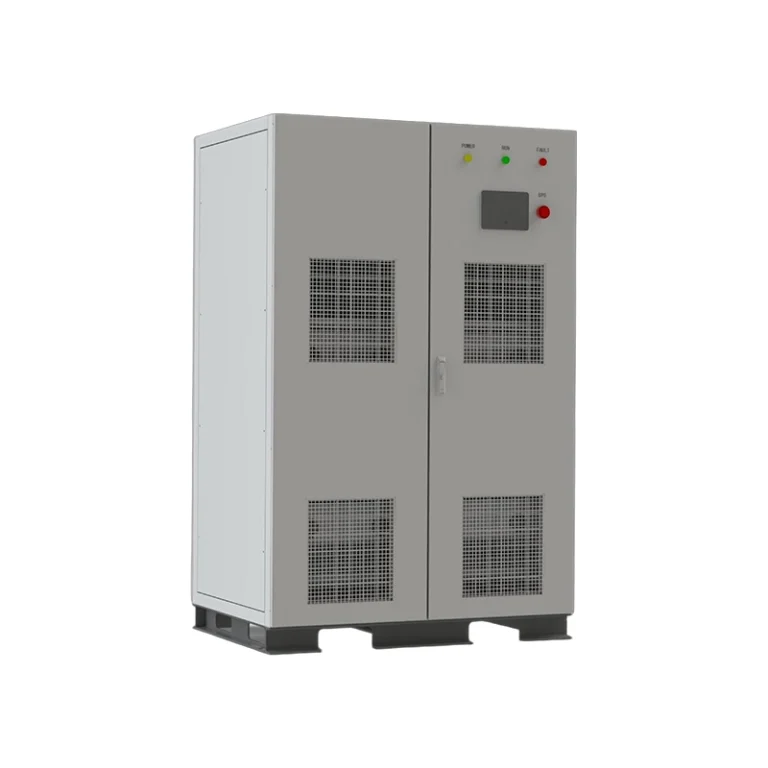
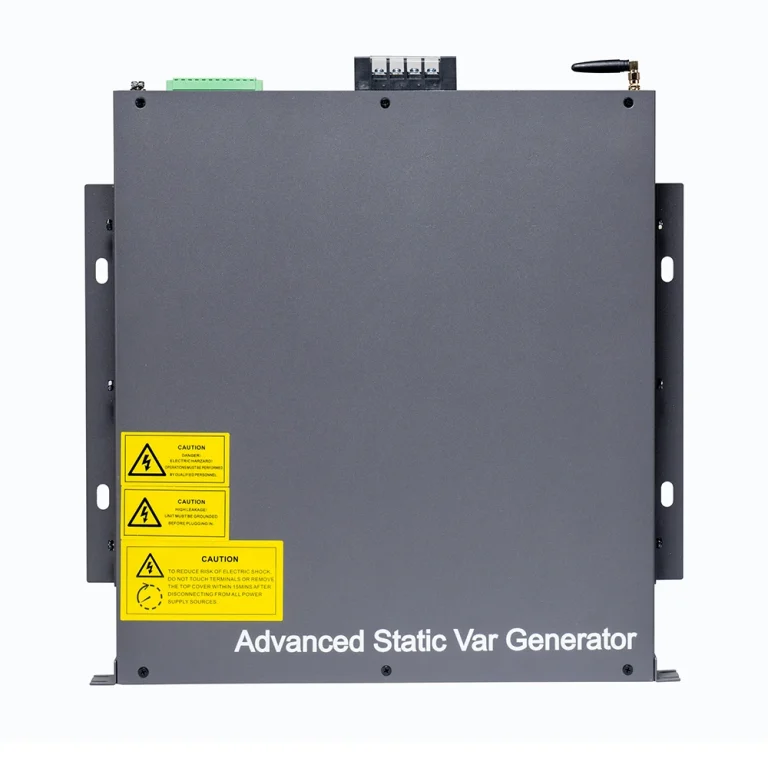
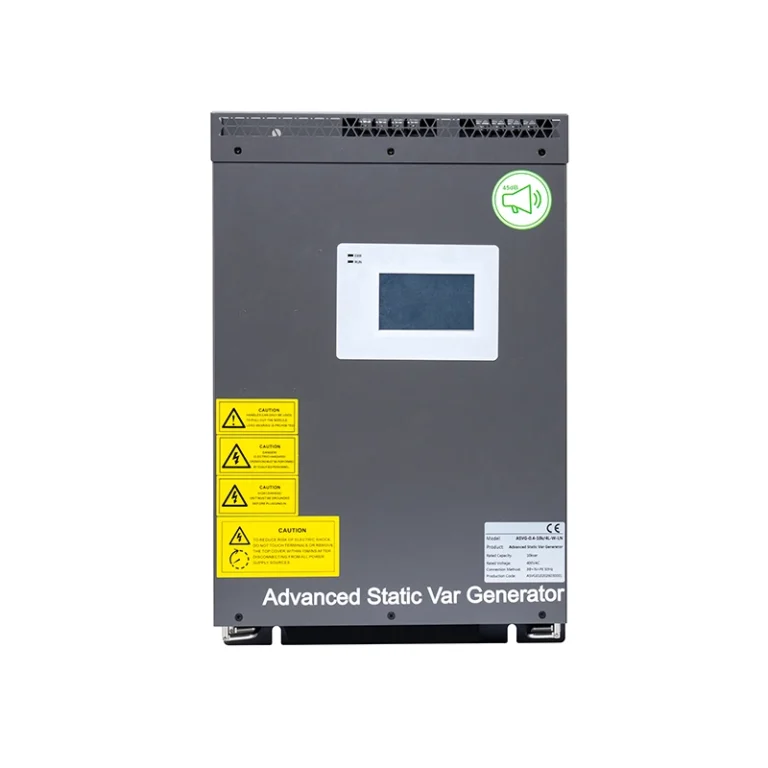
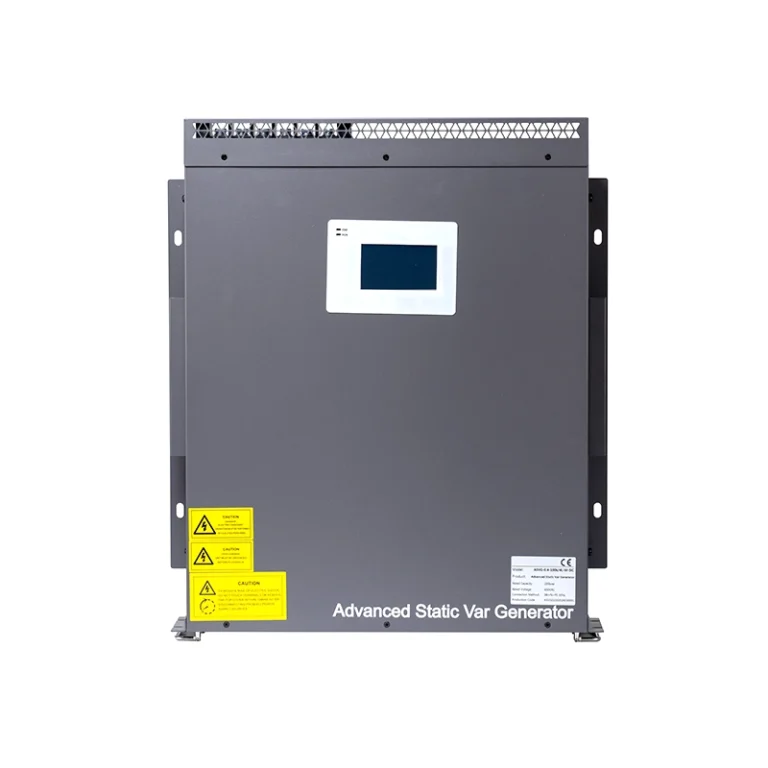
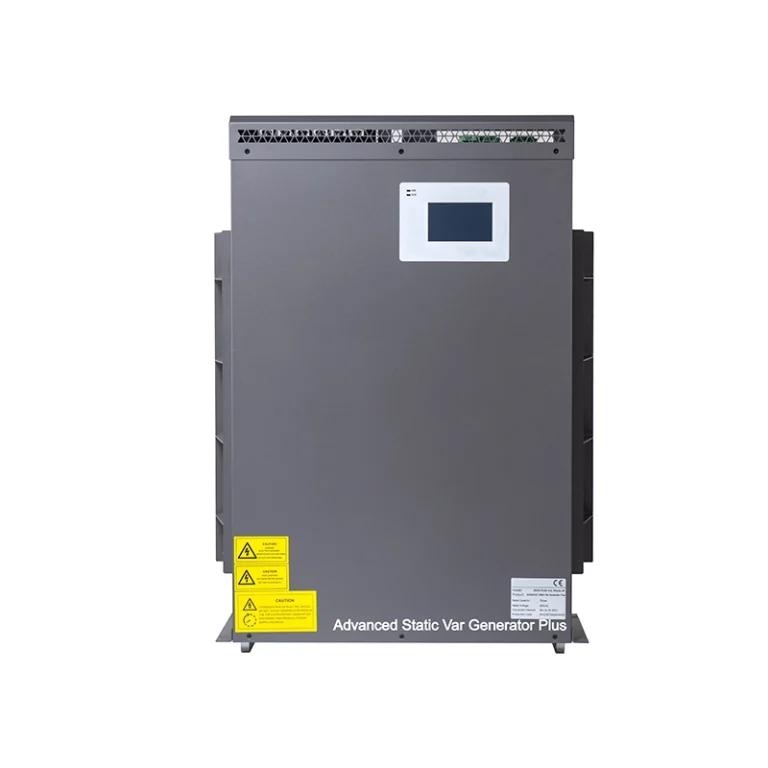
3. Advanced Static Var Generator (ASVG): Comprehensive Power Quality Correction
For applications requiring higher power quality performance, Advanced Static Var Generator (ASVG) technology combines multiple compensation functions into one intelligent device.
Traditional compensation equipment usually focuses on one specific problem. However, modern industrial systems often experience multiple issues simultaneously, including reactive power imbalance, harmonic distortion, and three-phase unbalance.
GEYA ASVG provides a comprehensive solution by combining reactive power compensation, harmonic mitigation, and load balancing capabilities.
GEYA ASVG Main Functions:
- Reactive power compensation for improved power factor.
- Harmonic current suppression for cleaner power waveforms.
- Three-phase load balancing to improve system stability.
- Fast intelligent control for changing industrial environments.
ASVG technology is especially suitable for demanding applications such as manufacturing plants, semiconductor facilities, renewable energy systems, and critical infrastructure where electrical stability is essential.
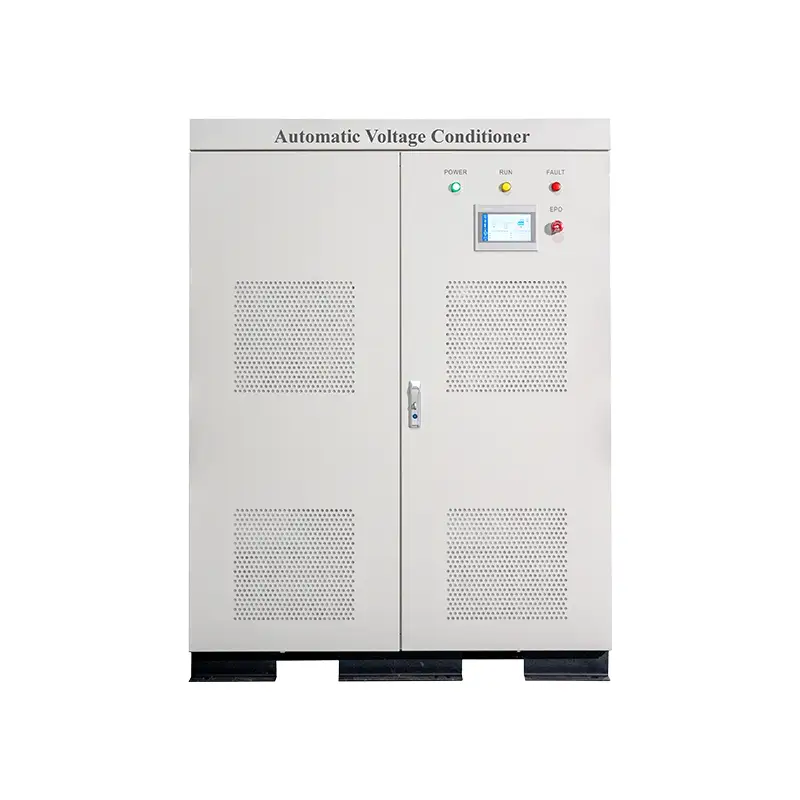
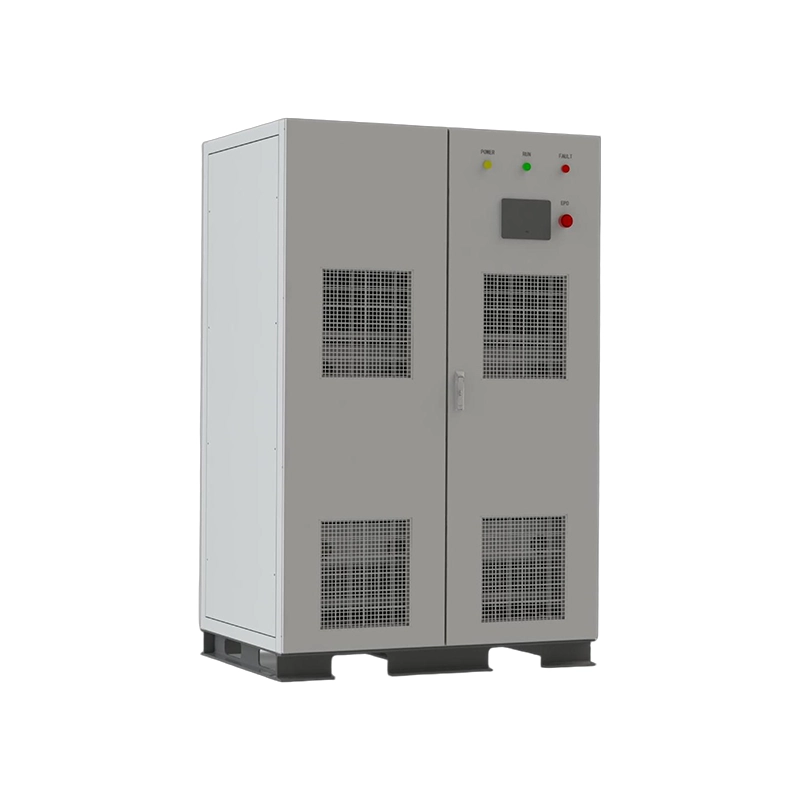
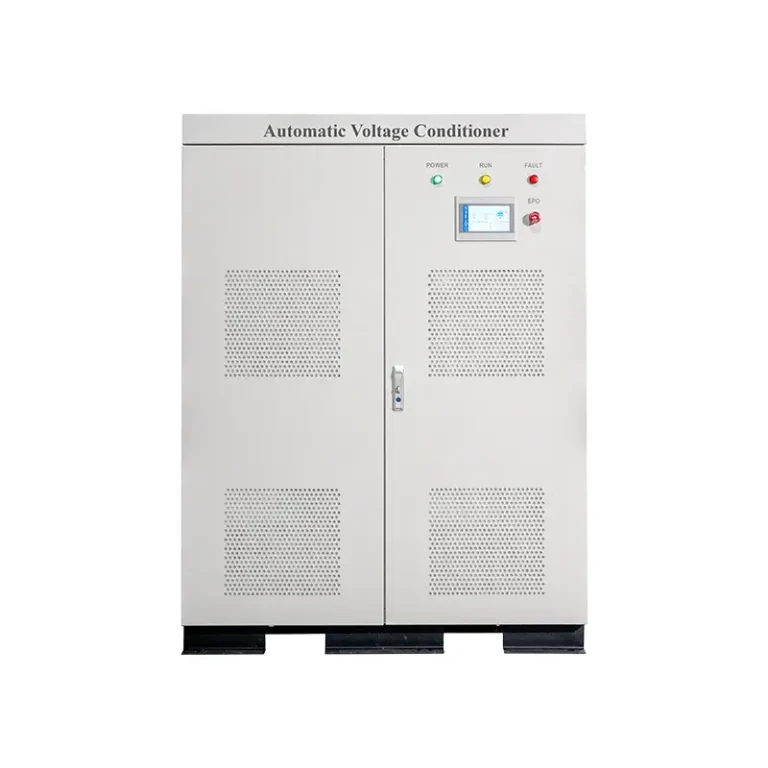
4. Automatic Voltage Controller (AVC): Maintaining Stable Voltage Supply
Voltage instability is another major factor affecting electrical equipment reliability. Voltage drops, overvoltage conditions, and frequent fluctuations can negatively impact motors, automation systems, lighting equipment, and sensitive electronic devices.
GEYA Automatic Voltage Controller (AVC) continuously monitors voltage conditions and automatically adjusts output to maintain a stable voltage range.
By reducing voltage variation, AVC systems help improve equipment performance, reduce unexpected shutdowns, and extend the service life of electrical components.
Applications of GEYA AVC:
- Industrial automation systems.
- Manufacturing production lines.
- Commercial buildings.
- Data centers and critical electrical facilities.
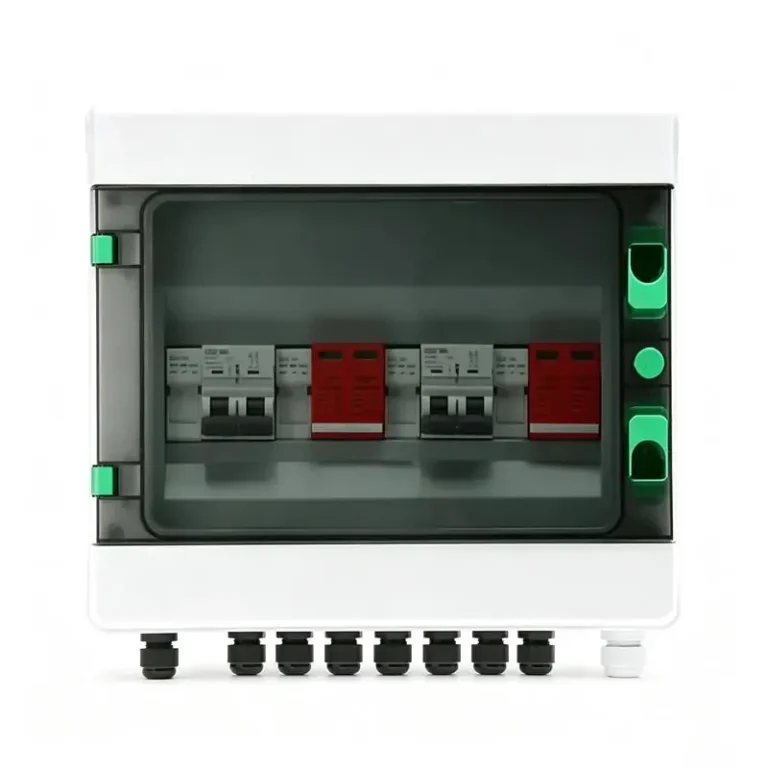
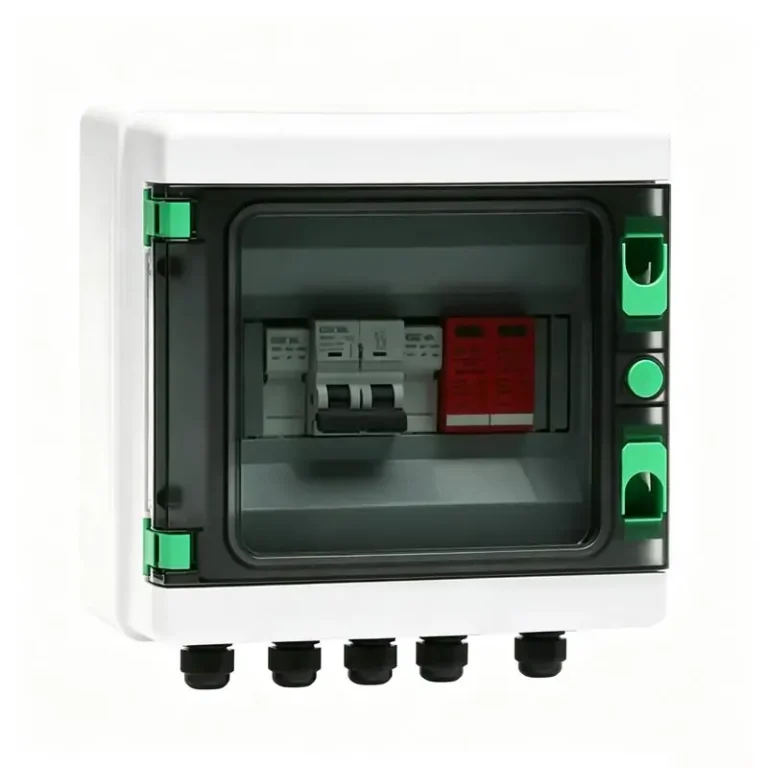
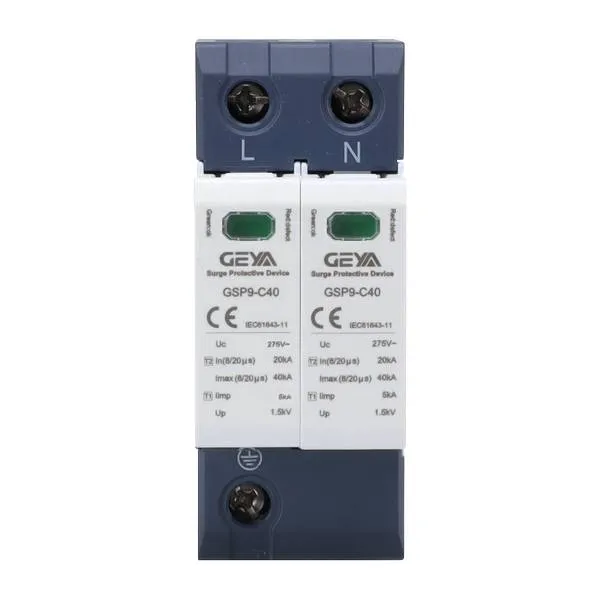
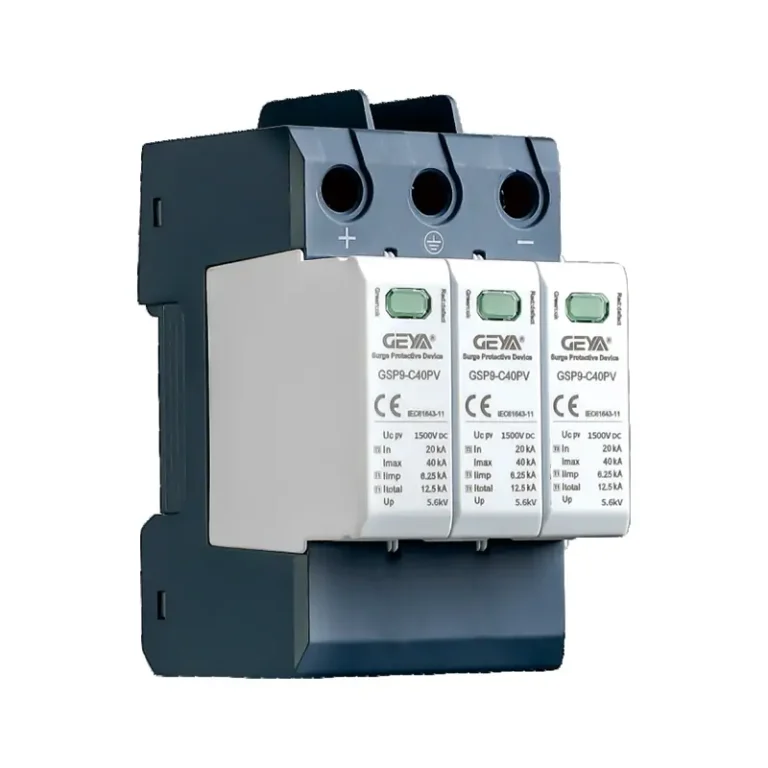
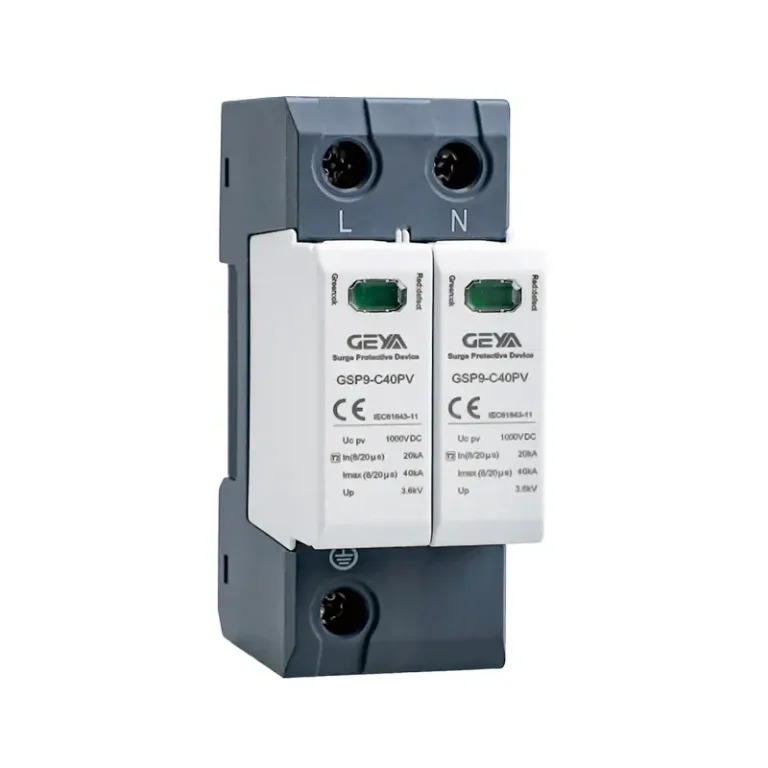
5. Surge Protection Device (SPD): Protecting Electrical Equipment from Transient Damage
Electrical systems are vulnerable to sudden voltage spikes caused by lightning strikes, switching operations, and grid disturbances. These transient overvoltages can instantly damage sensitive electronic components.
GEYA Surge Protection Devices (SPD) provide a protective barrier by diverting excessive transient energy away from connected equipment.
Benefits of GEYA SPD:
- Protects electrical equipment from destructive voltage surges.
- Improves system safety and reliability.
- Reduces maintenance costs caused by electrical damage.
- Suitable for industrial, commercial, and renewable energy applications.
When combined with AHF, SVG, ASVG, and AVC technologies, SPD creates a complete electrical protection strategy covering both power quality improvement and equipment safety.
How to Select the Right Power Quality Management Solution?
Choosing the correct power quality equipment is not simply about selecting the most powerful device. Every electrical system has unique operating conditions, load characteristics, and power quality challenges. A successful solution requires a detailed understanding of the electrical environment and selecting equipment that matches the actual application requirements.
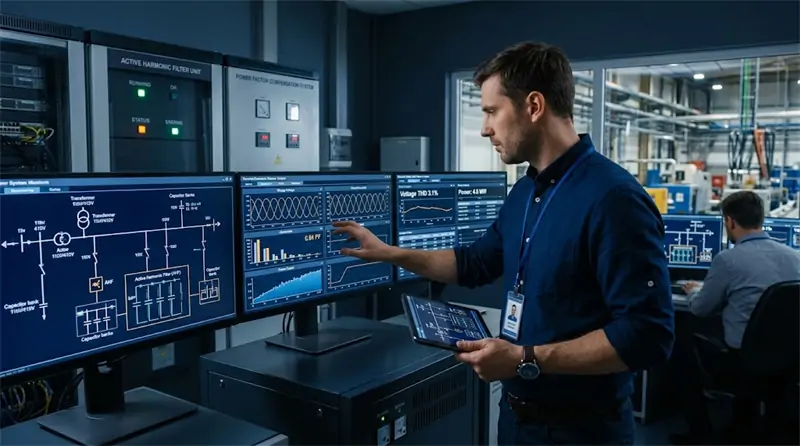
Before installing GEYA power quality equipment, engineers should evaluate several key factors, including electrical problems, load types, system capacity, operating conditions, and future expansion requirements.
1. Identify the Main Power Quality Problem
The first step is to determine what type of electrical disturbance exists in the system.
- High Harmonic Distortion:
Choose Active Harmonic Filter (AHF) solutions to eliminate harmonic currents and restore clean current waveforms. - Low Power Factor:
Select Static Var Generator (SVG) solutions to improve reactive power compensation and increase electrical efficiency. - Multiple Power Quality Issues:
Choose Advanced Static Var Generator (ASVG) for combined harmonic filtering, reactive compensation, and load balancing. - Voltage Instability:
Apply Automatic Voltage Controller (AVC) systems to maintain stable voltage output. - Transient Voltage Risk:
Install Surge Protection Devices (SPD) to protect equipment from sudden voltage spikes.
2. Analyze Load Characteristics
Different electrical loads create different power quality challenges. Understanding the load type is essential for selecting the correct solution.
| Load Type | Common Problems | Recommended GEYA Solution |
|---|---|---|
| Variable Frequency Drives (VFD) | Harmonics, reactive power demand | AHF + SVG |
| Industrial Motors | Low power factor, voltage fluctuation | SVG + AVC |
| Data Centers | Harmonics, sensitive equipment protection | AHF + SPD |
| Manufacturing Lines | Multiple electrical disturbances | ASVG comprehensive solution |
| Renewable Energy Systems | Grid interaction, voltage variation | SVG + AVC + SPD |
3. Consider System Capacity and Installation Environment
The capacity of power quality equipment should match the electrical system demand. Engineers need to consider parameters such as rated current, installation location, load variation range, and future expansion possibilities.
GEYA provides flexible power quality solutions suitable for different application environments, from compact commercial electrical rooms to large industrial distribution systems.
Technical Analysis: Active Power Quality Management vs Passive Solutions
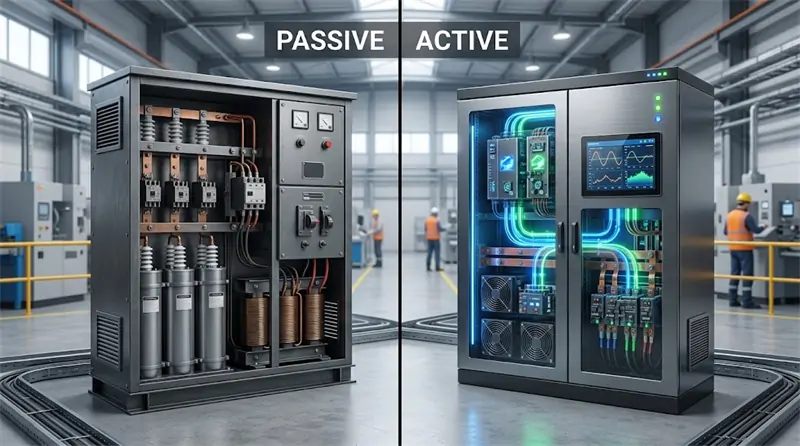
Power quality correction technologies can generally be divided into two categories: active solutions and passive solutions. Understanding their differences helps users select the most effective technology for modern electrical systems.
Active Power Quality Solutions
Active power quality devices use advanced power electronics and intelligent control algorithms to monitor electrical conditions in real time and generate corrective compensation.
GEYA AHF, SVG, and ASVG products represent active power quality technologies designed to dynamically respond to changing electrical conditions.
Advantages of Active Solutions:
- Real-Time Response:
Automatically detects and compensates electrical disturbances within milliseconds. - High Adaptability:
Adjusts compensation according to changing loads and operating conditions. - Multi-Function Capability:
One device can solve multiple power quality problems. - Better Long-Term Performance:
Maintains stable performance even under complex industrial conditions.
Passive Power Quality Solutions
Passive solutions mainly rely on fixed components such as capacitors, reactors, and traditional filters. They are designed for specific operating conditions and usually provide limited correction capability.
Limitations of Passive Solutions:
- Fixed compensation capacity.
- Limited response speed.
- Less effective under rapidly changing loads.
- Usually cannot handle multiple power quality problems simultaneously.
Active vs Passive Power Quality Management Comparison
| Comparison | Active Solution (GEYA AHF/SVG/ASVG) | Passive Solution |
|---|---|---|
| Response Speed | Milliseconds-level dynamic response | Fixed response characteristics |
| Load Adaptability | Automatically adjusts with changing loads | Requires system matching |
| Compensation Accuracy | High precision intelligent control | Limited adjustment capability |
| Multiple Problem Handling | Can solve harmonic, reactive power and imbalance issues | Usually solves single problem |
| Future Expansion | More flexible for modern electrical systems | Limited scalability |

Power Quality Equipment Maintenance Tips for Long-Term Reliability
Installing advanced power quality equipment is only the first step. Proper maintenance ensures continuous performance, extends equipment lifespan, and helps prevent unexpected failures.
1. Regularly Monitor Operating Parameters
Operators should regularly check key parameters including voltage, current, harmonic levels, temperature, and system alarms.
Early detection of abnormal conditions allows maintenance teams to identify potential problems before they affect production.
2. Keep Equipment Cooling Systems Clean
Power quality devices rely on efficient heat dissipation during operation. Dust accumulation or blocked ventilation channels can increase internal temperature and reduce equipment efficiency.
Regular cleaning of cooling fans, air filters, and ventilation areas helps maintain stable operation.
3. Perform Periodic Electrical Inspection
Routine inspections should include checking cable connections, terminal tightness, grounding conditions, and communication systems.
Loose connections may increase resistance, create heat generation, and reduce system reliability.
4. Update System Parameters According to Load Changes
Industrial facilities often expand production capacity or add new electrical equipment. When load conditions change, power quality settings should be reviewed and adjusted to maintain optimal performance.
5. Work With Professional Technical Support
For complex industrial applications, professional engineering support ensures correct diagnosis, installation, commissioning, and long-term optimization.
GEYA provides reliable power quality solutions and technical support to help customers maintain efficient and stable electrical systems throughout the product lifecycle.
Suggested Image: Power Quality Equipment Maintenance Checklist
Image Type:
Maintenance infographic
Recommended Size:
1200 × 900 px
Image Description:
Show maintenance engineers inspecting GEYA power quality equipment, checking parameters, cleaning cooling systems, and performing electrical tests.
Suggested Alt Text:
Maintenance guide for GEYA power quality management equipment
Conclusion: Building a More Reliable Electrical Future with GEYA Power Quality Management
Power quality management has become an essential part of modern electrical system design. As industrial equipment becomes more intelligent and power electronics become more widely used, maintaining stable and clean electricity is critical for improving efficiency, protecting assets, and ensuring continuous operation.
GEYA provides a complete range of power quality management solutions, including Active Harmonic Filters, Static Var Generators, Advanced Static Var Generators, Automatic Voltage Controllers, and Surge Protection Devices.
By combining intelligent monitoring, fast-response compensation, and reliable electrical protection technologies, GEYA helps customers achieve smoother power flow, lower energy losses, improved equipment reliability, and a safer electrical environment.
Whether your challenge is harmonic distortion, reactive power problems, voltage instability, or electrical surge protection, GEYA can provide a customized solution designed for your specific application requirements.
Explore GEYA Power Quality Solutions
- Active Harmonic Filter (AHF) Solutions
- Static Var Generator (SVG) Solutions
- Advanced Static Var Generator (ASVG) Solutions
- Automatic Voltage Controller (AVC) Solutions
- Complete Industrial Power Quality Management Systems
Improve your electrical system performance with GEYA — creating cleaner power, higher efficiency, and a more reliable energy future.