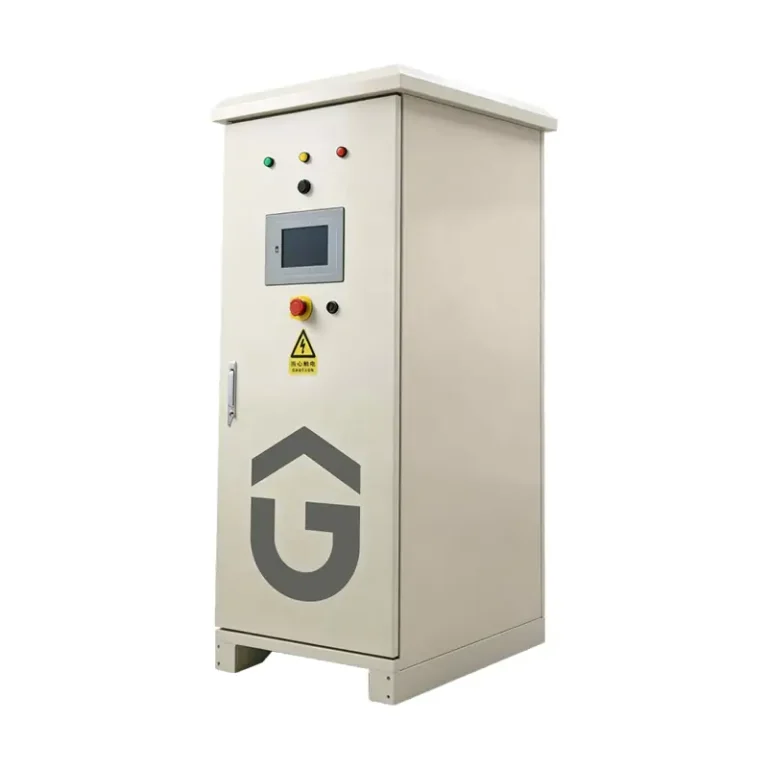
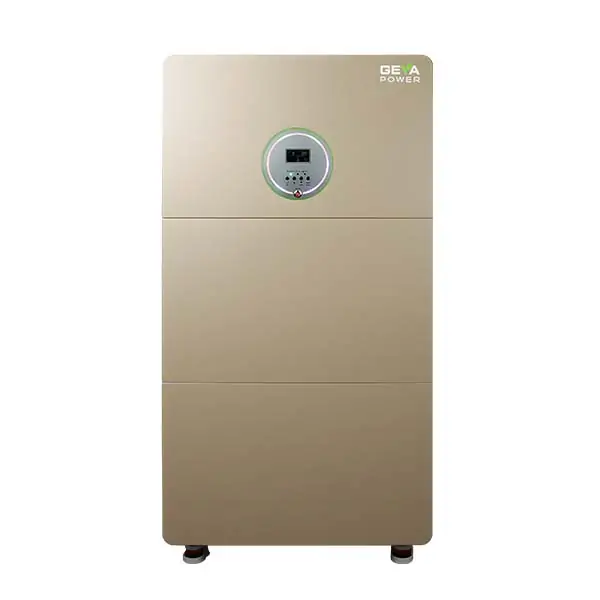
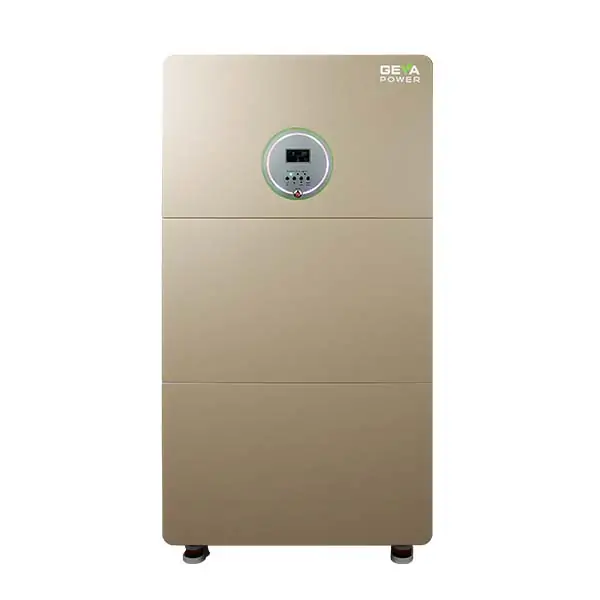
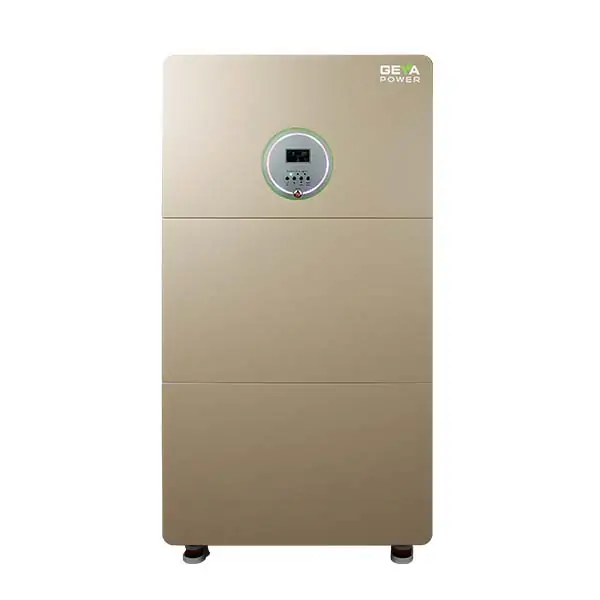
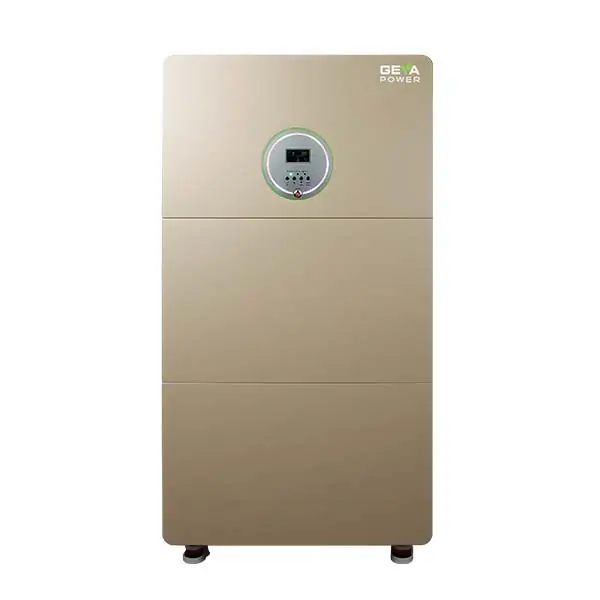
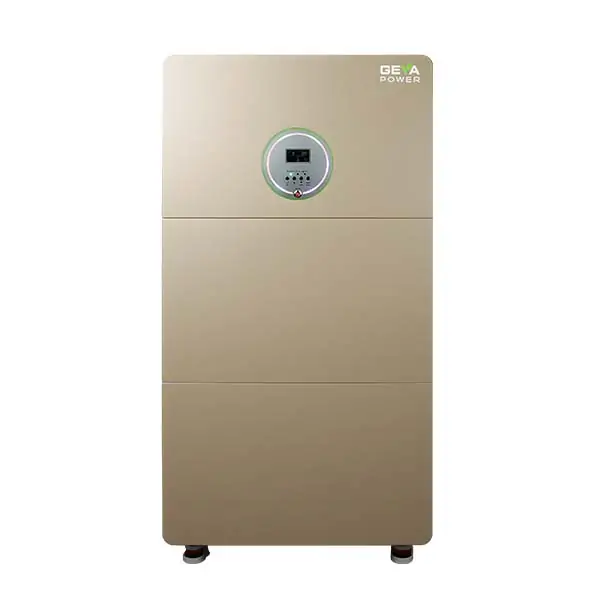
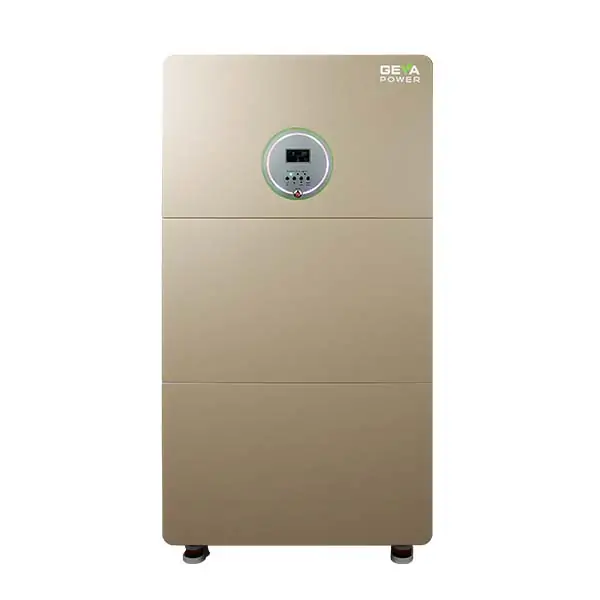
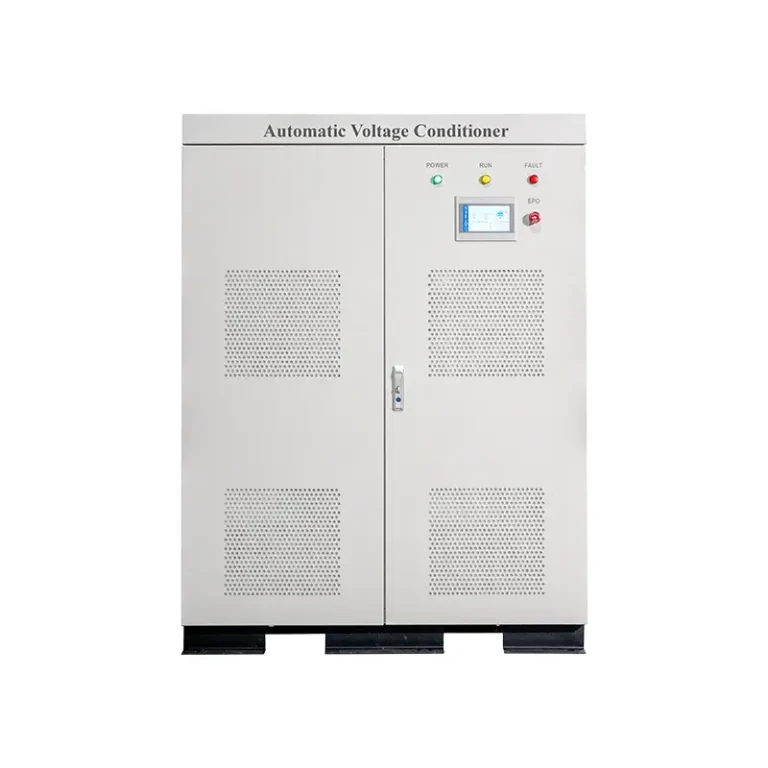
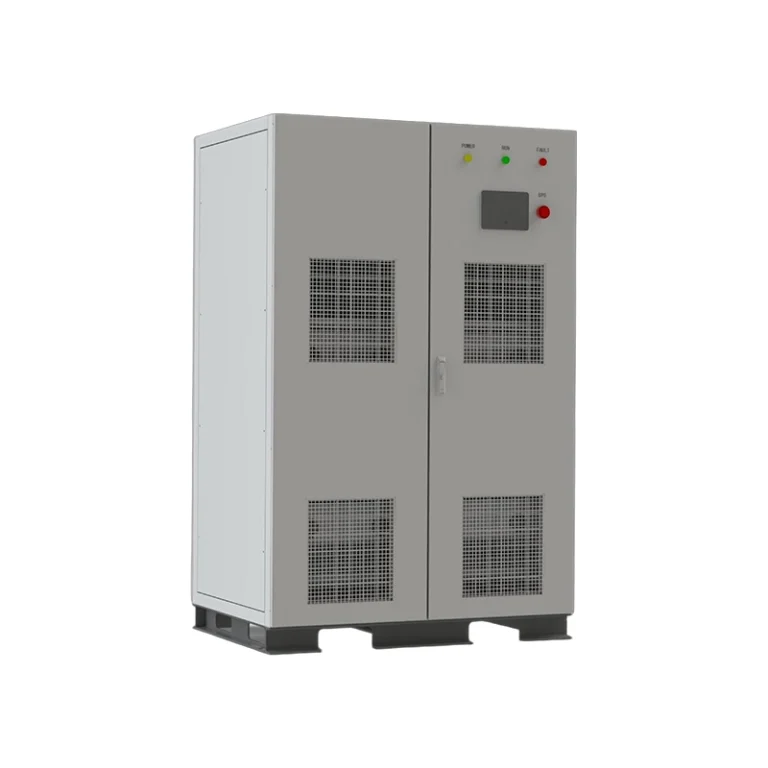
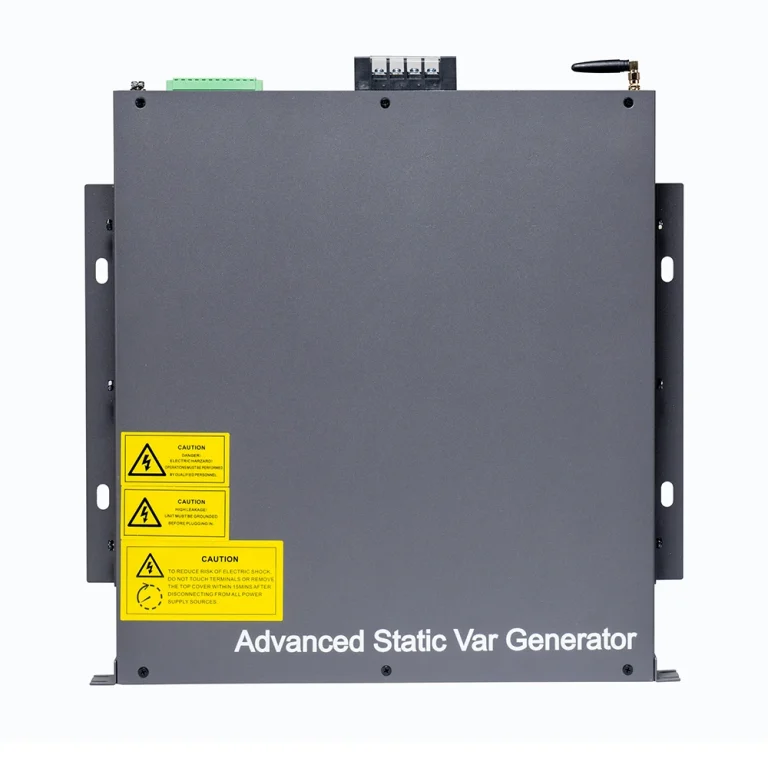
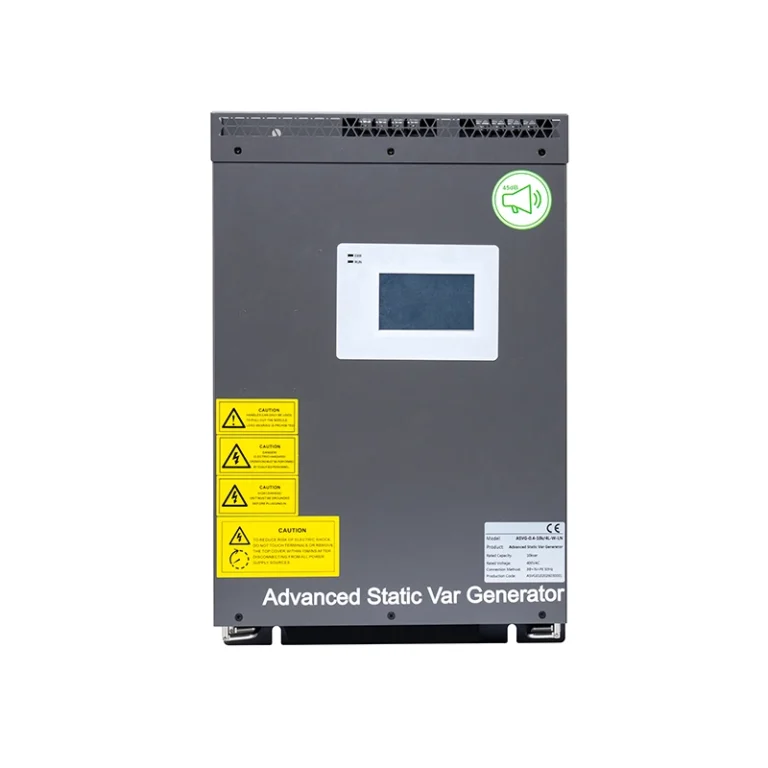
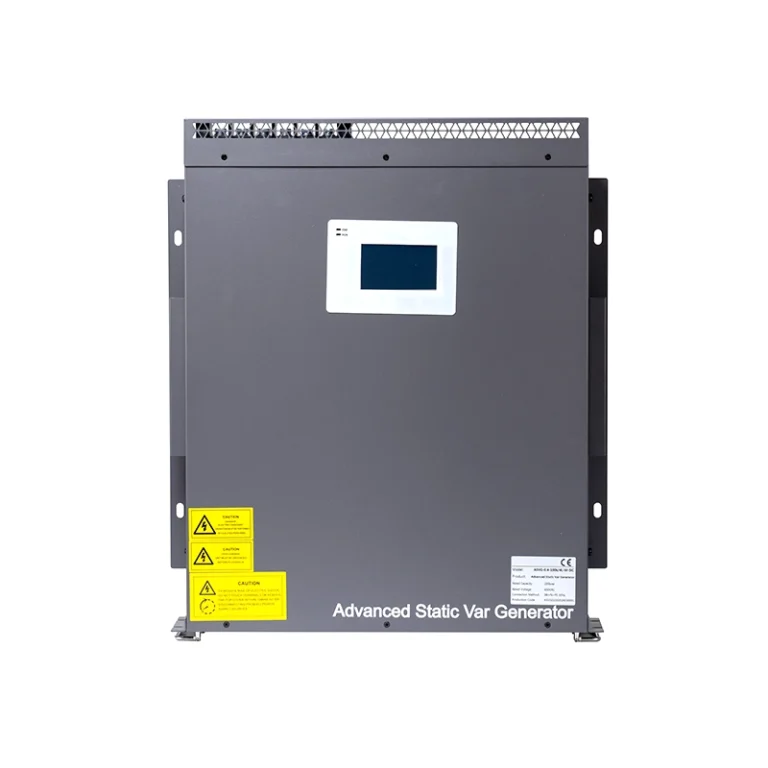
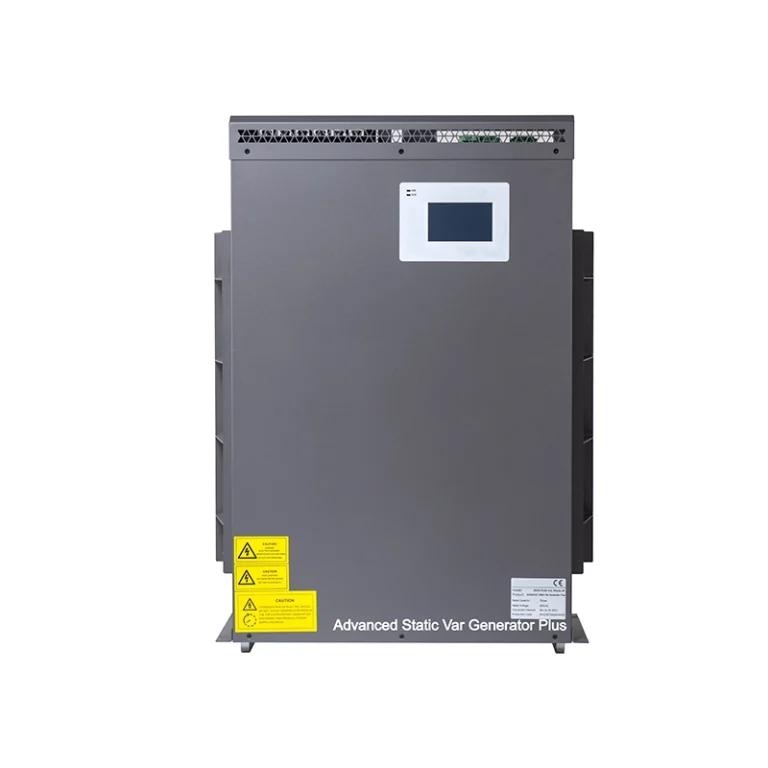
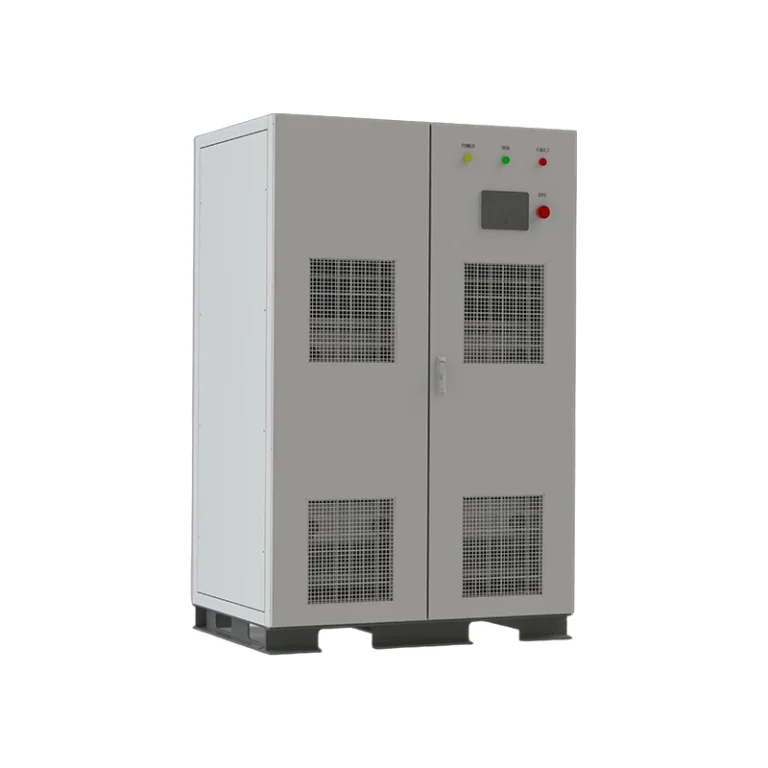
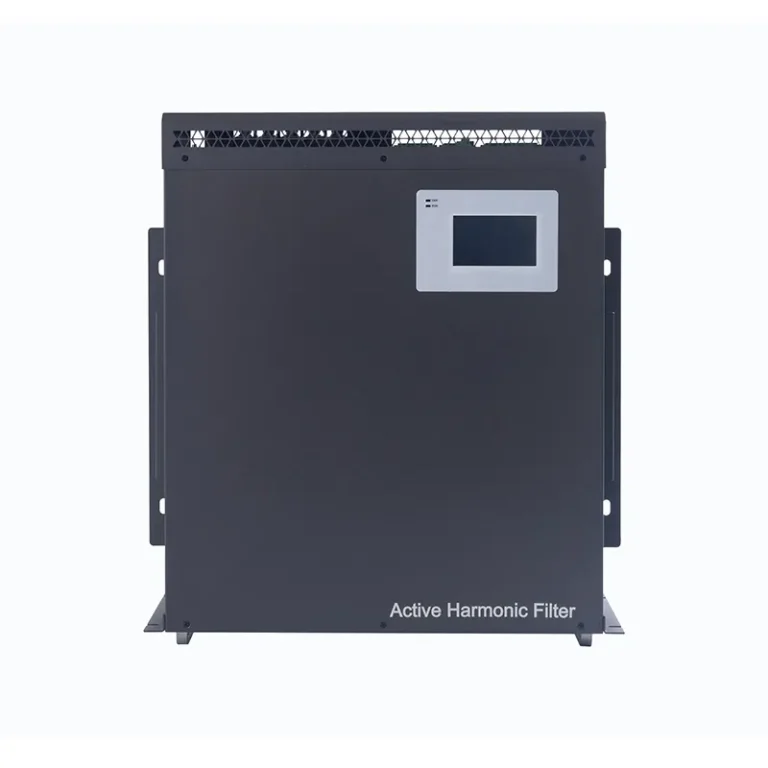
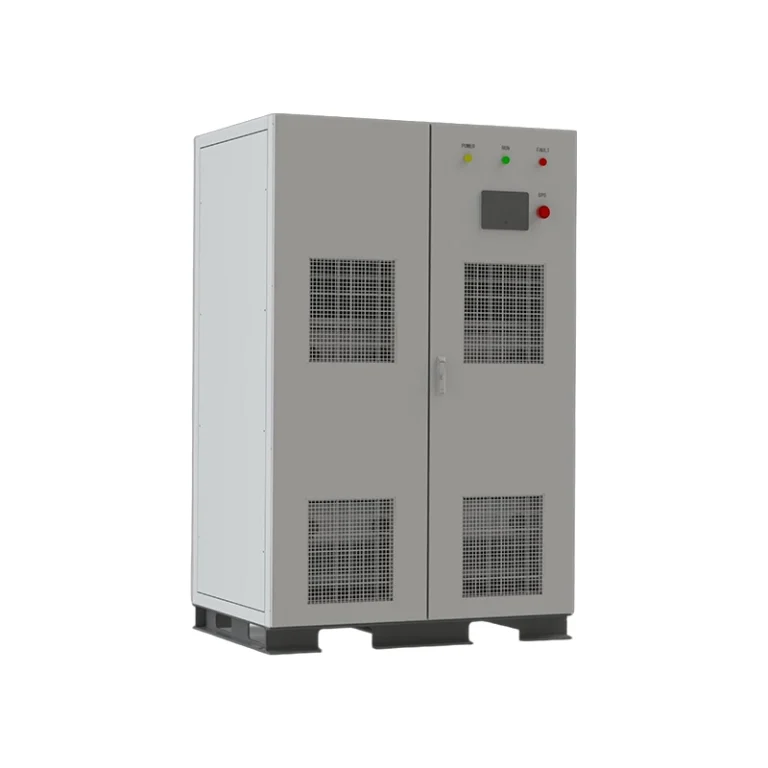
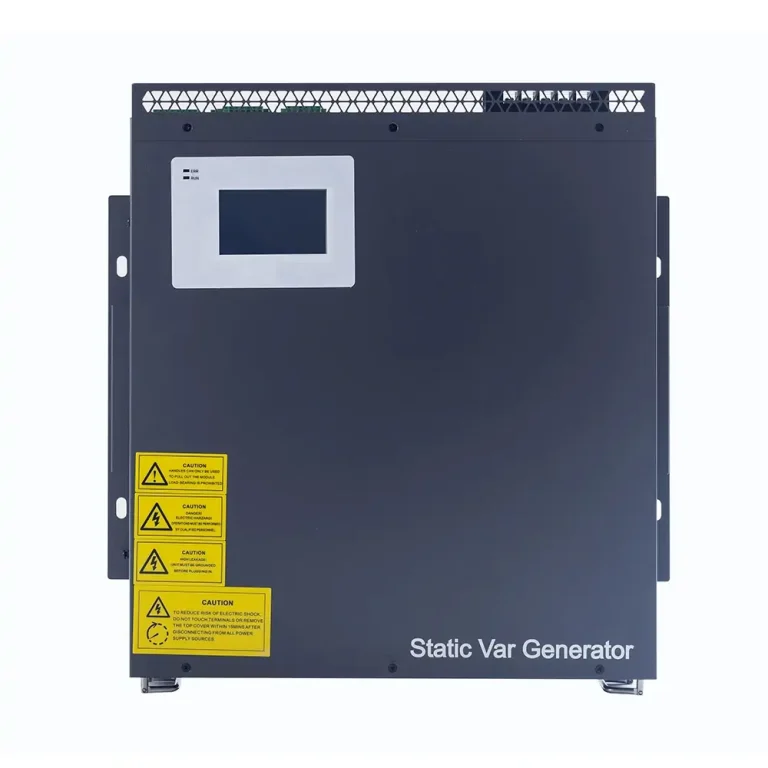





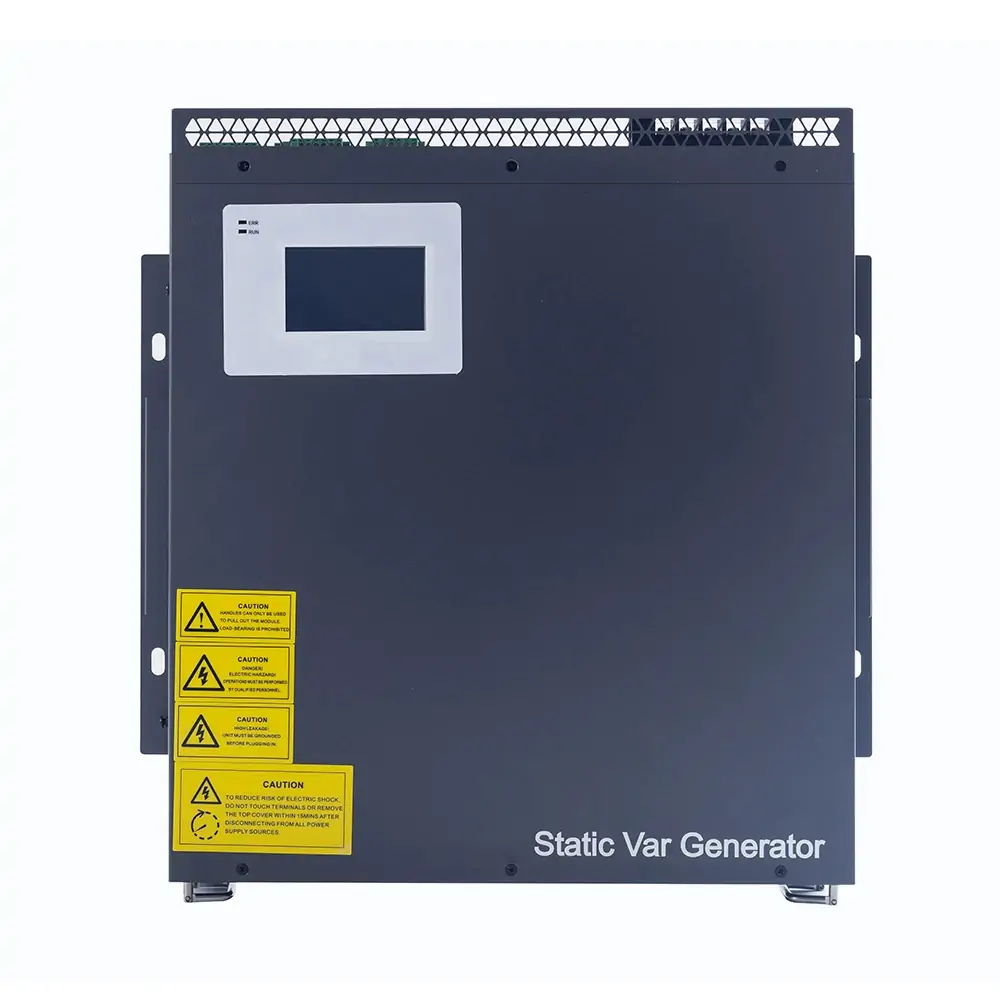
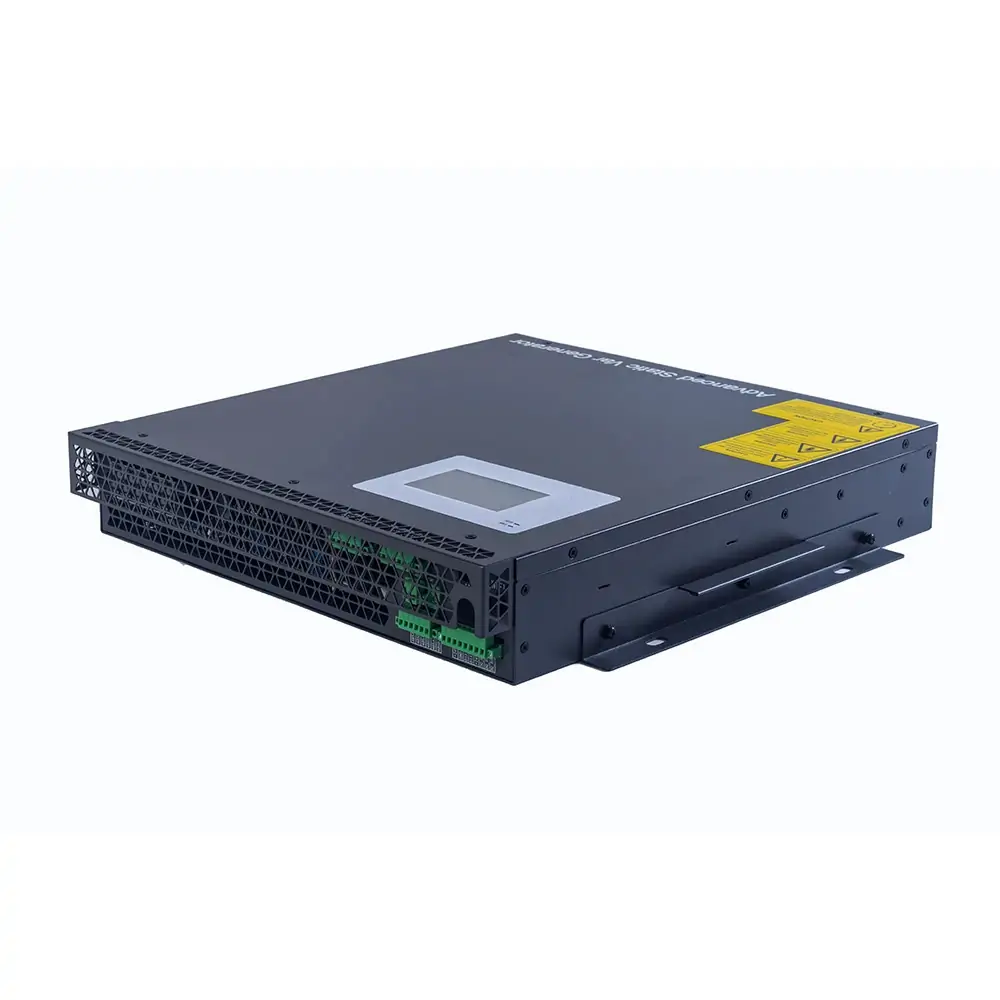
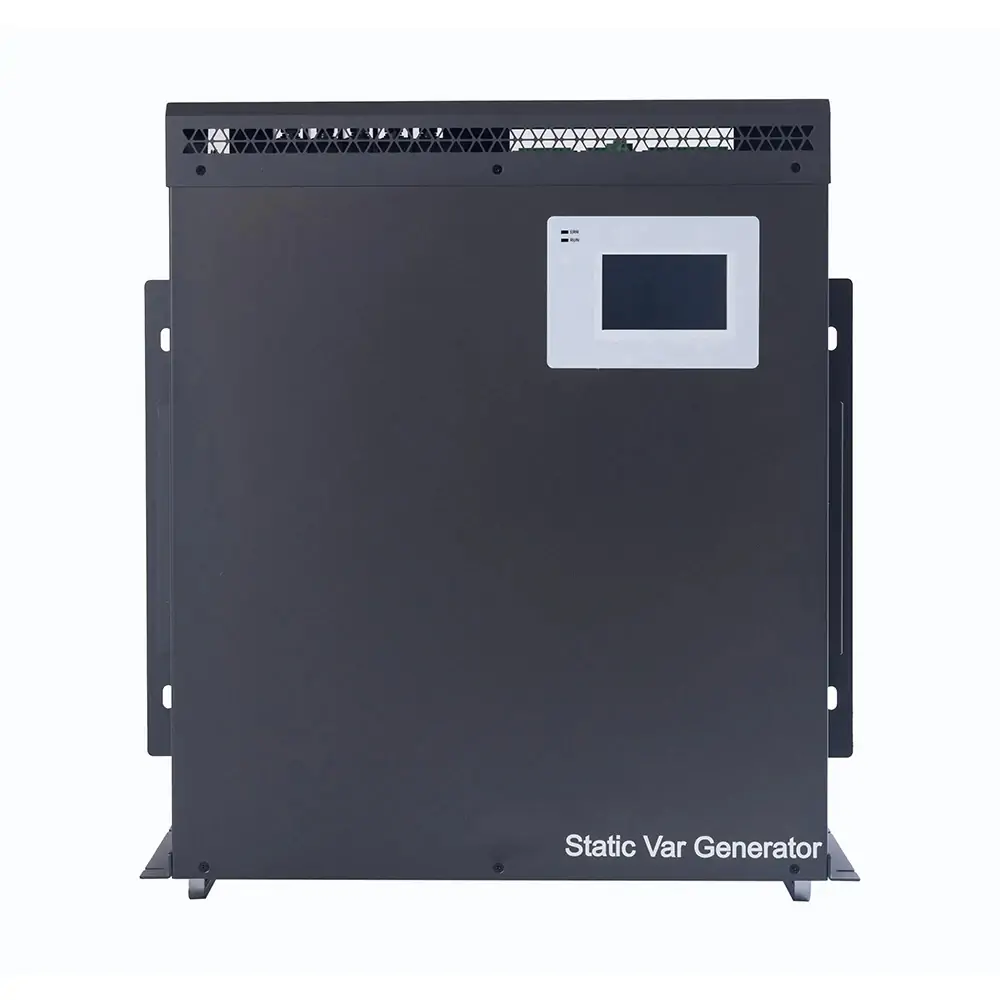
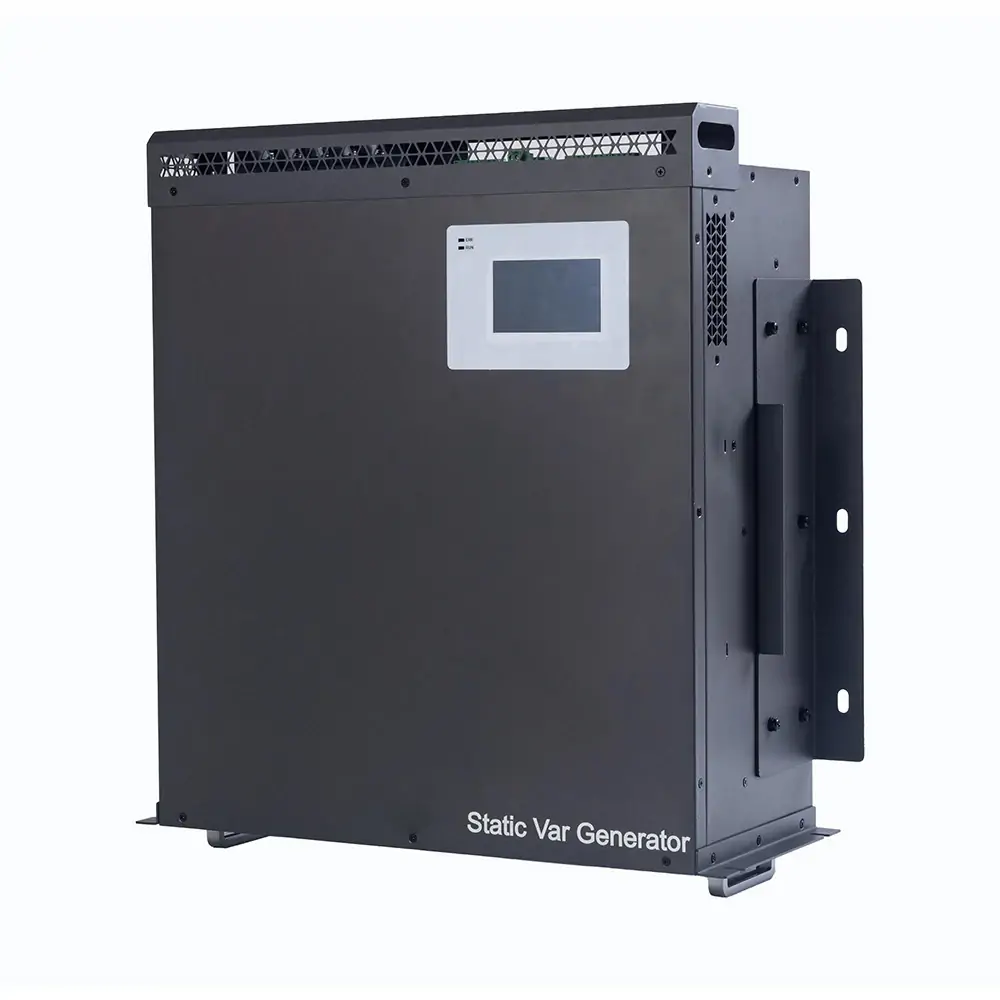
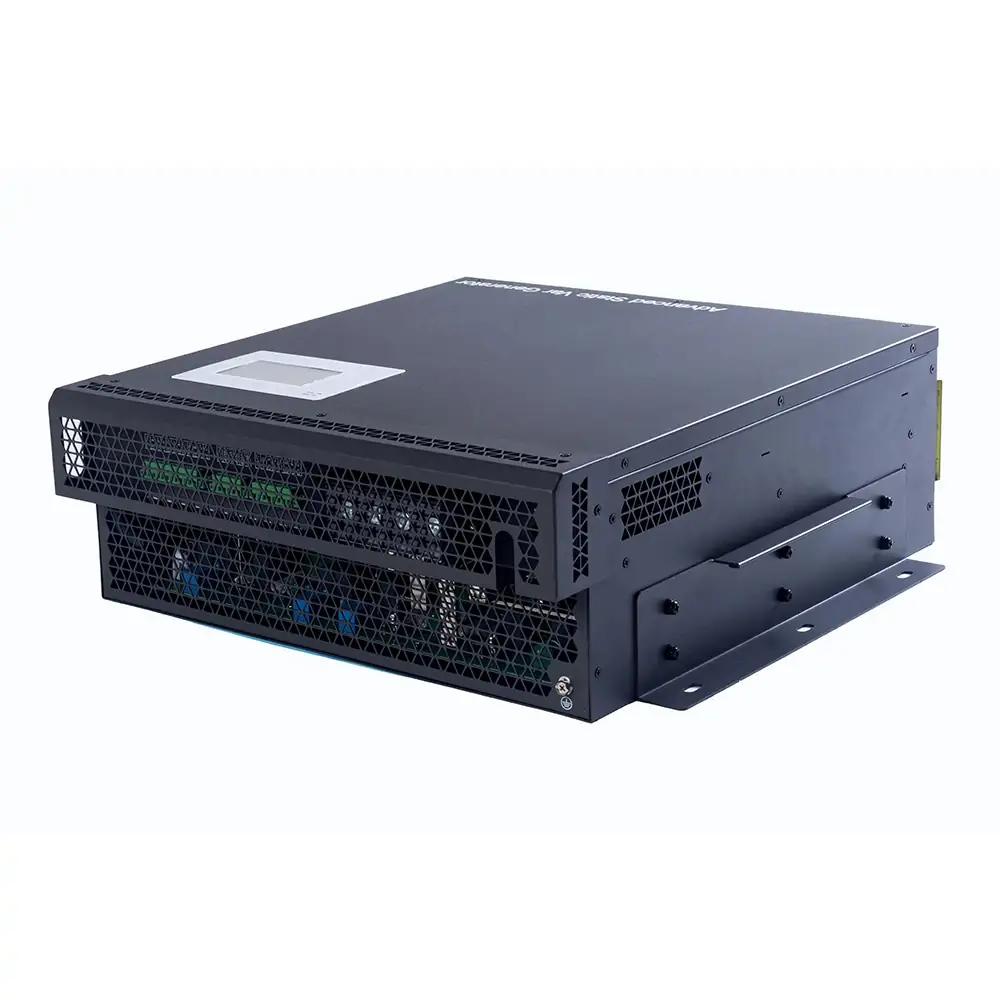
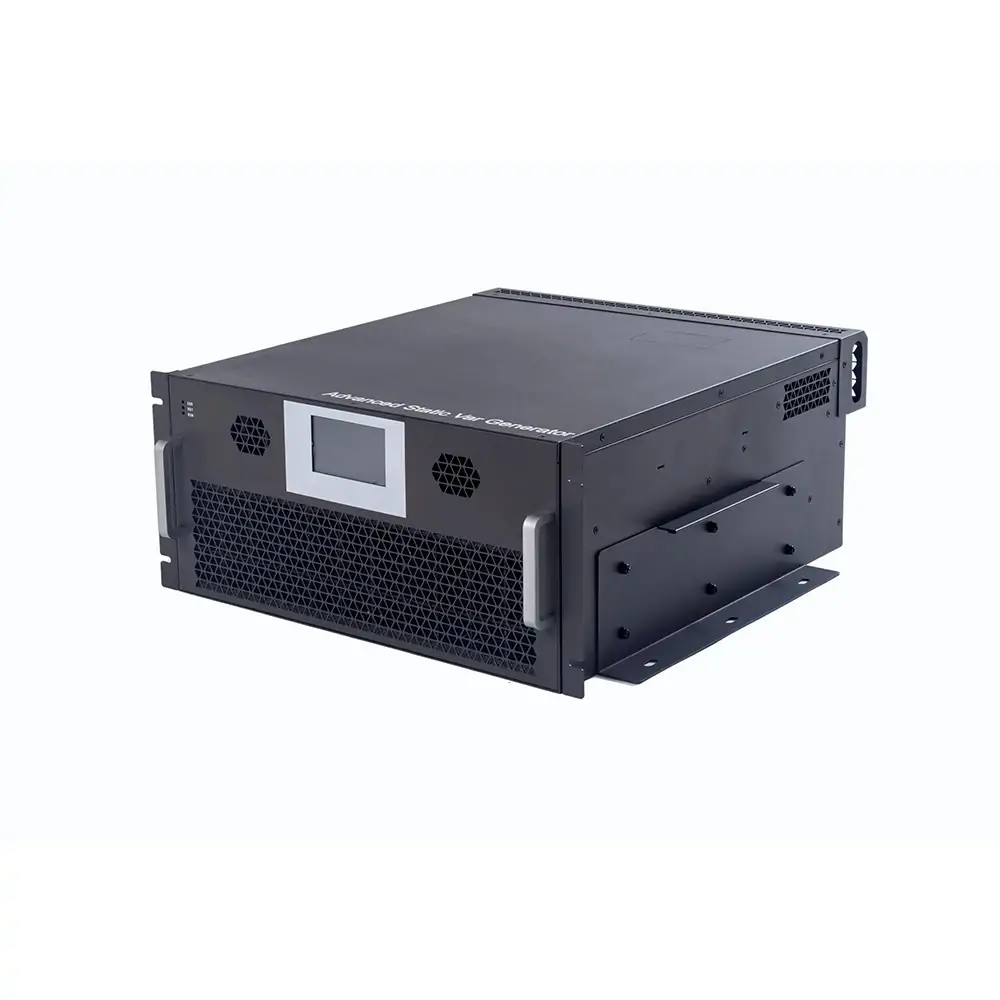


GY-SVG Static Var Generator
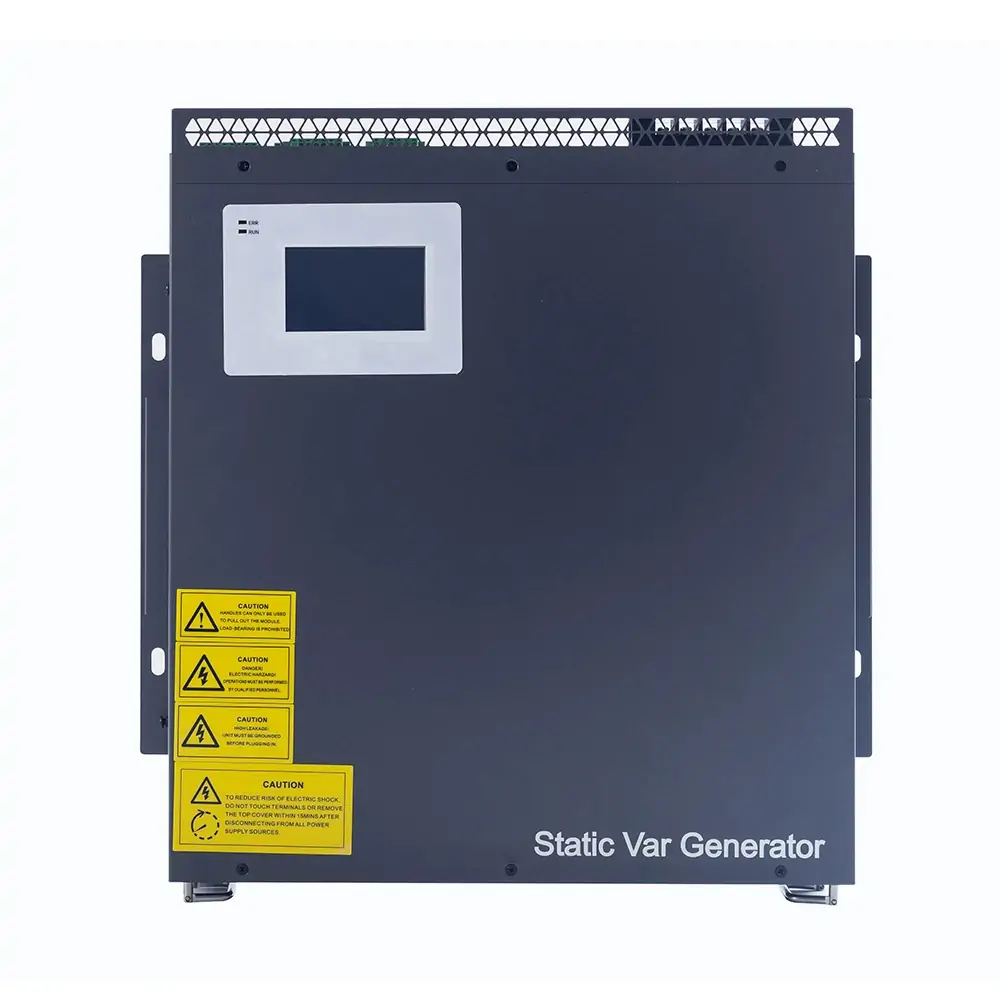
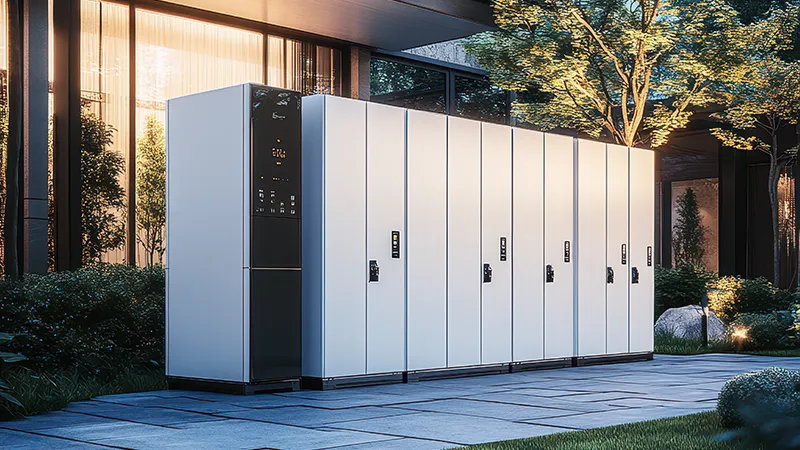
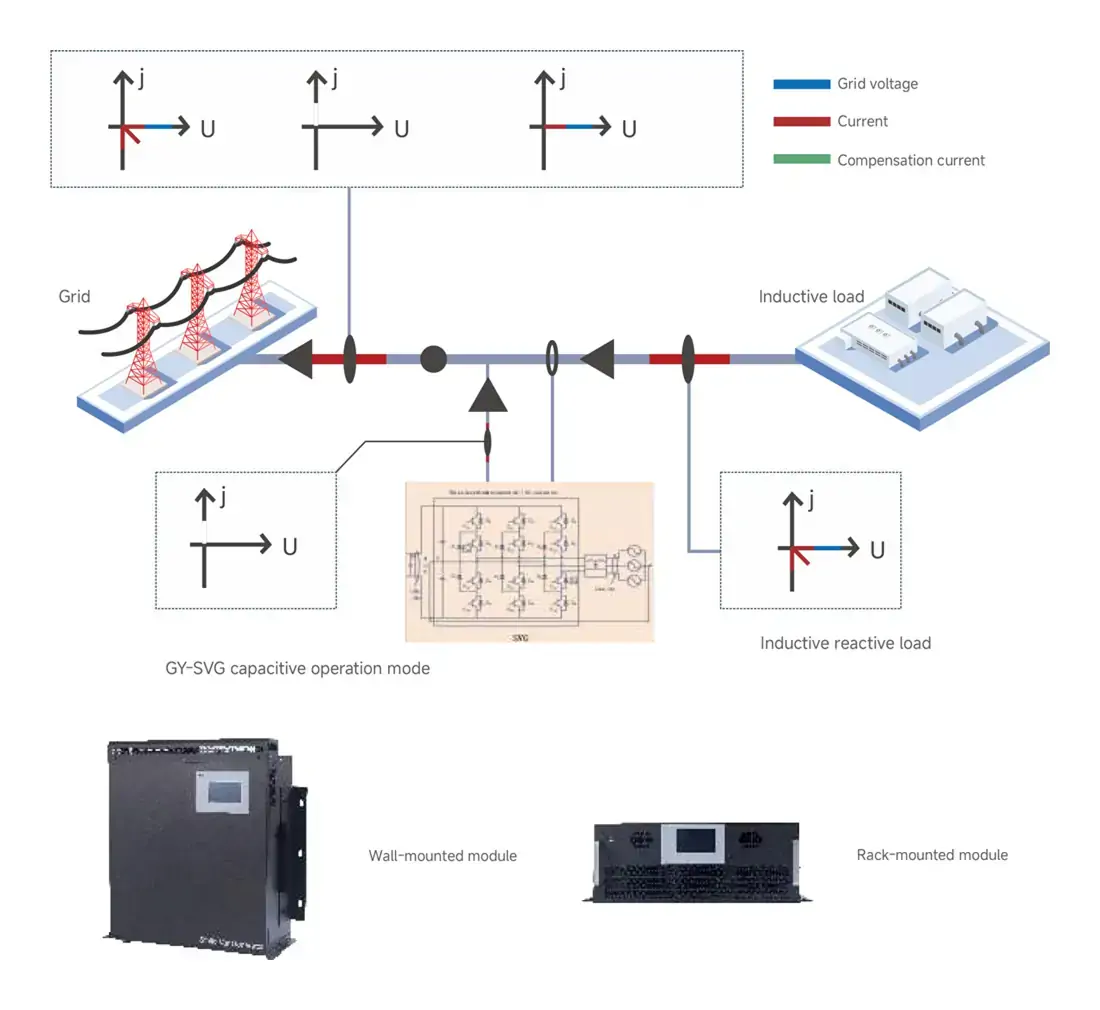
The GY-SVG Static Var Generator adopts advanced voltage source converter (VSC) technology and is connected to the power grid through a coupling reactor or filter in parallel. By detecting the reactive current and harmonic components of the load in real time, the SVG controller generates a compensation current with opposite phase through the converter, achieving dynamic and precise reactive power compensation.
By controlling the amplitude and phase angle of the converter output voltage, GY-SVG can quickly adjust the reactive current exchanged with the grid. The transient response time is less than 50 μs, and the complete compensation response time is less than 10 ms, effectively avoiding over-compensation and under-compensation while maintaining stable power quality.
The system supports continuous compensation of inductive and capacitive reactive power, improves power factor, reduces harmonic distortion and enhances voltage stability in industrial power networks.
◉ Supports dynamic reactive power compensation for inductive and capacitive loads
◉ Advanced VSC control technology – fast response and accurate compensation
◉ Transient response time less than 50μs, full response time less than 10ms
◉ Improves power factor and reduces reactive power losses in electrical systems
◉ Supports harmonic compensation and improves overall power quality
◉ Intelligent digital control system – real-time monitoring and automatic adjustment
◉ Modular design – flexible capacity expansion and easy maintenance
◉ High efficiency operation with low power consumption and reliable performance
◉ Suitable for industrial power systems, renewable energy applications, data centers and distribution networks
Product Features

Overview
Working Principle of Static Var Generator (GY-SVG):
The device connects a voltage source converter (VSC) to the power grid via a filter in parallel. By adjusting the amplitude and phase of the output voltage on the AC side of the converter, it dynamically and accurately compensates for reactive power in the grid system. The transient response time is less than 50 μs, and the full response time is less than 10 ms, thereby avoiding over-compensation and under-compensation.
Performance characteristics
1.DSP+CPLD full digital control core, three-level topology technology, advanced reactive power detection algorithm, and PWM control strategy.
2.Modular design, supports paralleling of multiple modules, small footprint, easy maintenance.
3.Independent air duct and independent board compartment structure design to ensure stable operation of the device.
4.Equipped with two external current sampling channels, supporting various compensation modes such as low-voltage side sampling with low-voltage side compensation, high-voltage side sampling with low-voltage side compensation, and reactive component compensation.
5.Supports selectable compensation modes: reactive power compensation, or reactive power compensation + three-phase unbalance compensation.
6.Reactive power compensation capability: compensation rate ≥ 99%.
7.Unbalance compensation capability: unbalance degree after compensation ≤ 5%.
8.Dynamic response speed to load is millisecond level, enabling dynamic and accurate compensation for impact reactive power loads.
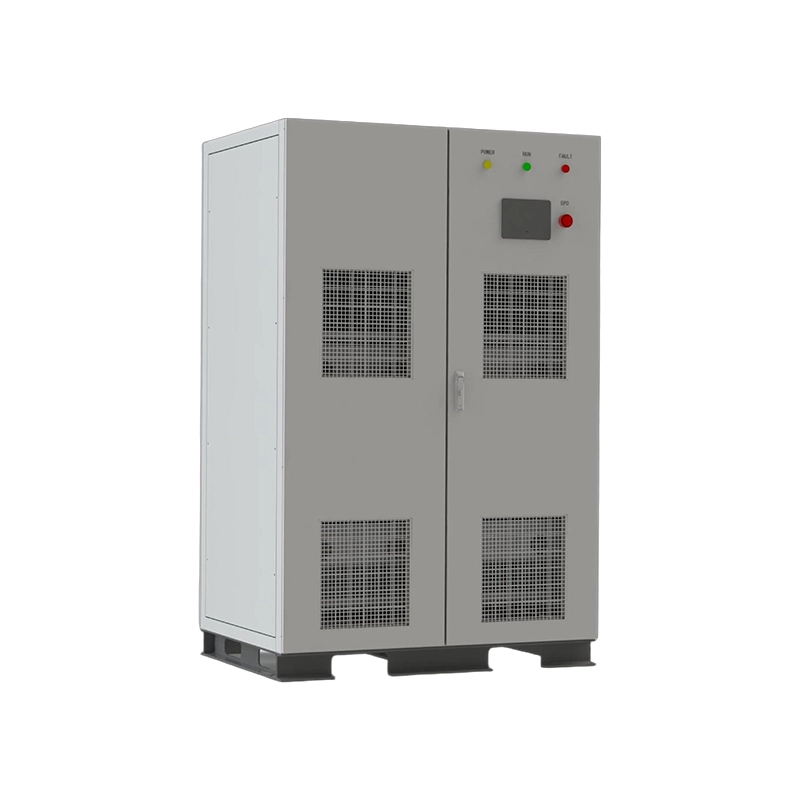
Technical Parameter
| Model | 220V | 220V | 380V | 500V | 690V | 800V | |
| Altitude | <2000m; above 2000m, capacity derating according to GB/T 38592 | ||||||
| Ambient temperature | -10 ~ +50℃ (above 40 ℃, capacity derating ≤30%) | ||||||
| Relative humidity | ≤90%, no condensation on the surface at a monthly minimum temperature of 25 ℃ | ||||||
| Pollution degree | Pollution degree ≤ Class III | ||||||
| Operating voltage | AC220V (-20%~+20%) | AC220V (-20%~+20%) | AC380V (-20%~+20%) | AC500V (-20%~+20%) | AC690V (-20%~+15%) | AC800V (-20%~850V Max) | |
| Operating frequency | 50Hz/60Hz (45Hz~63Hz) | ||||||
| Rated compensation capacity | 5Kvar | 3/5/7/ 10/17/25/ 37/50/ 75Kvar |
5/10/15/ 20/35/50/ 75/100/ 150Kvar |
90Kvar | 120Kvar | 150Kvar | |
| Grid configuration | L/N | Three‑phase three‑wire, Three‑phase four‑wire | Three‑phase three‑wire | ||||
| Number of parallel units | No restrictions | ||||||
| Overall efficiency | ≥97% | ||||||
| Switching frequency | 16kHz | 12.8kHz | |||||
| Function selection | Reactive power compensation | Reactive power compensation, Reactive power compensation+Three‑phase unbalance compensation Rated overload 1.2 times for 60 seconds |
Reactive power compensation | ||||
| Reactive compensation rate | Reactive power compensation ≥99% | ||||||
| Unbalance compensation capability | Unbalance degree after compensation ≤5% | ||||||
| Full response time | < 10ms | ||||||
| Noise level | ≤60dB | ≤65dB | |||||
| Communication method | 2 RS485 communication interfaces (Wi‑Fi supported) | ||||||
| Protection functions | Overload, Soft/hardware overcurrent, grid over‑undervoltage, power supply failure, overtemperature, frequency anomaly, etc. | Overload, soft/hardware overcurrent, grid over‑undervoltage, grid voltage imbalance, power supply failure, overtemperature, frequency anomaly, short‑circuit protection, etc. | |||||
| Overload capability | Rated overload 1.2 times for 60 seconds | ||||||
| Installation method | Rack‑mount / Wall‑mount | ||||||
| Cable entry | Rear entry (Rack‑mount), Top entry (Wall‑mount) | ||||||
| Protection rating | IP20 (IP54 available on request / customizable) | ||||||
User Manual
Related Products
Related News
Power Quality Management: Complete Guide to Improving Electrical Power Quality In today’s rapidly evolving energy landscape, Power Quality Management has […]