

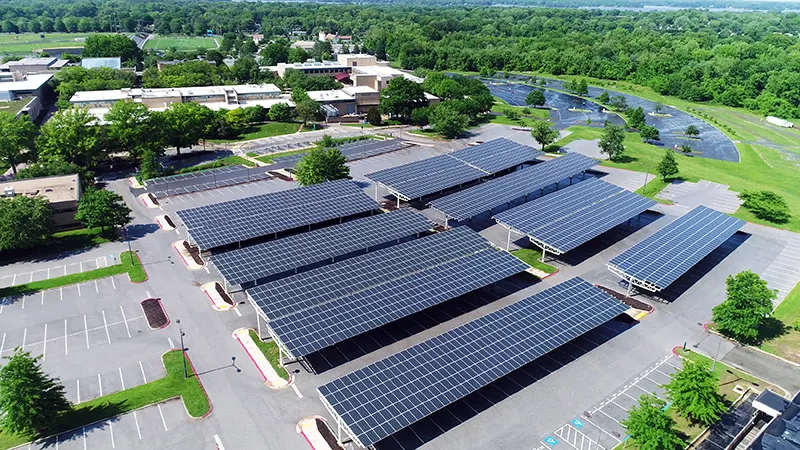

For U.S. industrial facilities and commercial buildings, electricity is more than a source of power. Its stability, waveform quality, and compatibility with connected equipment directly affect operational reliability, maintenance costs, and energy efficiency.
A brief voltage disturbance can interrupt sensitive equipment, while harmonic distortion and excessive reactive current can increase electrical losses and place additional stress on transformers, cables, and other distribution equipment.
The good news is that many power quality problems can be identified through measurement and addressed with properly selected compensation and voltage regulation technologies.
1. Why Power Quality Matters in Industrial and Commercial Facilities
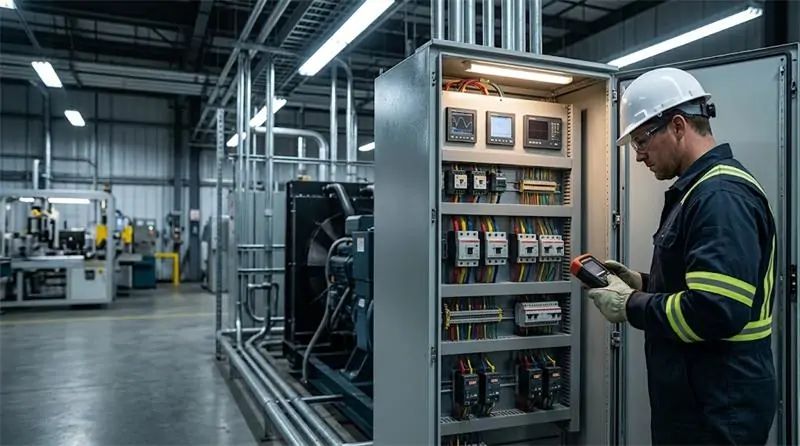
Modern facilities rely on variable frequency drives (VFDs), programmable logic controllers (PLCs), uninterruptible power supplies (UPS), LED lighting, electronic control systems, and other power-electronic equipment.
These technologies improve productivity and control, but some also introduce electrical disturbances or become sensitive to changes in the supply voltage.
Three consequences deserve particular attention:
- Unexpected downtime: Voltage sags or disturbances may trip sensitive equipment, interrupt production, and require time-consuming restart procedures.
- Higher operating costs: Harmonic currents and excessive reactive current can increase losses and reduce the usable capacity of electrical infrastructure.
- Equipment stress: Distorted current waveforms, overheating, and poor load distribution can contribute to premature component failure.
For example, a voltage sag lasting only a fraction of a second may be enough to trip a sensitive manufacturing controller. Whether the event actually causes a shutdown depends on the depth and duration of the sag, equipment ride-through capability, and protection settings.
Similarly, a commercial building with hundreds of computers, LED drivers, servers, and variable-speed HVAC systems may experience harmonic distortion that is not immediately visible but becomes apparent during an electrical assessment.
The first step is not to purchase equipment. It is to determine what is happening in the electrical system, when it happens, and which loads are affected.
2. Common Power Quality Problems: Factories vs. Commercial Buildings
2.1 Voltage Sags in Industrial Manufacturing
A voltage sag is a temporary reduction in RMS voltage. It may result from utility-side faults, large motor starting, transformer energization, or sudden changes in industrial loads.
In manufacturing environments, voltage sags can affect PLCs, contactors, robotic systems, CNC machines, semiconductor processing tools, and other sensitive equipment.
The resulting losses are not limited to the momentary disturbance. A production line may need to be reset, work-in-process inspected, and equipment restarted before normal operation resumes.
Recommended approach: Record voltage events, identify the affected circuits, and compare the measured sag profile with equipment immunity and ride-through requirements. Critical loads may need dedicated voltage regulation, ride-through support, or a suitably engineered UPS system.
2.2 Harmonic Distortion from Nonlinear Loads
Variable frequency drives, rectifiers, welding equipment, UPS systems, and switching power supplies can draw nonsinusoidal current. These currents introduce harmonics into the electrical distribution system.
Excessive harmonic distortion may increase transformer and cable heating, interfere with sensitive equipment, contribute to capacitor-bank problems, and reduce overall electrical system performance.
Harmonic problems should be assessed using measurements such as total harmonic distortion of current (THDi) and voltage (THDv), together with individual harmonic orders and the facility’s operating load.
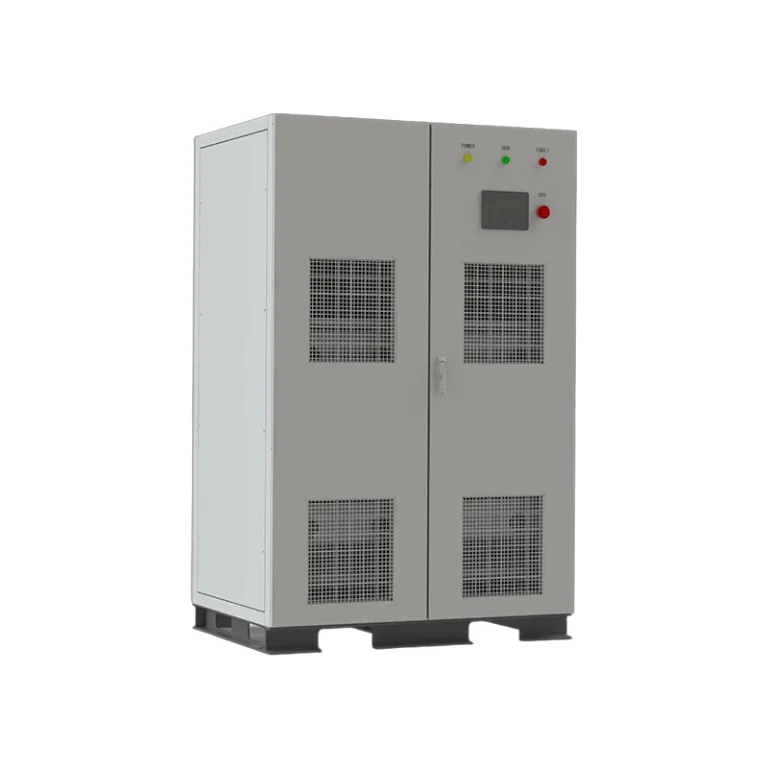
Recommended approach: Consider an Active Harmonic Filter (AHF) when measurements confirm that harmonic current mitigation is required.
Explore GEYA Active Harmonic Filter (AHF) Solutions
2.3 Low Power Factor and Reactive Power Demand
Industrial motors, pumps, compressors, transformers, and HVAC equipment can require substantial reactive power. When reactive demand is not properly managed, the facility may draw more current than necessary for its useful active power consumption.
This can increase distribution losses, consume transformer and feeder capacity, and contribute to voltage regulation problems.
Some U.S. utilities apply power factor requirements, demand-related provisions, or other tariff mechanisms to qualifying commercial and industrial customers. However, the applicable charges depend on the utility, rate schedule, demand profile, and service agreement.
Recommended approach: Review the electricity tariff and interval-meter data, measure power factor under representative operating conditions, and evaluate dynamic reactive power compensation where appropriate.
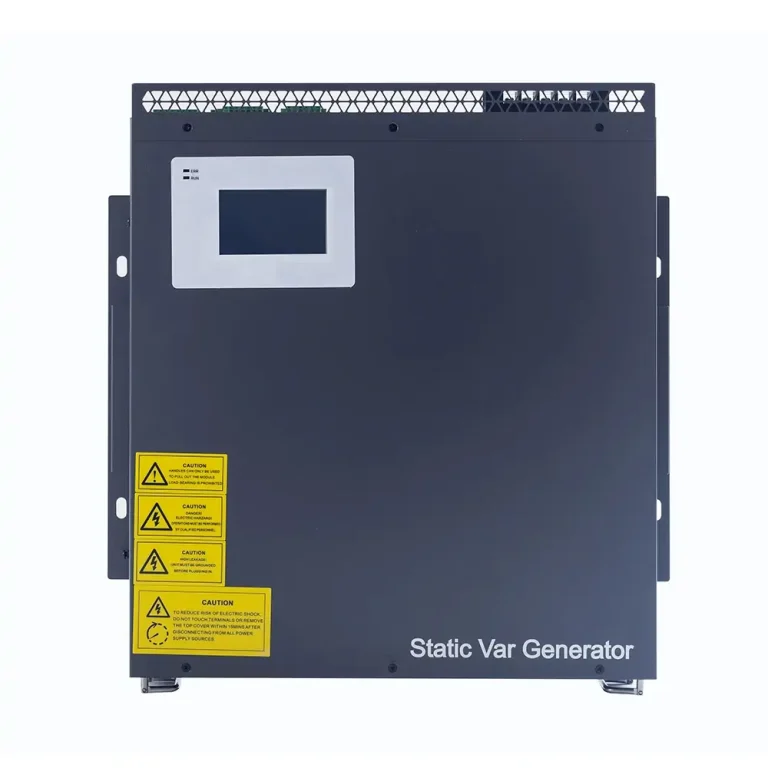
Explore GEYA Static Var Generator (SVG) Solutions
2.4 Harmonics and Neutral Conductor Heating in Commercial Buildings
Office buildings, hospitals, hotels, and data centers often contain large numbers of single-phase electronic loads, including computers, LED drivers, servers, and power supplies.
In three-phase, four-wire systems, certain triplen harmonics—particularly the third harmonic and its odd multiples—can add together in the neutral conductor instead of canceling as balanced fundamental-frequency currents would.
Depending on the load profile and installation, excessive neutral current can cause overheating and increase the risk of equipment damage.
Recommended approach: Measure neutral current, inspect conductor and transformer loading, assess harmonic distribution, and evaluate appropriate neutral-rated conductors, load balancing, or filtering solutions.
An Active Harmonic Filter or an advanced solution with suitable neutral-current compensation capability may help address the problem. The correct design depends on the system configuration and measured harmonic spectrum.
3. Choosing the Right Power Quality Management Solution
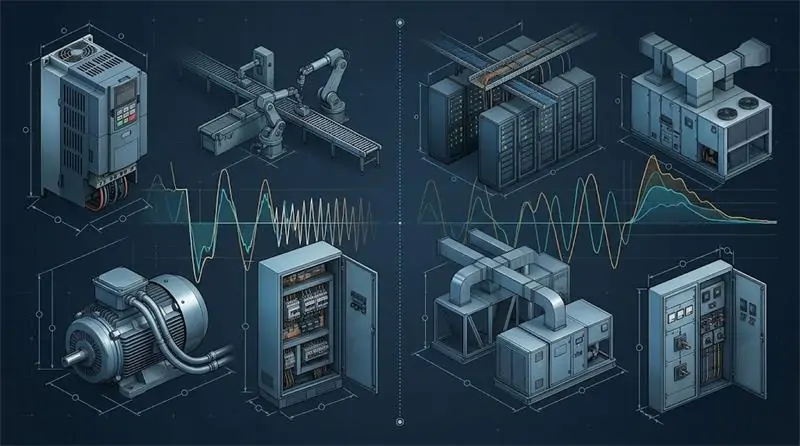
Different electrical problems require different technologies. Installing a filter will not automatically correct every voltage disturbance, and improving power factor will not necessarily eliminate harmonic distortion.
The following technologies address different aspects of power quality.
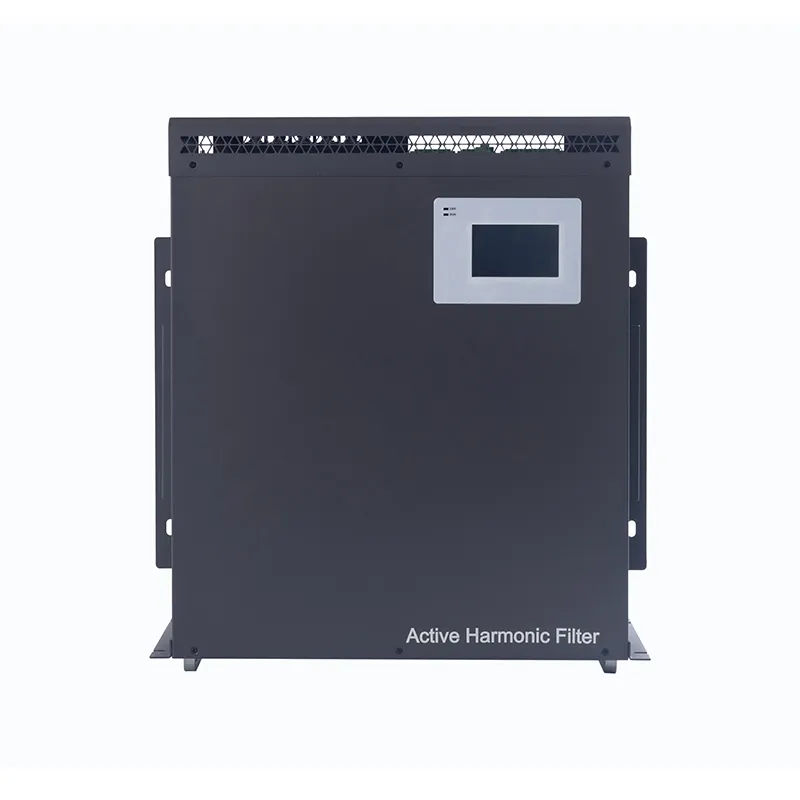
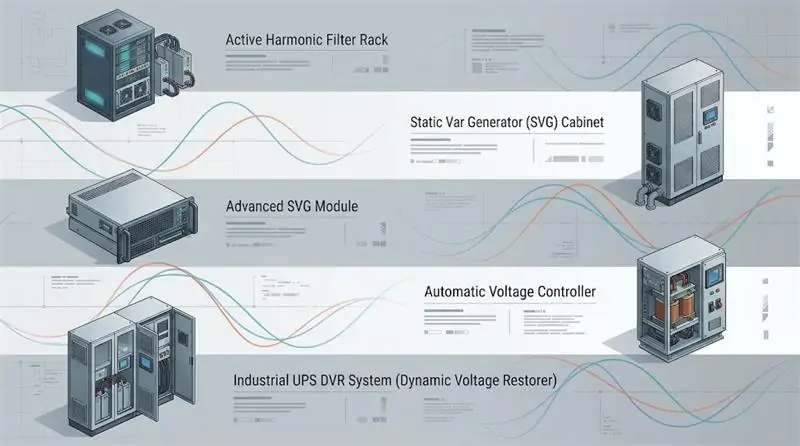
3.1 Active Harmonic Filter (AHF): Reduce Harmonic Currents
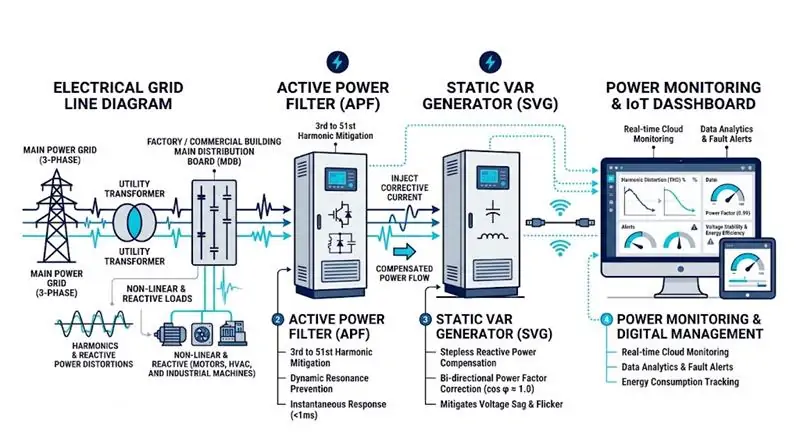
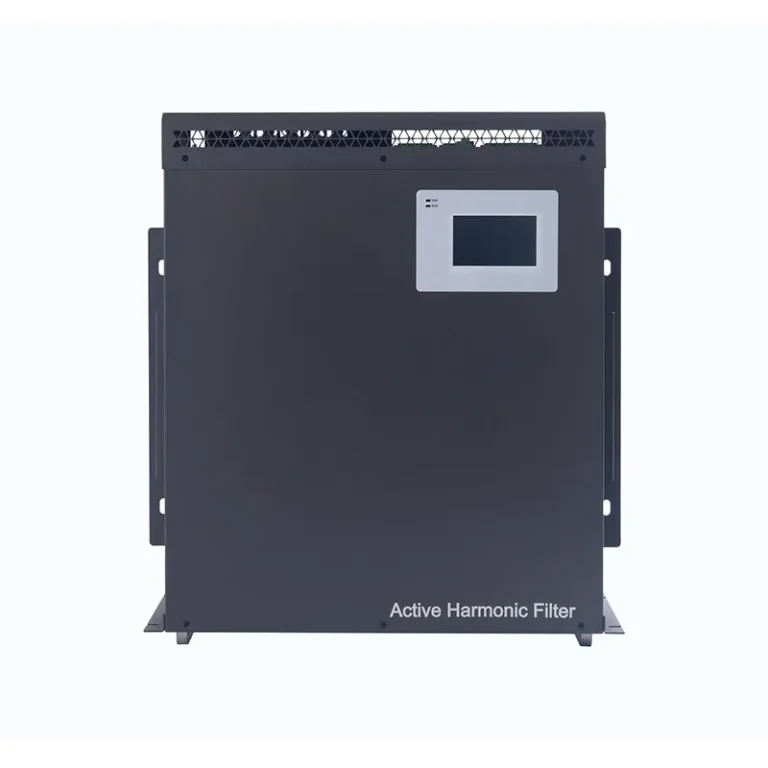
An Active Harmonic Filter measures load current and injects a compensating current to reduce selected harmonic components.
Compared with a conventional passive filter designed around specific frequencies, an active filter can adapt to changing load conditions within its rated compensation capacity.
AHF solutions are worth evaluating in facilities with significant nonlinear loads, including VFD-driven machinery, UPS systems, rectifiers, and electronic power supplies.
Before selecting an AHF, engineers should evaluate the harmonic spectrum, load current, target distortion levels, installation point, and expected future expansion.
View AHF Products and Applications
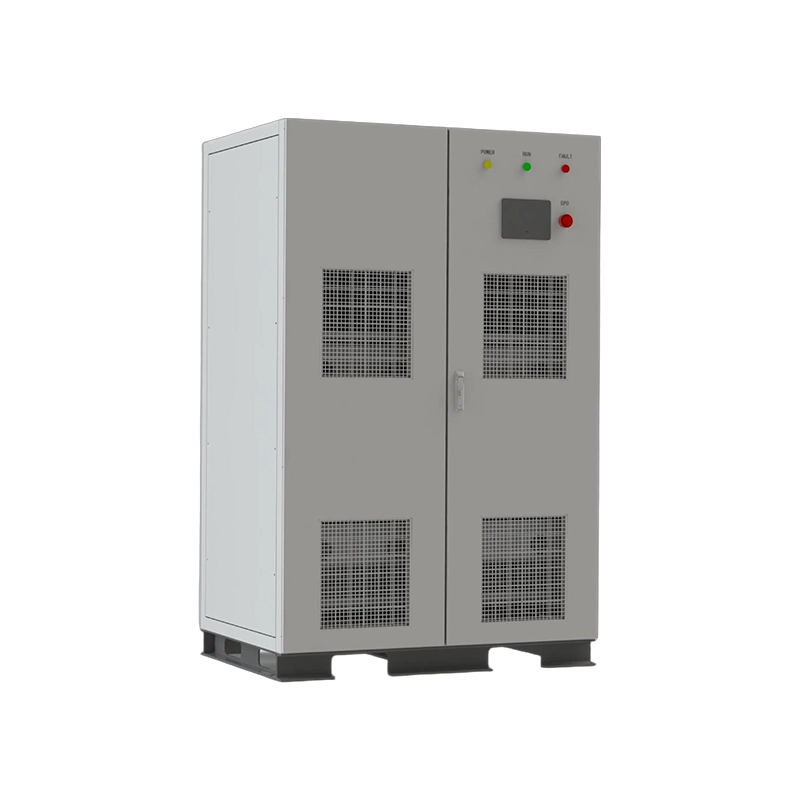
3.2 Static Var Generator (SVG): Dynamic Reactive Power Compensation
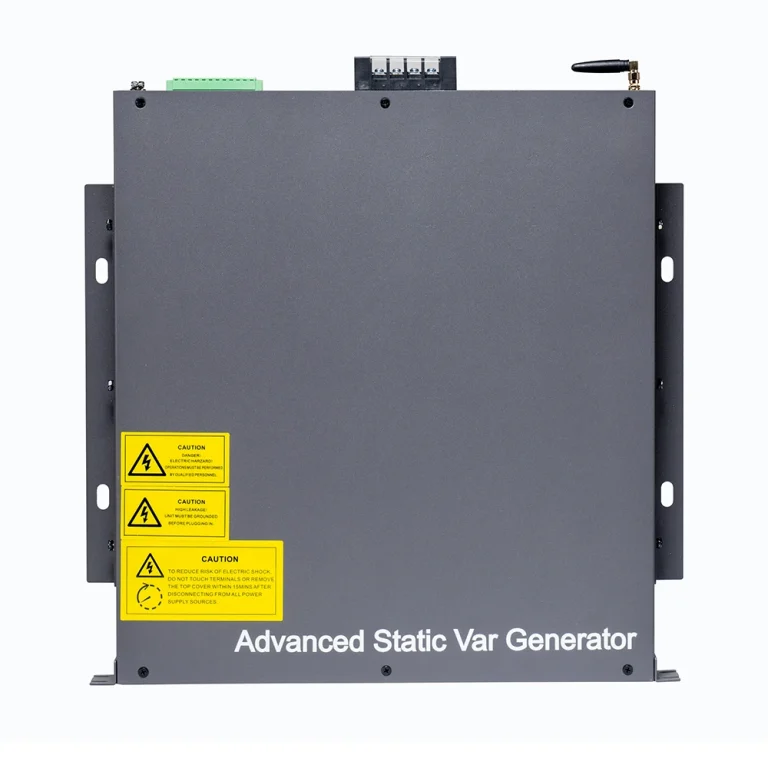
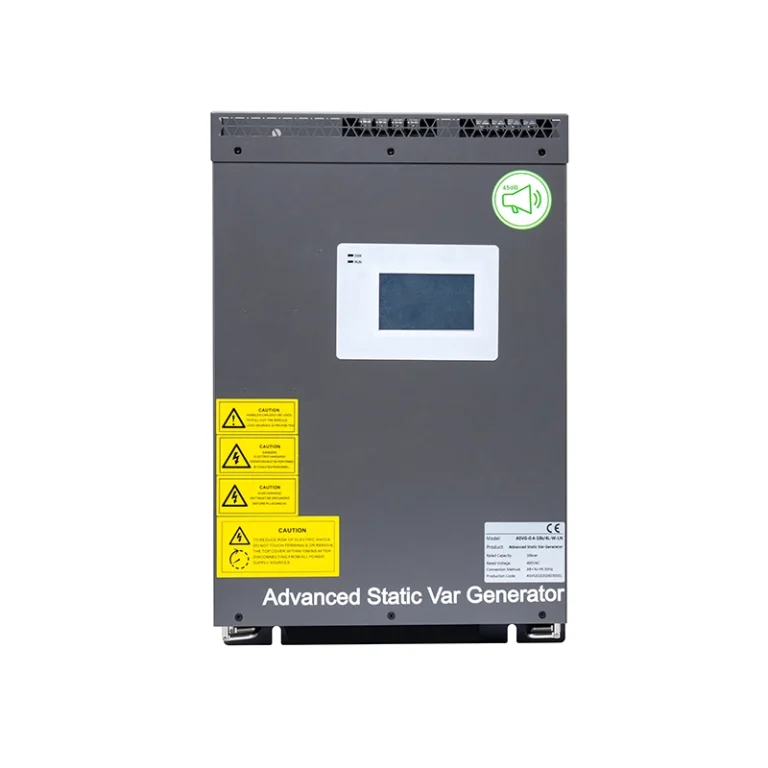
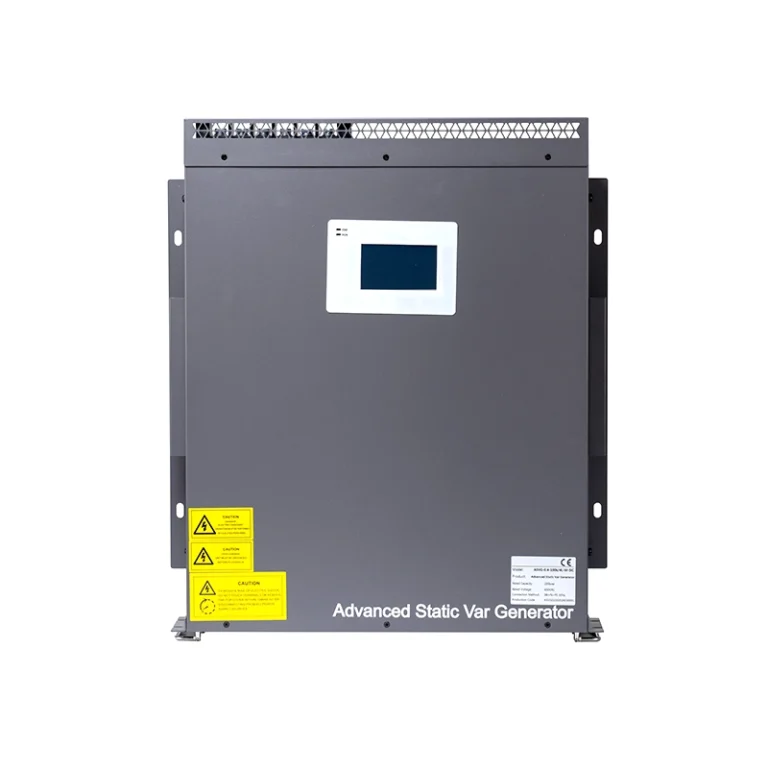
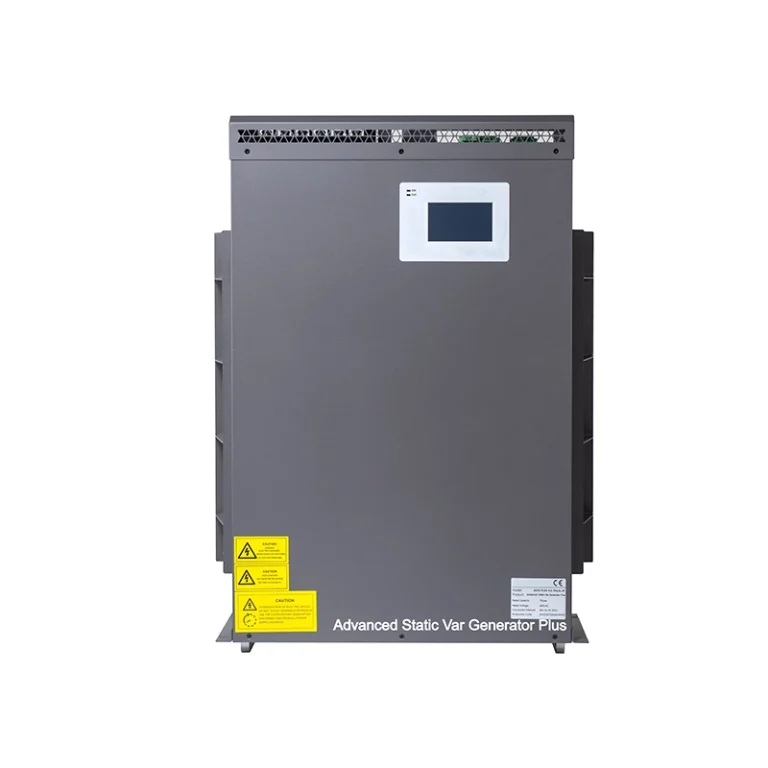
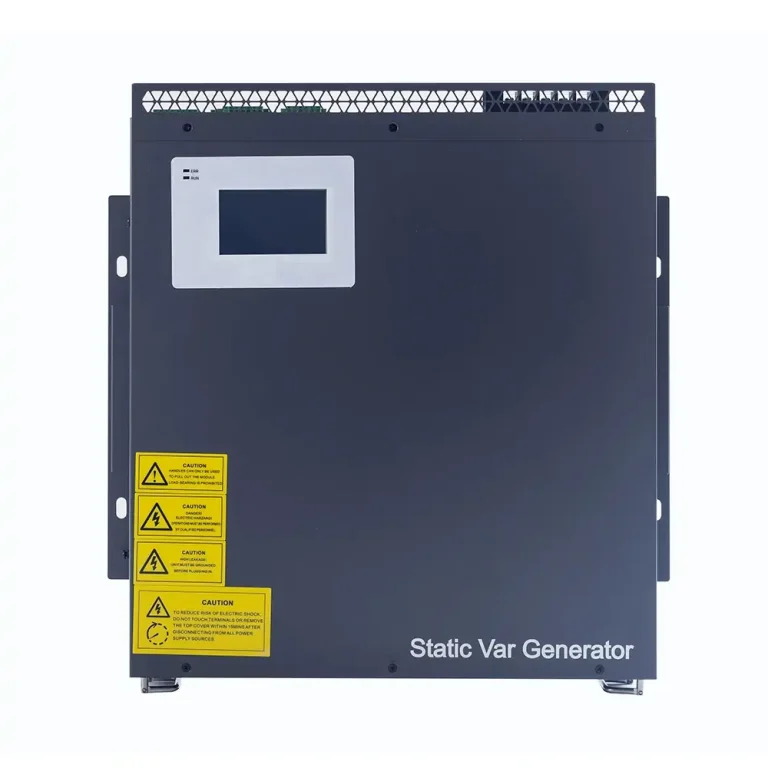
A Static Var Generator dynamically injects or absorbs reactive current to help maintain the desired power factor and support voltage performance.
Unlike conventional capacitor banks that typically switch discrete compensation stages, an SVG can adjust its output continuously within its operating range.
This can be valuable in facilities where motor loads, compressors, welding equipment, or production cycles cause rapid changes in reactive power demand.
An SVG can help reduce excessive reactive current and improve power factor, but it does not eliminate all utility charges. Customers must verify the applicable tariff and confirm the achieved performance using post-installation measurements.
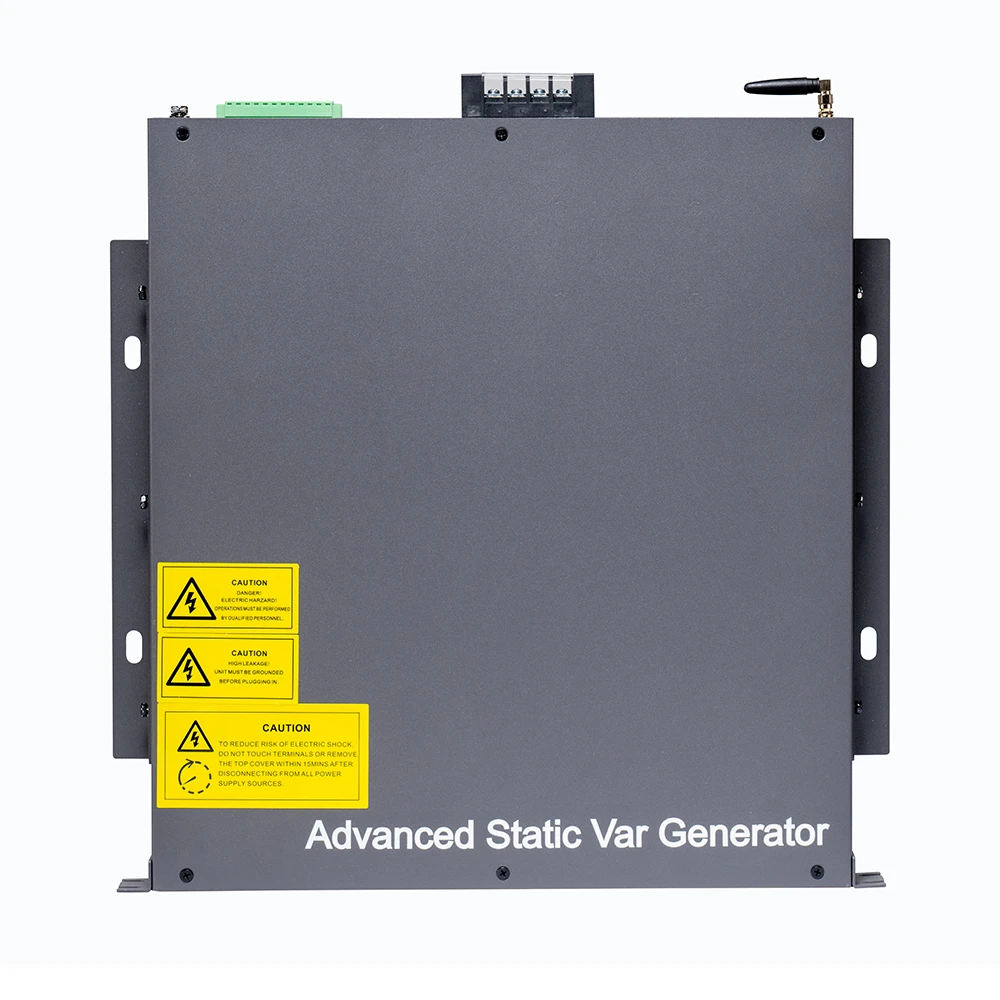
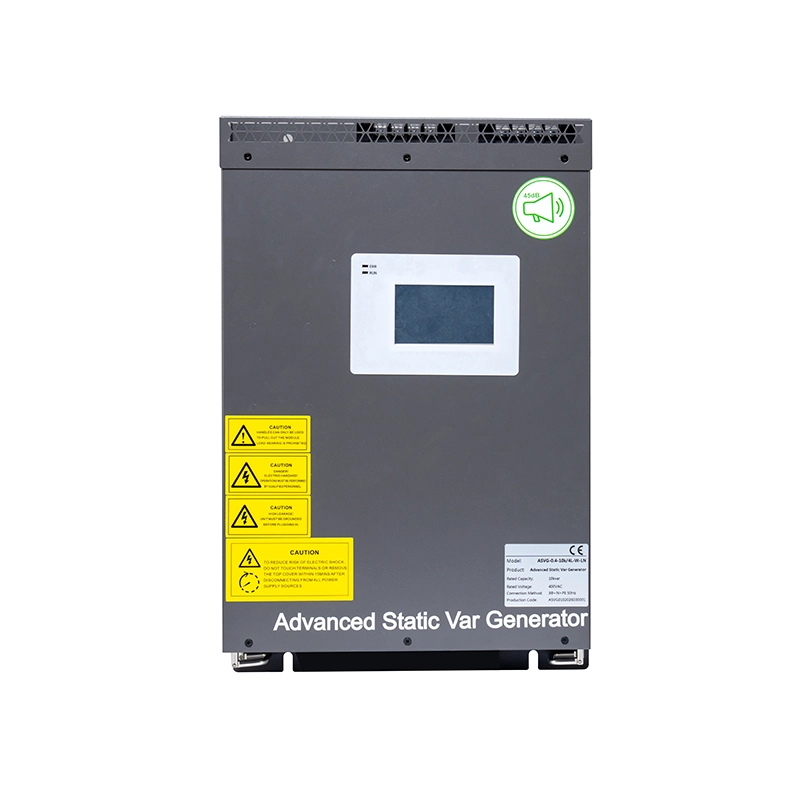
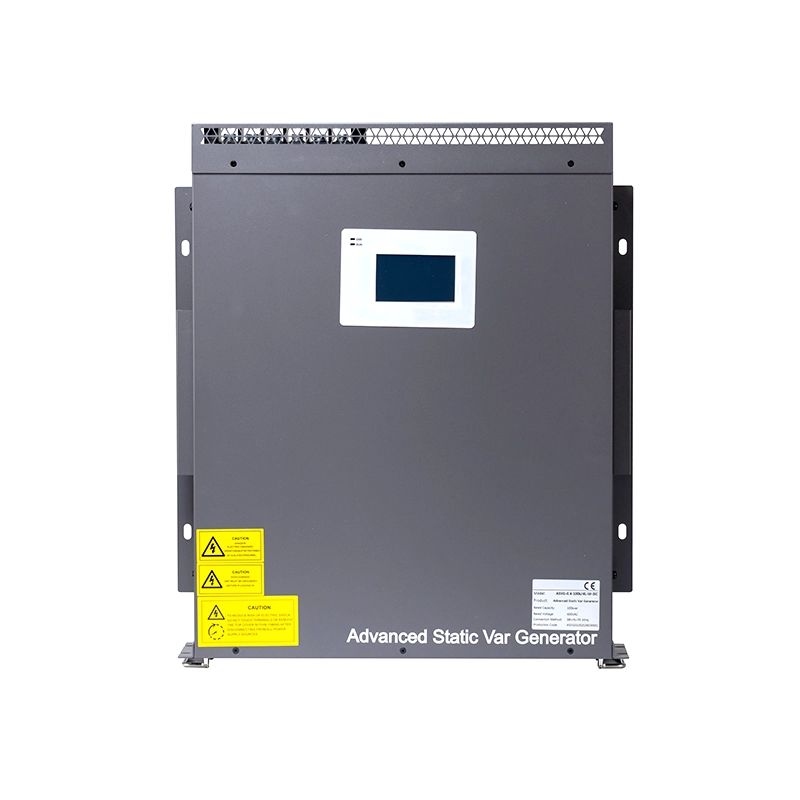
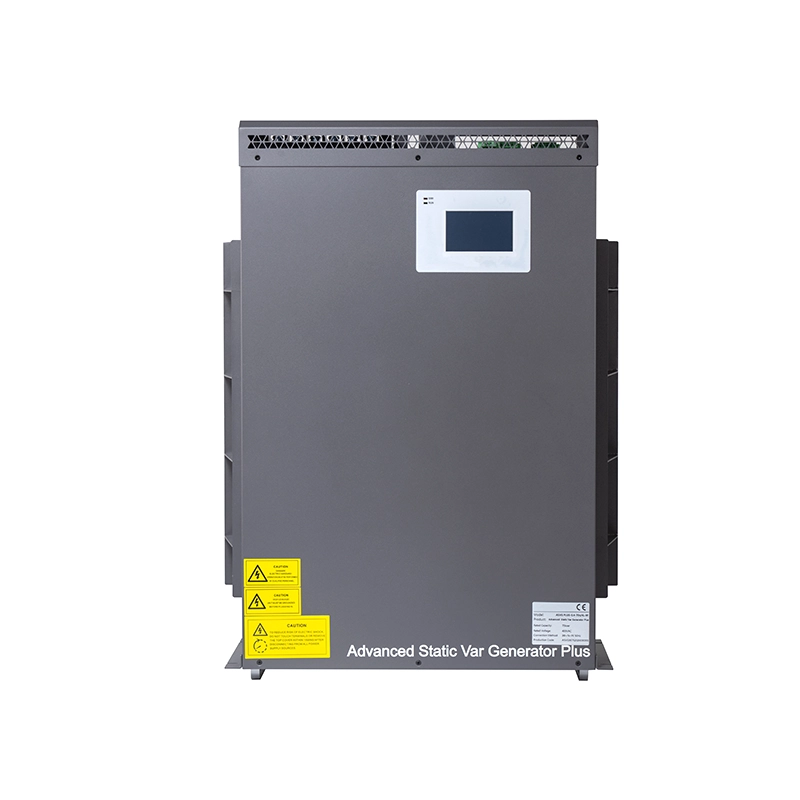
3.3 Advanced Static Var Generator (ASVG): Combined Compensation
Some facilities experience several power quality problems at the same time, such as harmonic distortion, low power factor, and three-phase current imbalance.
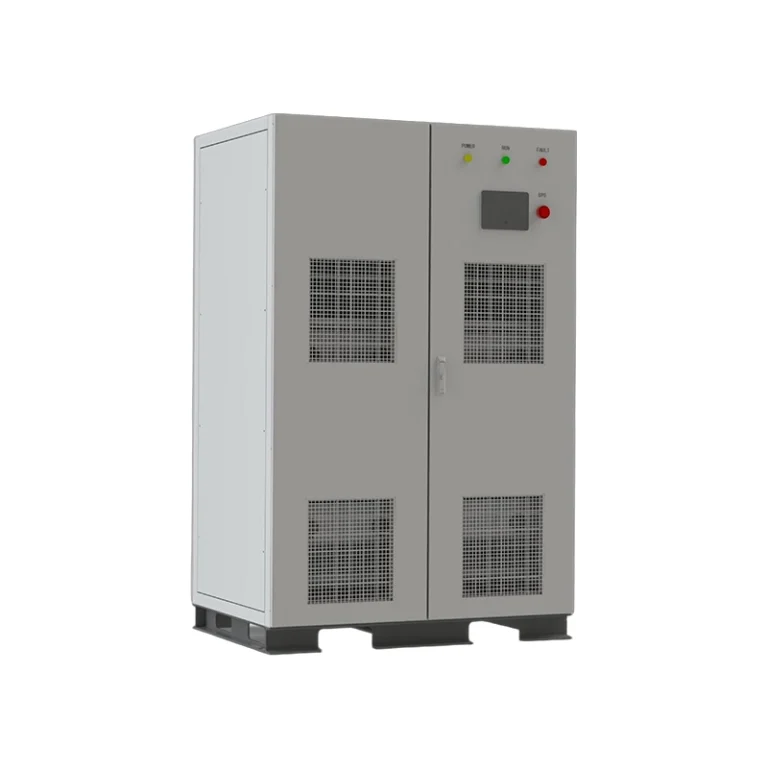
An Advanced Static Var Generator (ASVG) can combine reactive power compensation, harmonic mitigation, and three-phase imbalance correction in a single system, depending on the selected model and configuration.
This integrated approach can simplify system design when multiple compensation functions are required. However, the required capacity and achievable results must still be established from the site’s measurements and electrical design.
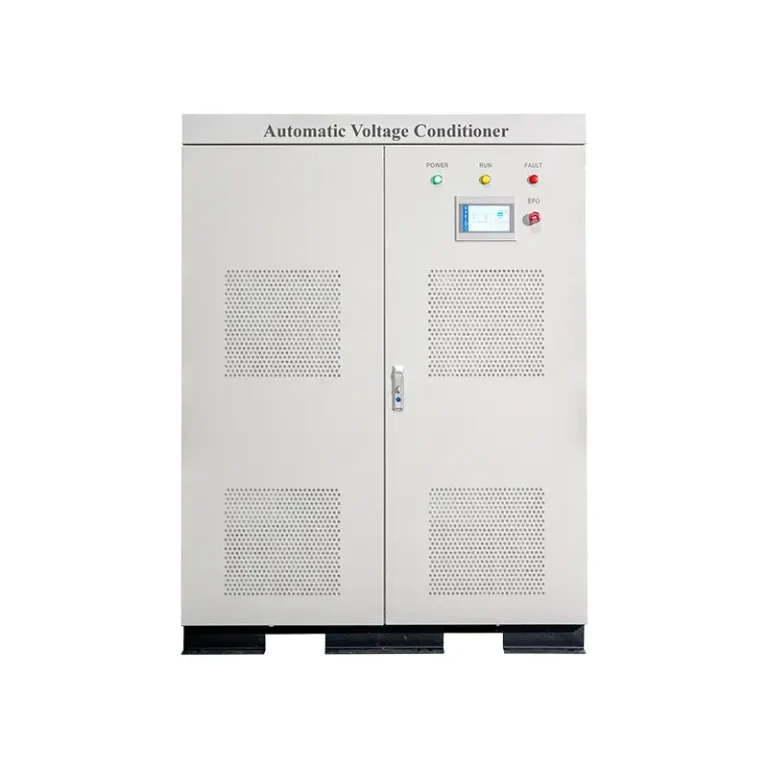
3.4 Automatic Voltage Control (AVC): Address Voltage Instability
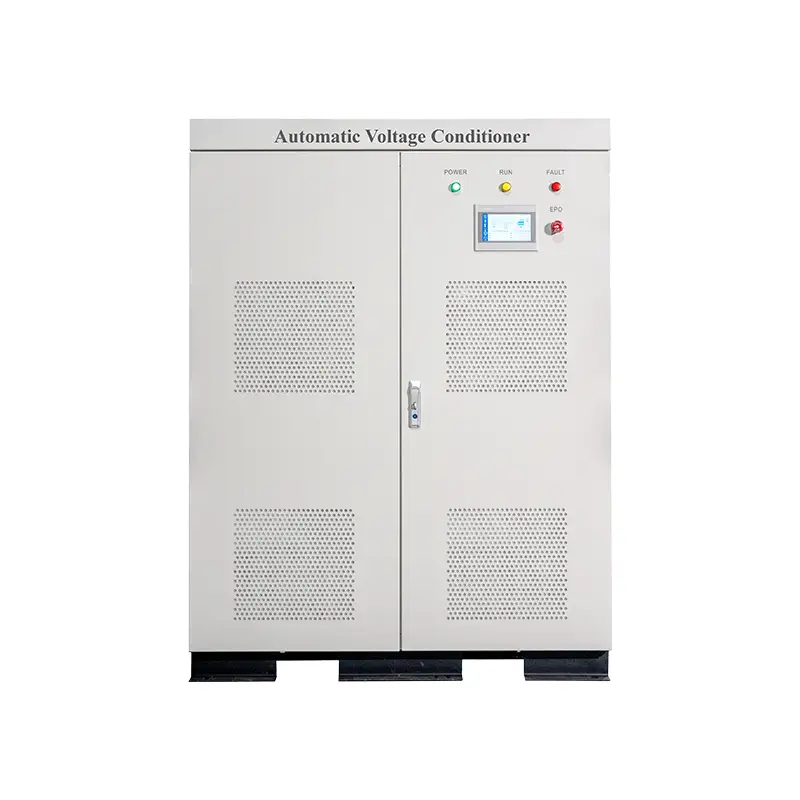
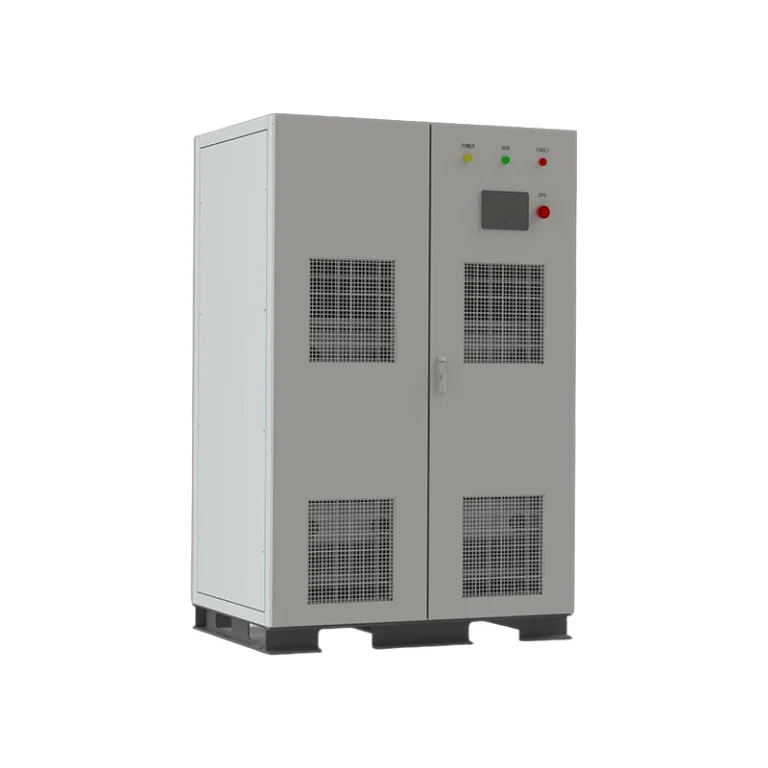
Automatic Voltage Control equipment is designed to regulate voltage within its specified operating range. Depending on the system design, it may help protect connected loads against sustained voltage deviations and certain voltage fluctuations.
However, ordinary voltage regulation is not the same as ride-through protection for a deep, short-duration voltage sag. Critical processes may require a Dynamic Voltage Restorer (DVR), a properly engineered UPS, or another solution specifically designed for the event profile.
Claims such as zero-millisecond transfer should only be made when supported by the selected equipment’s architecture, ratings, and verified performance data.
Explore GEYA Automatic Voltage Control (AVC) Solutions
3.5 How to Match the Problem with the Technology
| Measured Problem | Potential Solution | Key Selection Consideration |
|---|---|---|
| High harmonic current | AHF | Harmonic spectrum, load current, target THDi |
| Low power factor or fluctuating reactive demand | SVG | Reactive power demand, load variation, utility tariff |
| Harmonics plus reactive power and phase imbalance | ASVG or a coordinated system | Combined compensation requirements and capacity |
| Voltage deviation within the equipment’s operating range | AVC or another suitable regulator | Voltage range, load capacity, regulation speed |
| Brief, deep voltage sags affecting critical loads | DVR, suitable UPS, or engineered ride-through system | Sag depth, duration, load criticality, energy requirements |
| Excessive neutral current | Load balancing, neutral-system assessment, suitable filtering | Triplen harmonics, four-wire topology, conductor rating |
For facilities experiencing multiple interacting issues, a coordinated power quality assessment is usually more effective than selecting equipment based on a single symptom.
4. Calculate the Business Case: ROI, Reliability, and Energy Efficiency
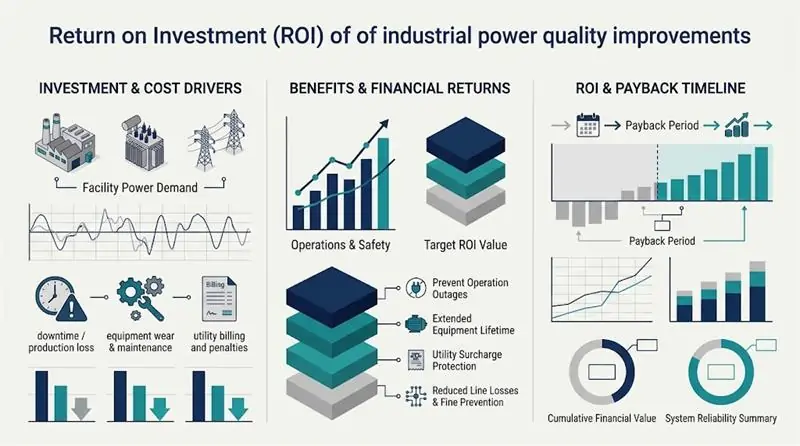
Power quality improvement should be evaluated as an operational investment rather than simply an equipment purchase.
A practical business case should consider measurable costs and benefits instead of relying on generalized savings claims.
4.1 Reduce Avoidable Production Losses
When a voltage disturbance interrupts production, the financial impact may include lost output, scrap materials, labor costs, restart procedures, and delayed deliveries.
Facilities with sensitive or continuous processes should estimate the cost of a typical interruption and compare it with the expected reduction in event-related losses from a proposed solution.
4.2 Evaluate Electricity Charges and Reactive Power Costs
Review utility bills and tariff documents to determine whether power factor, reactive energy, demand, or other provisions affect the facility’s electricity costs.
Then estimate the portion of those charges that could reasonably be avoided through corrective action. Do not assume that every U.S. commercial or industrial customer receives a power factor penalty or a financial reward for exceeding a specific target.
4.3 Reduce Electrical Losses and Equipment Stress
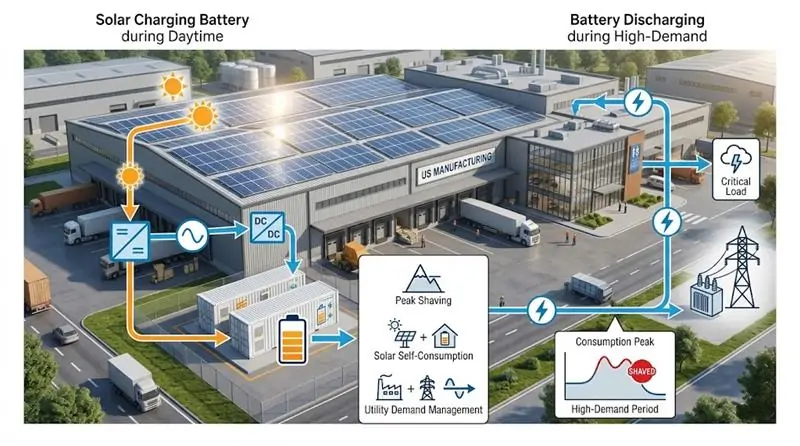
Reducing unnecessary harmonic or reactive current can lower certain electrical losses and help relieve equipment loading. The actual benefit depends on the system, operating conditions, and compensation design.
Temperature reductions, equipment life extension, and lower maintenance costs should be verified through measurements and maintenance records rather than assumed in advance.
4.4 A Simple ROI Calculation
Use the following framework to evaluate a proposed project:
- Annual measurable benefit: Avoided interruption losses + verified utility-charge savings + verified reduction in operating and maintenance costs.
- Annual net benefit: Annual measurable benefit − annual operating and maintenance costs of the solution.
- Simple payback period: Initial project cost ÷ annual net benefit, provided annual net benefit is positive.
For example, if a project costs $40,000 and delivers a verified annual net benefit of $20,000, its simple payback period is two years. This is an illustrative calculation, not a forecast of actual GEYA project savings.
Carbon and sustainability benefits can also be assessed where reduced electrical losses produce measurable energy savings. Any emissions reduction estimate should use an appropriate electricity emissions factor and documented energy data.
5. A Practical Three-Step Implementation Plan
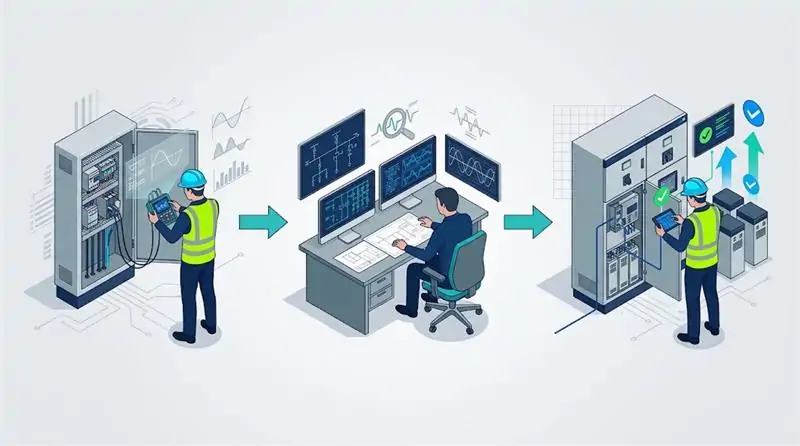
Step 1: Measure the Electrical System
Start with a power quality analyzer or suitable online monitoring equipment. Record voltage, current, frequency, power factor, harmonic distortion, voltage events, and load conditions as relevant to the problem.
For variable loads or intermittent events, a monitoring period of several days or longer may be necessary. Seven-day, 24-hour monitoring can be a useful starting point, but the appropriate duration depends on production cycles, event frequency, and the applicable assessment requirements.
Step 2: Diagnose the Root Cause
Correlate power quality measurements with production logs, equipment alarms, utility event records, and operating schedules.
Determine whether the disturbance originates within the facility, from the upstream supply, or from interactions between multiple loads. Review the single-line diagram, grounding and neutral arrangement, transformer capacity, protection settings, and existing compensation equipment as appropriate.
For projects involving harmonic compliance, engineers may use IEEE 519 as a relevant reference, while IEC 61000 standards may be useful for particular measurement, compatibility, or equipment-immunity requirements. The applicable standard and limits depend on the system and project scope.
Step 3: Design, Install, and Verify
Choose centralized compensation at a main distribution bus, localized compensation near a problematic load, or a coordinated combination of both.
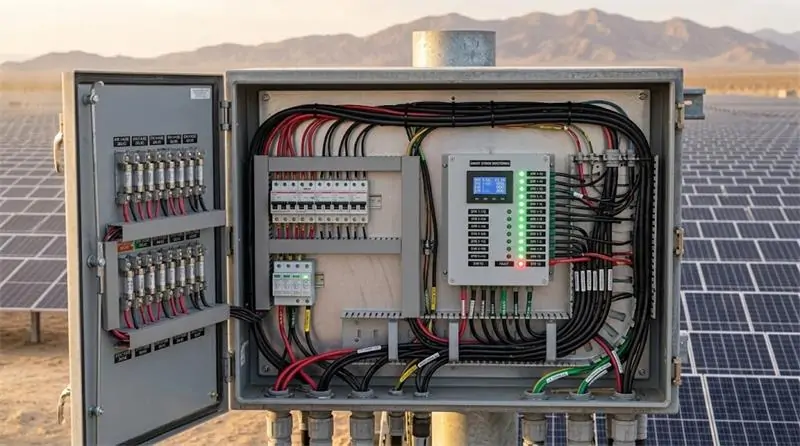
Before installation, confirm equipment ratings, short-circuit conditions, protection coordination, thermal requirements, current transformer placement, and expected operating conditions.
After commissioning, repeat the relevant measurements under comparable operating conditions. Verify that the solution meets the agreed technical targets and evaluate whether the expected financial benefits are being achieved.
6. Build a More Reliable Electrical System with GEYA
Power quality management is not simply about installing a filter or improving a single electrical parameter. It is about understanding how the facility operates, identifying the root cause of disturbances, and matching the solution to actual electrical conditions.
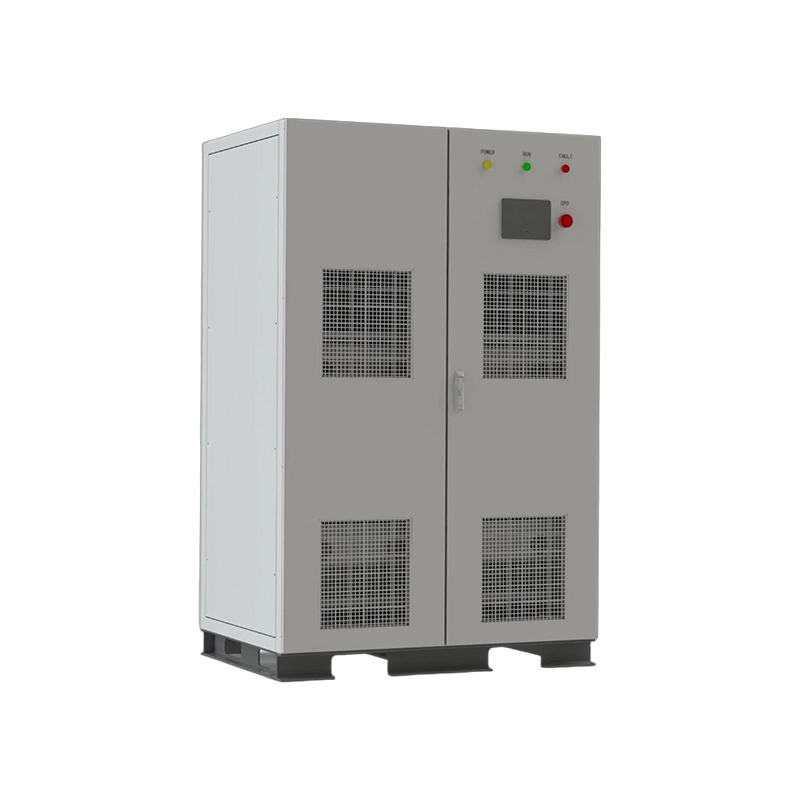
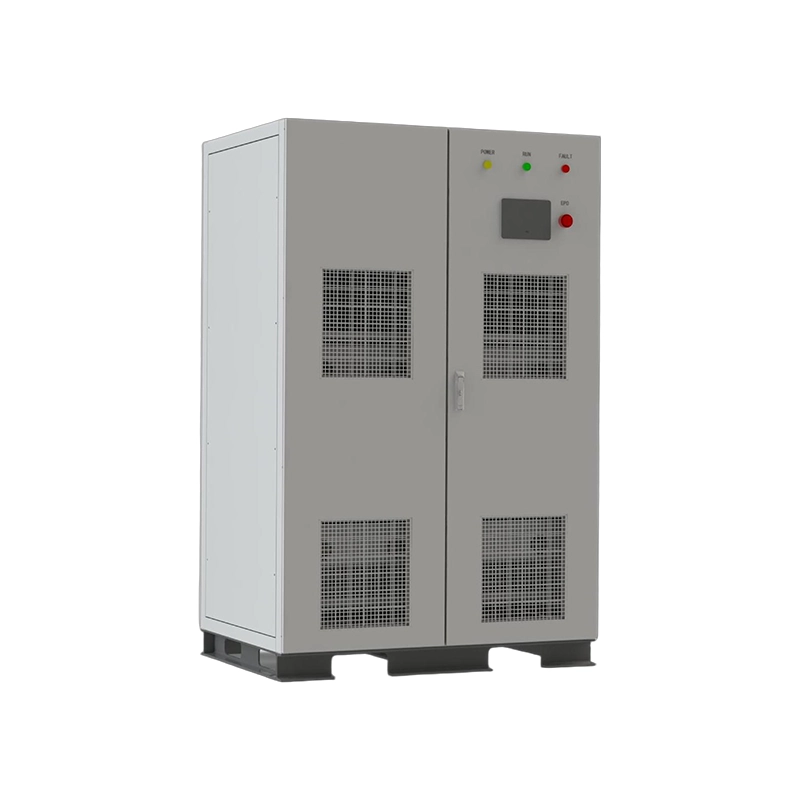
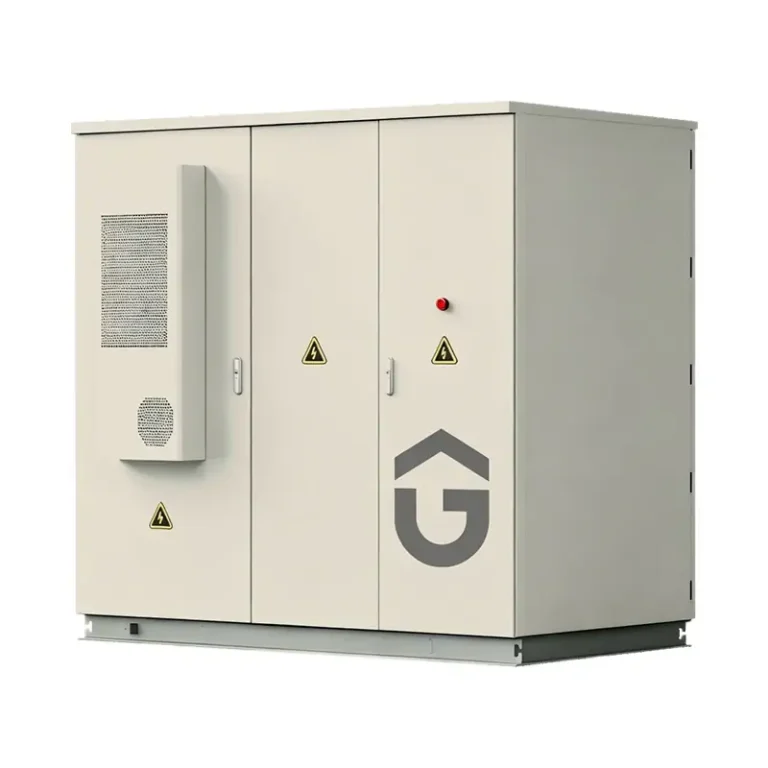
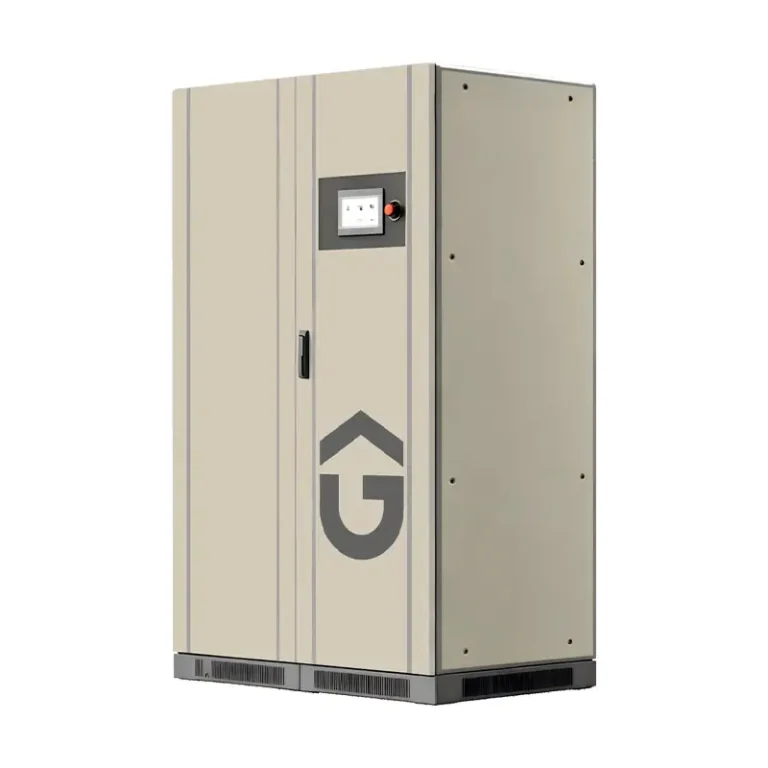
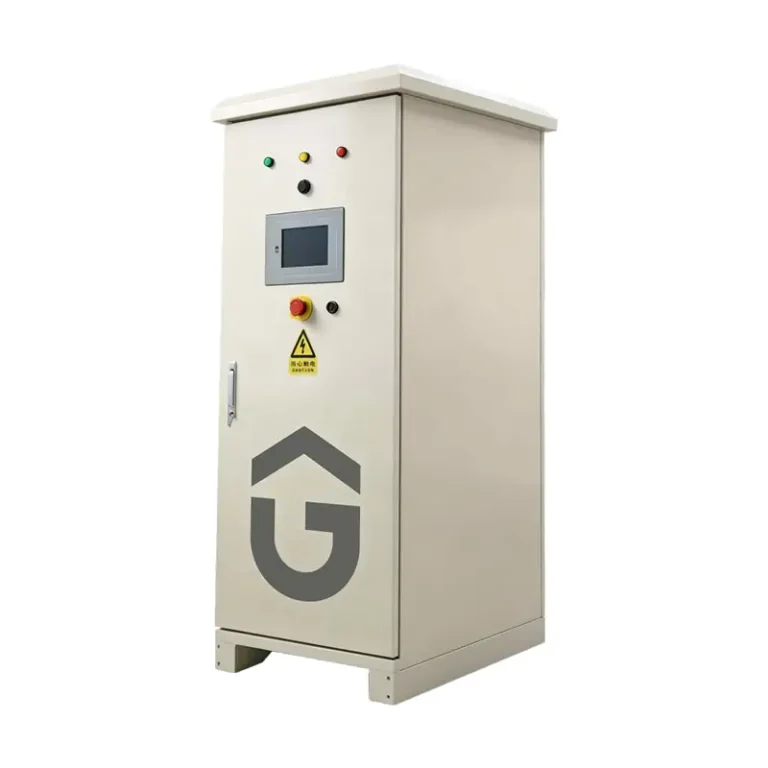
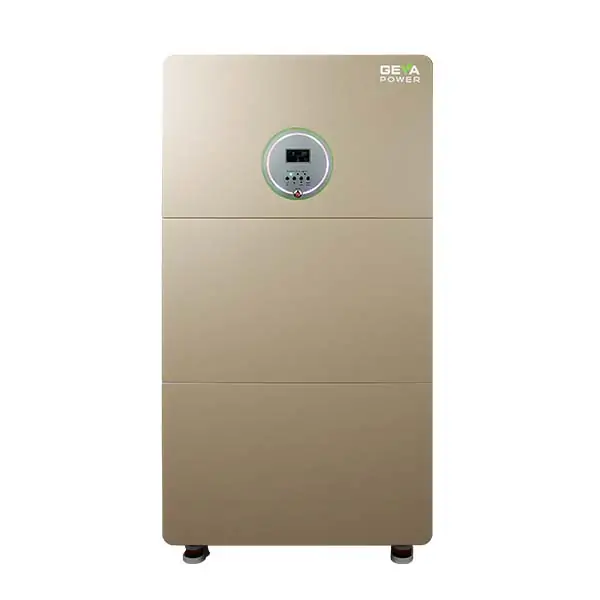
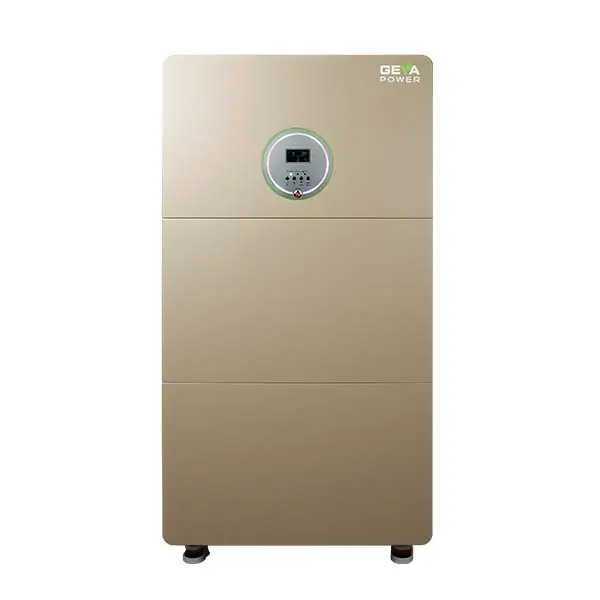
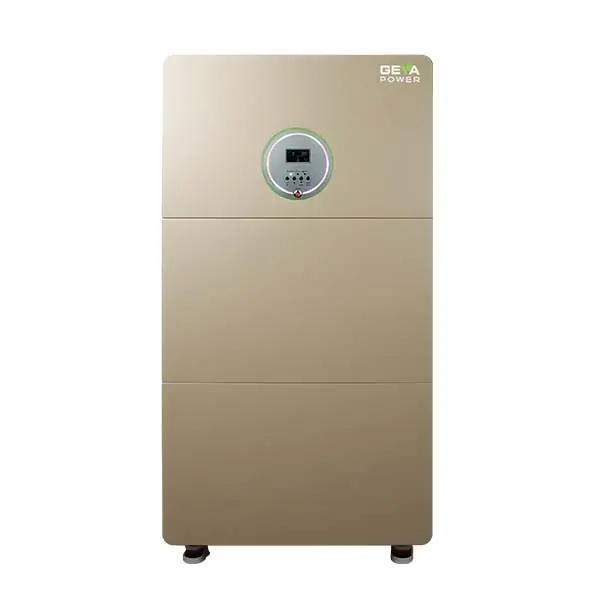
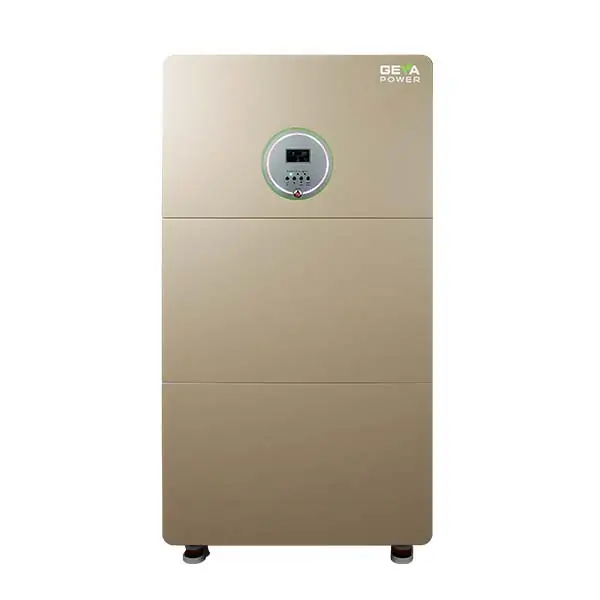
GEYA provides power quality equipment and solutions covering Active Harmonic Filters (AHF), Static Var Generators (SVG), Advanced Static Var Generators (ASVG), and Automatic Voltage Control (AVC).
These technologies can support industrial manufacturing, data centers, commercial buildings, and other facilities where harmonic mitigation, reactive power compensation, load balancing, or voltage regulation is required.
For the best results, equipment selection should be based on electrical measurements, system configuration, technical requirements, and clearly defined performance targets.
Explore the complete range of GEYA Power Quality Management Solutions to identify technologies that may fit your facility’s requirements.
If your facility is experiencing harmonic distortion, low power factor, recurring voltage disturbances, or unexplained electrical overheating, begin with a structured assessment before choosing the equipment.
Conclusion: Better Power Quality, Better Operational Control
Reliable electricity is not only about keeping the lights on. For modern industrial and commercial facilities, it is also about protecting sensitive loads, maintaining predictable operations, reducing avoidable losses, and making better use of electrical infrastructure.
Better power quality supports better operational performance. Measure first, diagnose accurately, and select the solution that addresses the actual problem.
What power quality challenges have you encountered in your facility? Have you experienced unexpected equipment trips, harmonic-related overheating, voltage sags, or power factor charges? Share your experience and the measurements you used to identify the cause.