




Modern industrial facilities depend on electrical systems that are not only available, but also stable, efficient, and predictable. Manufacturing lines, variable frequency drives (VFDs), robotic systems, CNC machines, compressors, pumps, data centers, solar inverters, and automated production equipment can all be affected by poor power quality.
Common problems such as harmonic distortion, low power factor, reactive power demand, voltage fluctuations, and three-phase imbalance may not always cause an immediate equipment failure. Instead, they often appear as excessive heating, nuisance trips, shortened equipment life, unstable production processes, higher electrical losses, or unexplained downtime.
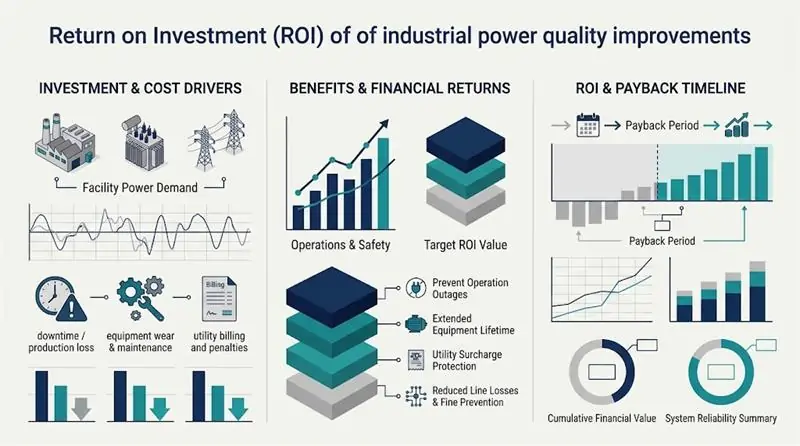
For industrial operators, improving power quality is therefore more than an electrical engineering exercise. It is a practical way to improve production reliability, control operating costs, protect electrical assets, and reduce the risk of power-related interruptions.
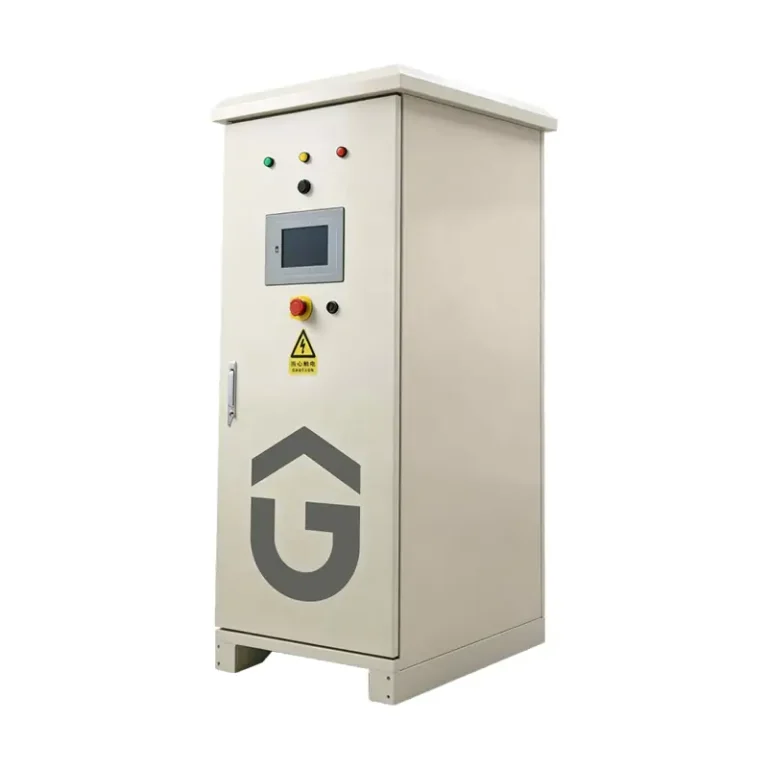
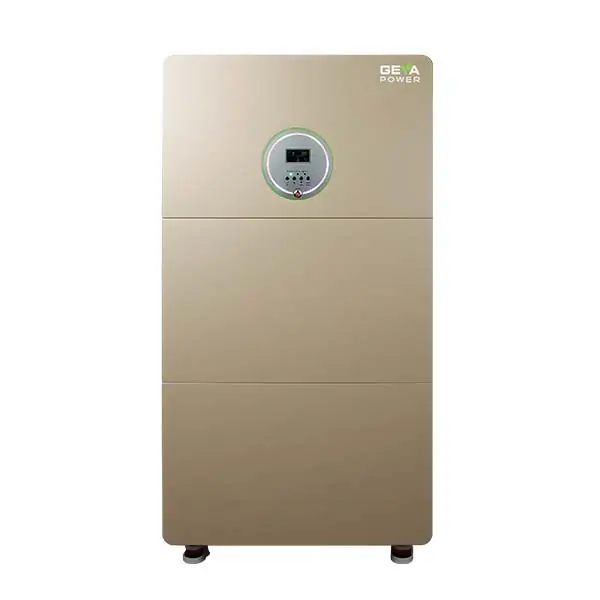
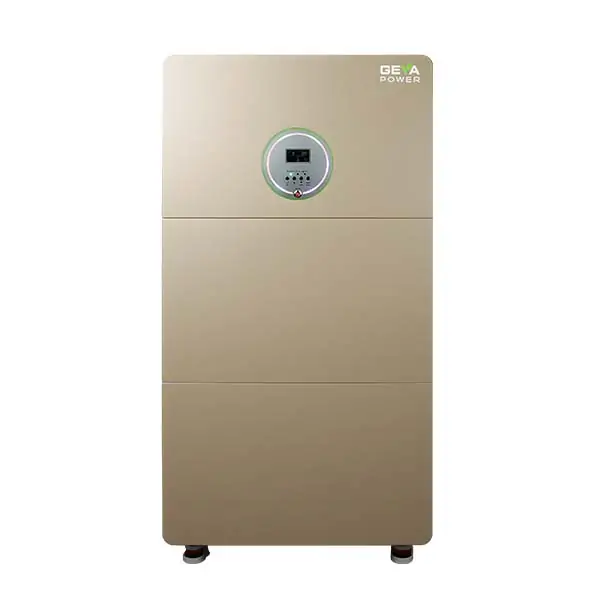
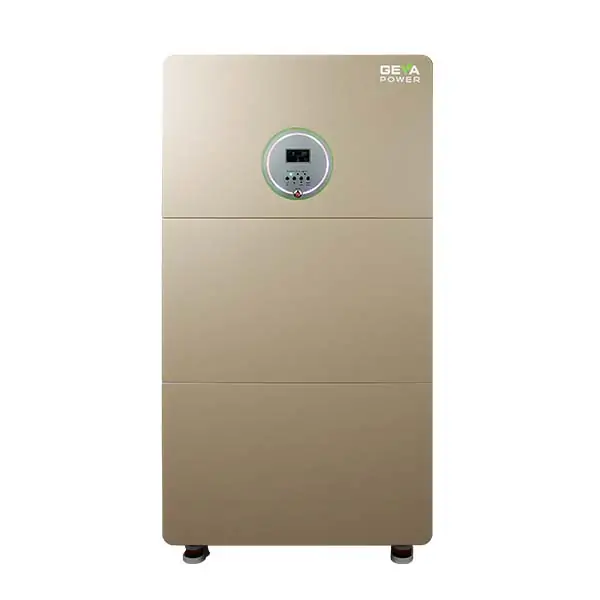
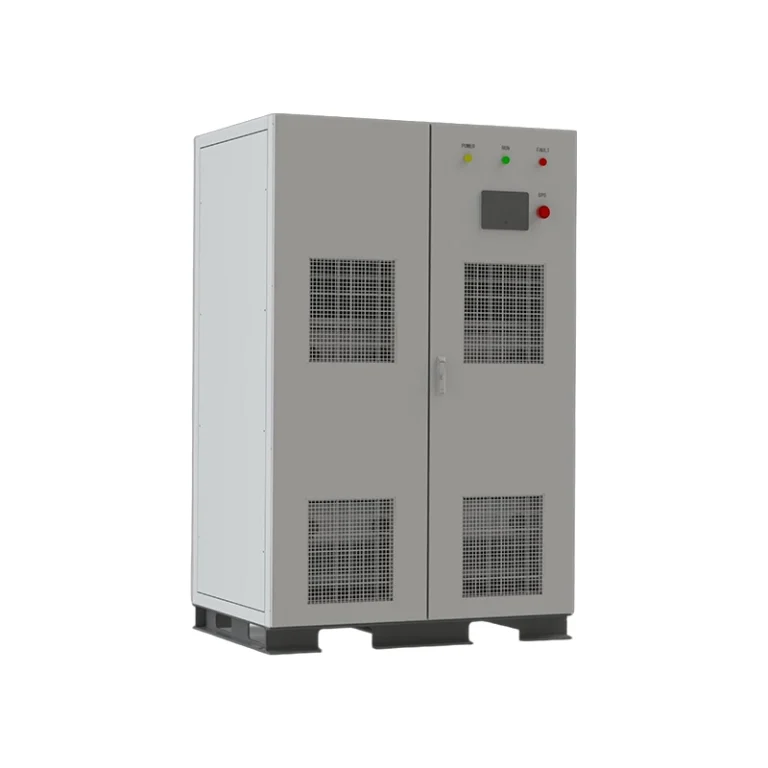
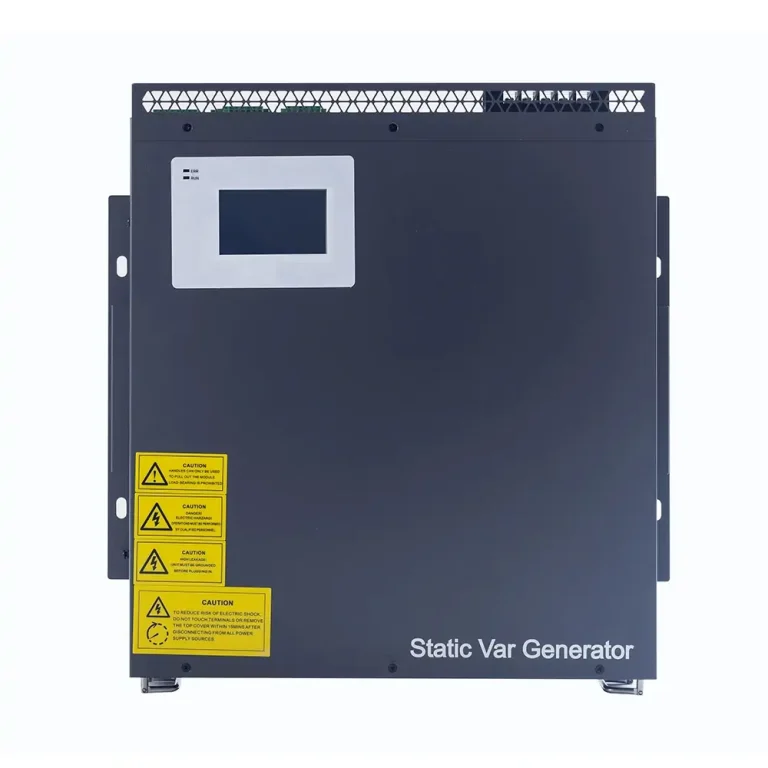
GEYA provides a range of power quality improvement solutions, including Active Harmonic Filters (AHF), Static Var Generators (SVG), Advanced Static Var Generators (ASVG), and Automatic Voltage Control (AVC) systems. These technologies are designed to address different electrical problems and can also be combined for facilities experiencing multiple power quality issues.
This guide explains the major power quality improvement technologies, how to select the right solution for different industrial applications, and how to maintain power quality equipment for reliable long-term operation.
Why Power Quality Improvement Matters for Industrial Businesses
For an industrial facility, electricity is part of the production infrastructure. When power quality deteriorates, the impact can extend far beyond the electrical room.
A well-designed power quality improvement strategy typically delivers three major business benefits: more reliable equipment operation, lower energy and maintenance costs, and reduced production risk.
Improve Production Equipment Reliability
Modern industrial equipment increasingly relies on power electronics.
Variable frequency drives, servo drives, PLC-controlled machinery, industrial robots, welding equipment, UPS systems, and switching power supplies can introduce or become sensitive to electrical disturbances.
Harmonic currents can increase heating in transformers, cables, and other electrical components. Voltage fluctuations can affect sensitive control systems. Three-phase imbalance can place additional stress on motors and other rotating equipment.
Power quality improvement equipment helps create a more stable electrical environment by addressing these disturbances at the electrical distribution level.
For manufacturers, the objective is simple: keep production equipment operating within a stable electrical environment so that the production process remains predictable.
Reduce Energy Losses and Operating Costs
Poor power quality can increase unnecessary current flow throughout an electrical system.
Low power factor caused by excessive reactive power means that a facility may draw more current than is necessary to deliver the same useful active power.
Higher current can contribute to:
- Increased cable losses
- Additional transformer loading
- Higher electrical losses
- Reduced usable distribution capacity
- Additional heating of electrical equipment
- Potential utility power factor penalties, depending on the tariff and service agreement
Dynamic reactive power compensation, such as GEYA SVG technology, can continuously adjust compensation according to changing load conditions.
This is particularly valuable in facilities where motors, pumps, compressors, HVAC systems, and other inductive loads change throughout the production cycle.
Reduce the Risk of Electrical Faults and Production Downtime
Electrical disturbances do not always result in a dramatic failure.
Sometimes the symptoms are much less obvious:
- A production line trips unexpectedly.
- A VFD generates repeated fault alarms.
- Sensitive electronic equipment resets.
- Motors operate at abnormal temperatures.
- Lighting flickers.
- Transformers run hotter than expected.
- Production equipment experiences intermittent communication problems.
These events can be difficult to diagnose because the electrical system may appear normal during a conventional inspection.
A power quality monitoring and improvement strategy allows facility engineers to identify the underlying electrical problem instead of repeatedly treating the symptoms.
For critical industrial operations, preventing one significant production interruption can justify a power quality improvement project on its own.
Major Power Quality Improvement Technologies and Solutions
There is no single device that solves every power quality problem.
The correct solution depends on the type of disturbance, the characteristics of the electrical load, the voltage level, the magnitude and variation of the problem, and the required performance at the point of common coupling (PCC).
In practice, the major power quality solutions can be divided into three core areas:
- Harmonic mitigation
- Reactive power compensation
- Voltage stabilization
Additional functions such as three-phase load balancing and integrated power quality control may be required when several problems occur simultaneously.

Harmonic Mitigation Technology
What Are Harmonics?
Harmonics are electrical currents or voltages whose frequencies are integer multiples of the fundamental power frequency.
In a typical 60 Hz electrical system, for example, the 3rd harmonic occurs at 180 Hz, the 5th at 300 Hz, and the 7th at 420 Hz.
Harmonics are commonly produced by nonlinear loads, including:
- Variable frequency drives
- UPS systems
- Switching power supplies
- Rectifiers
- Industrial welding equipment
- Data center power electronics
- Solar inverters
- Battery charging equipment
High harmonic distortion can increase electrical losses, heating, equipment stress, and interference with other electrical systems.
For U.S. industrial facilities, IEEE 519-2022 is an important reference for harmonic control and evaluation at the point of common coupling (PCC).
Active Harmonic Filter Technology
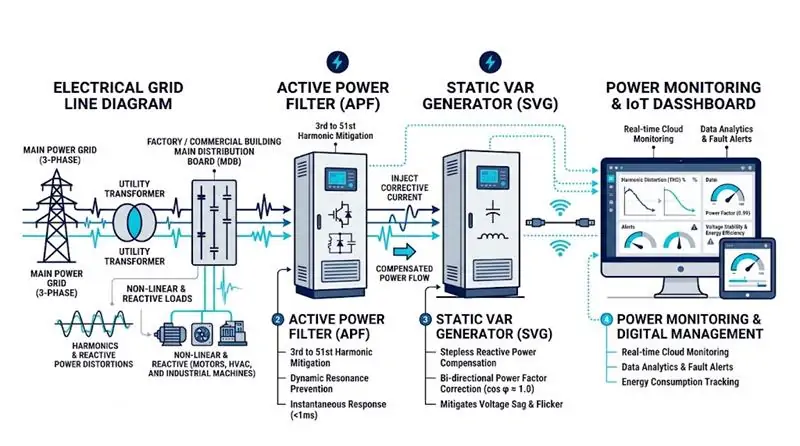
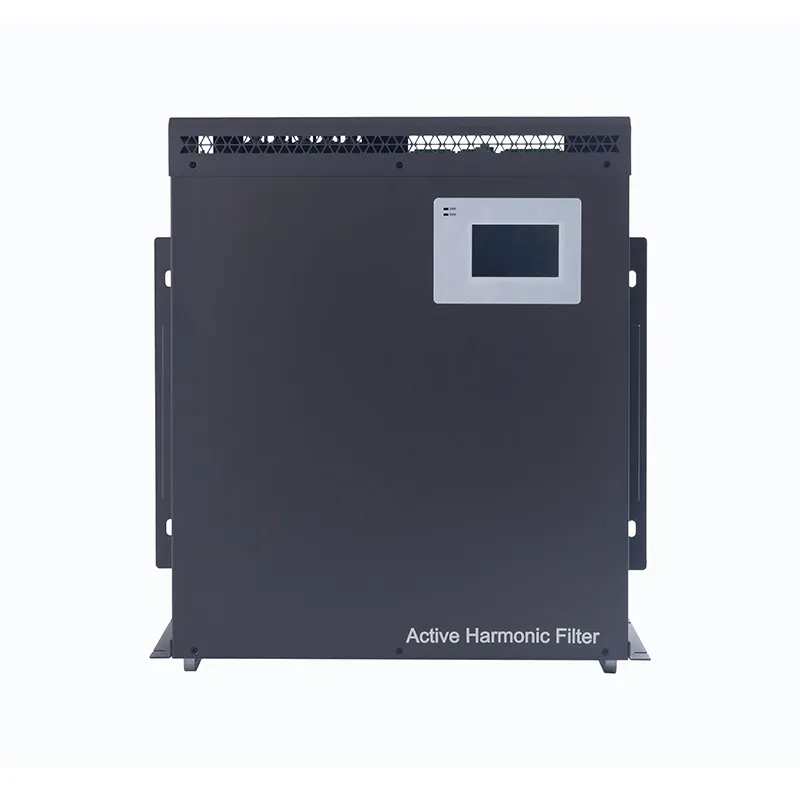
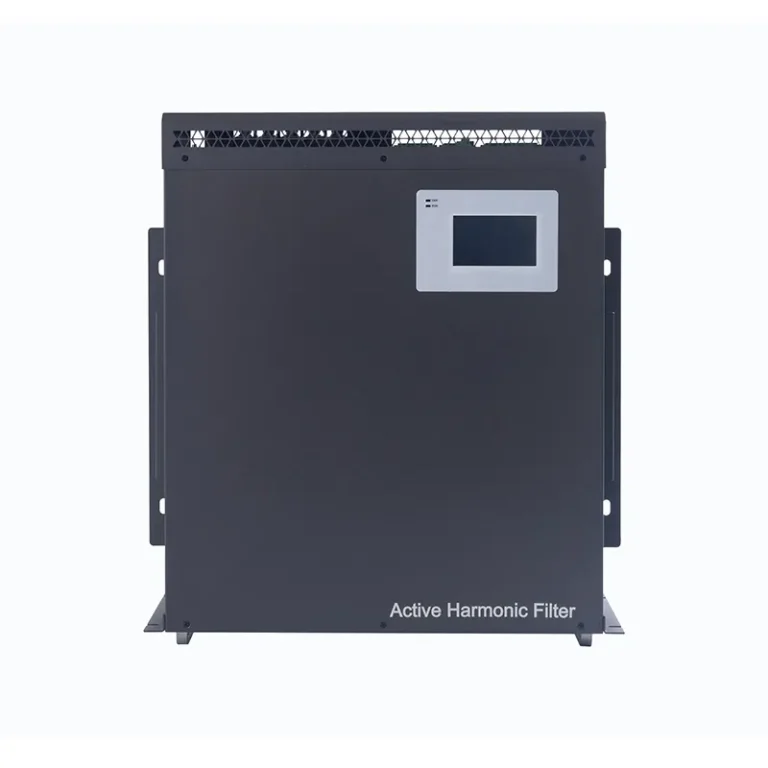
An Active Harmonic Filter (AHF), sometimes referred to more generally as an Active Power Filter (APF), continuously measures the electrical current and identifies harmonic components.
The filter then generates a compensating current with an appropriate magnitude and phase to counteract the unwanted harmonic current.

The simplified operating principle is:
Measure → Analyze → Generate Compensation Current → Reduce Harmonic Distortion
Unlike traditional passive filters that are designed around specific frequency characteristics, active filtering technology can dynamically respond to changing load conditions.
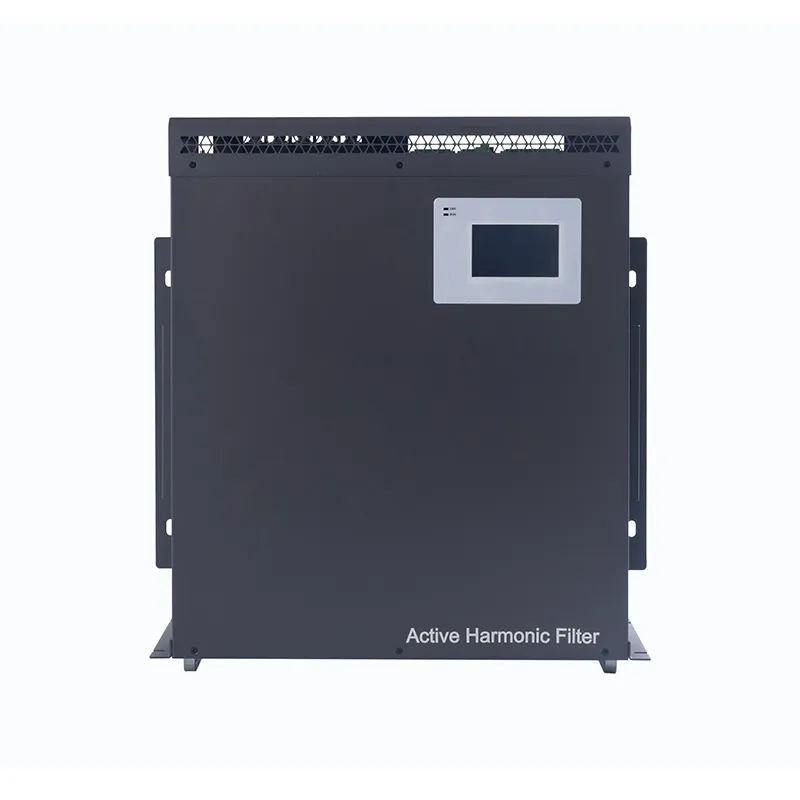
GEYA AHF solutions are designed for real-time harmonic detection and compensation and can also provide functions such as three-phase load balancing.
For more information, see the GEYA Active Harmonic Filter (AHF) product category.
Where Are Active Harmonic Filters Most Useful?
AHF technology is particularly suitable for:
- Manufacturing plants with multiple VFDs
- Welding production lines
- CNC machining facilities
- Data centers
- Semiconductor manufacturing
- Industrial automation systems
- Commercial buildings with large electronic loads
- Renewable energy facilities
Key Advantages
- Real-time harmonic compensation
- Dynamic response to changing loads
- Reduced harmonic current
- Lower electrical losses
- Reduced transformer and cable heating
- Improved electrical system stability
- Flexible installation and modular expansion
For facilities where harmonic levels change significantly throughout the production cycle, dynamic filtering is often more practical than designing a fixed compensation system around a single operating condition.
Reactive Power Compensation Technology
Reactive power is necessary for many AC electrical loads, particularly motors, transformers, pumps, compressors, and other inductive equipment.
However, excessive reactive power increases current without directly increasing useful active power output.
This can reduce power factor and increase the electrical loading of distribution equipment.
Static Var Generator (SVG)
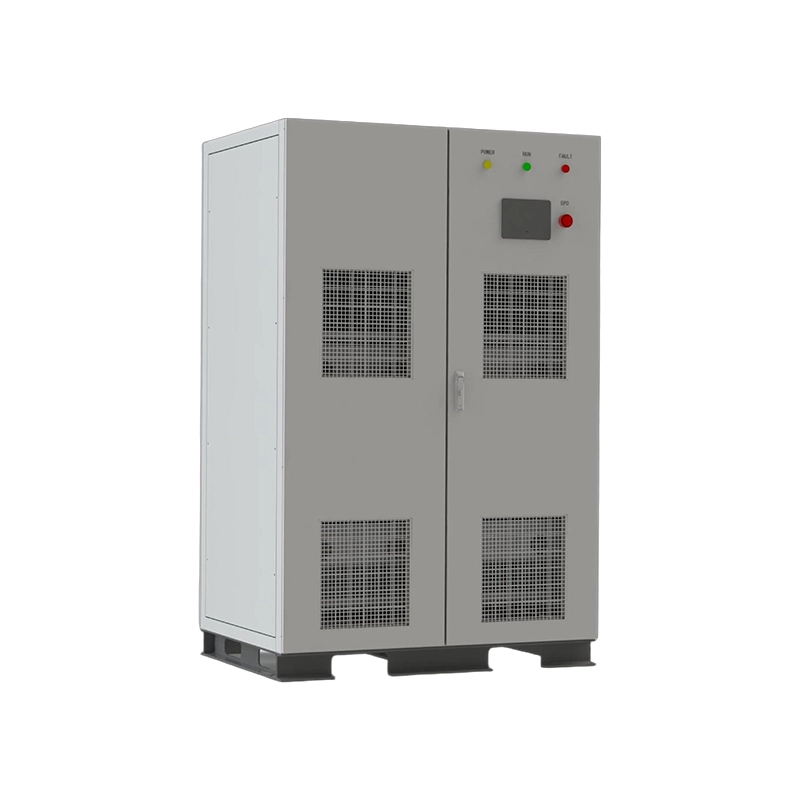
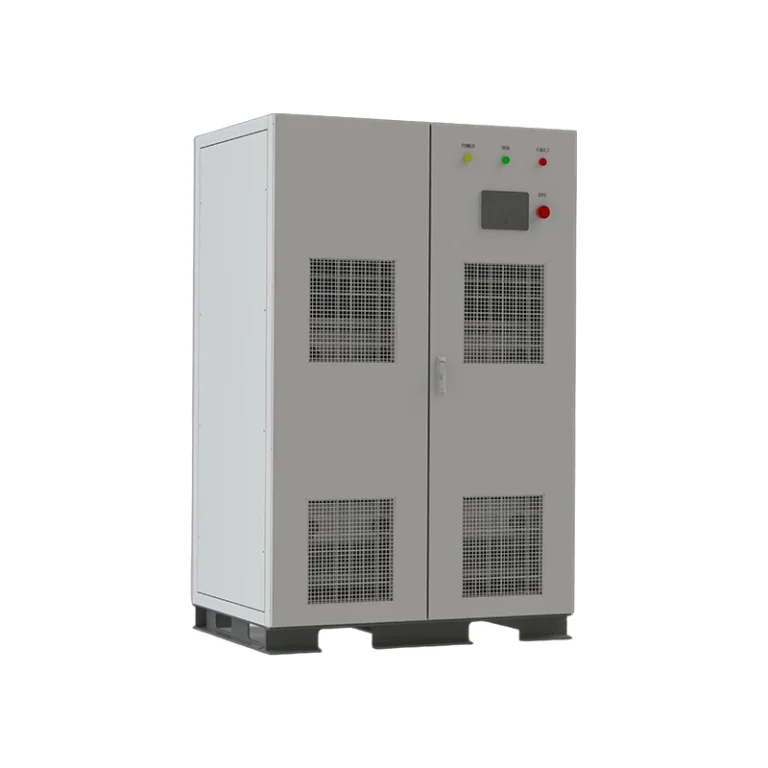
A Static Var Generator uses power electronics to dynamically inject or absorb reactive current according to the real-time requirements of the electrical system.
Instead of waiting for a fixed capacitor stage to switch on or off, an SVG continuously adjusts its compensation output.
This makes SVG technology especially useful for industrial facilities where electrical loads change rapidly.
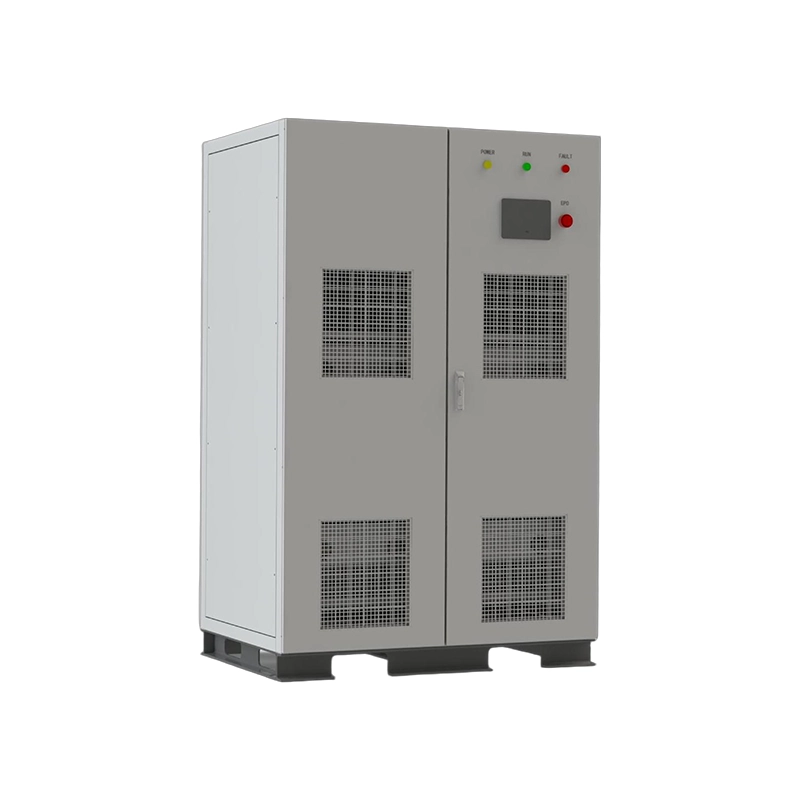
GEYA SVG systems are designed for dynamic reactive power compensation, power factor improvement, voltage support, and three-phase unbalance correction.
Learn more about GEYA Static Var Generator (SVG) solutions.

How SVG Improves Power Quality
The basic process is:
Monitor Load → Detect Reactive Power Demand → Generate Compensation Current → Improve Power Factor
The result can include:
- Improved power factor
- Reduced reactive current
- Lower distribution losses
- Reduced transformer loading
- Improved voltage performance
- Better utilization of existing electrical infrastructure
Where Is SVG Most Useful?
SVG technology is particularly appropriate for:
- Heavy manufacturing
- Steel processing
- Metalworking
- Welding facilities
- Pumping stations
- Compressor systems
- HVAC systems
- Mining operations
- Renewable energy installations
- Commercial distribution systems
For facilities with rapidly changing loads, dynamic SVG compensation can provide more flexible control than conventional fixed capacitor compensation.
Voltage Stability and Voltage Regulation
Voltage instability can be caused by changing loads, long distribution feeders, large motor starts, grid conditions, renewable energy integration, or other disturbances.
Typical symptoms include:
- Voltage fluctuations
- Undervoltage
- Overvoltage
- Motor performance problems
- Equipment shutdowns
- Lighting flicker
- Production interruptions
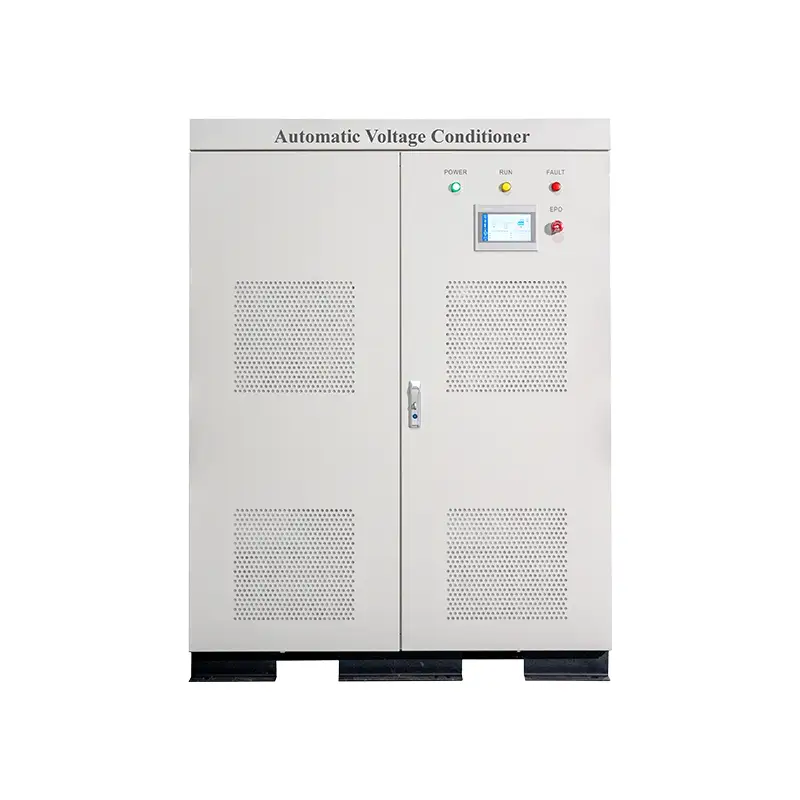
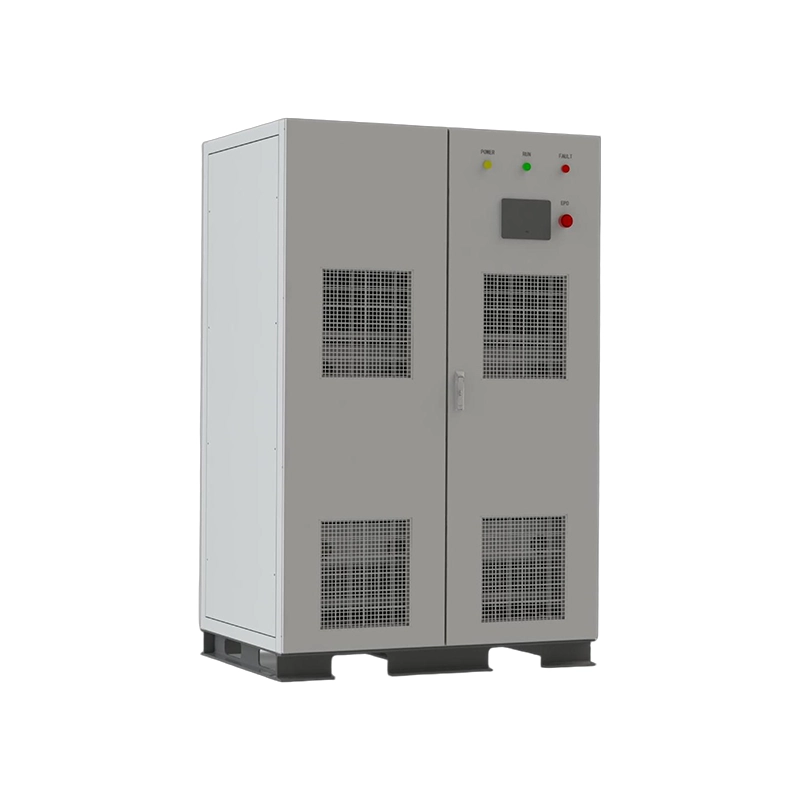
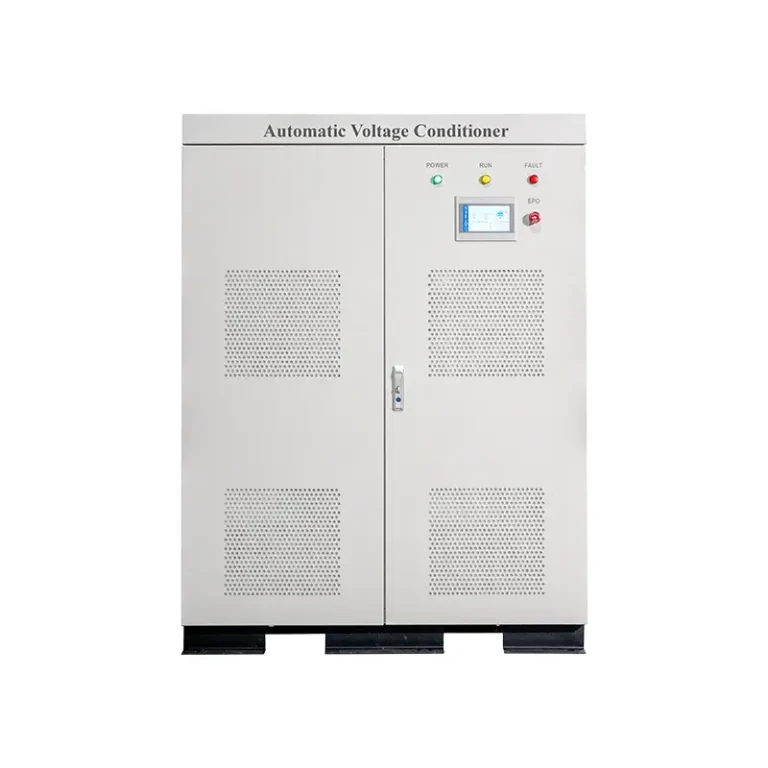
Automatic Voltage Control
Automatic Voltage Control (AVC) technology continuously monitors voltage conditions and adjusts the electrical system to maintain a more stable supply.
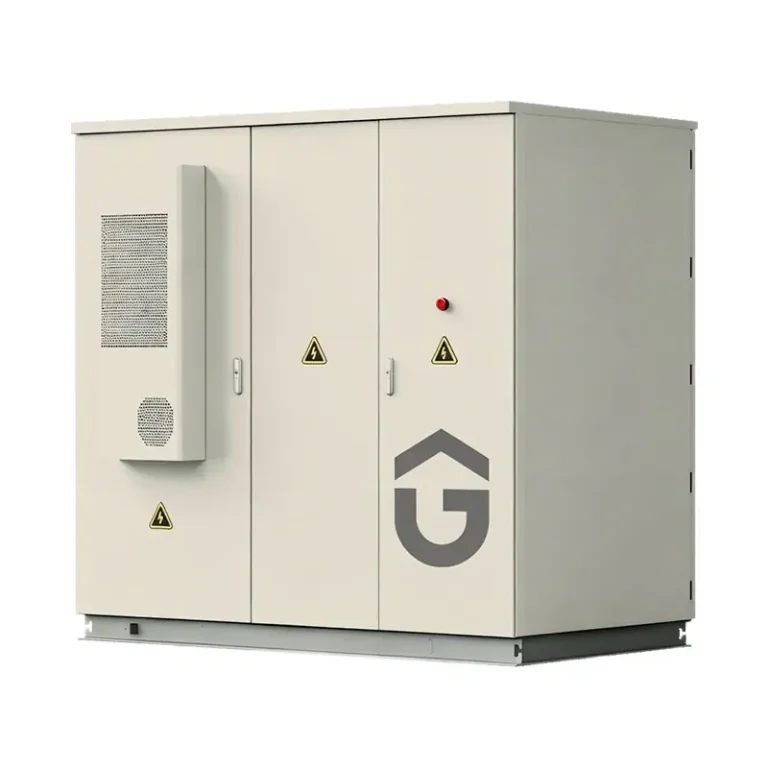
GEYA AVC solutions are designed for voltage regulation and can address voltage sag, voltage rise, reactive power compensation, harmonic compensation, and three-phase imbalance in certain configurations.
Learn more about GEYA Automatic Voltage Control (AVC) solutions.
Typical Applications
- Automated manufacturing lines
- Precision production equipment
- Data centers
- Semiconductor facilities
- Commercial buildings
- Renewable energy systems
- Long industrial distribution feeders
For a facility experiencing severe voltage instability, engineers should first determine whether the root cause is load variation, feeder impedance, reactive power demand, grid conditions, or another electrical issue before selecting the regulation technology.
When Multiple Power Quality Problems Occur Together
Industrial facilities rarely experience only one electrical problem.
For example, a manufacturing plant may simultaneously have:
- Harmonic distortion from VFDs
- Low power factor from motors
- Three-phase imbalance
- Voltage fluctuations caused by rapidly changing loads
In such cases, selecting a single-purpose device may not provide the most efficient solution.
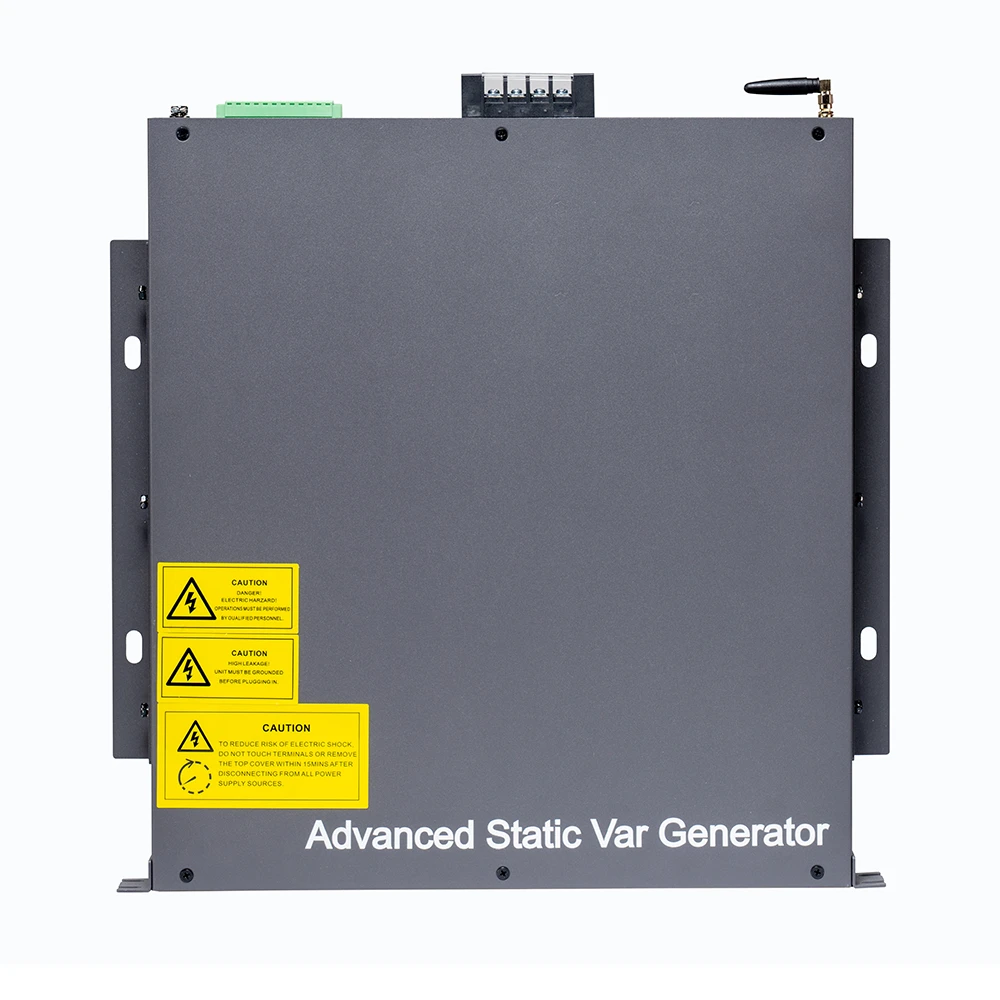
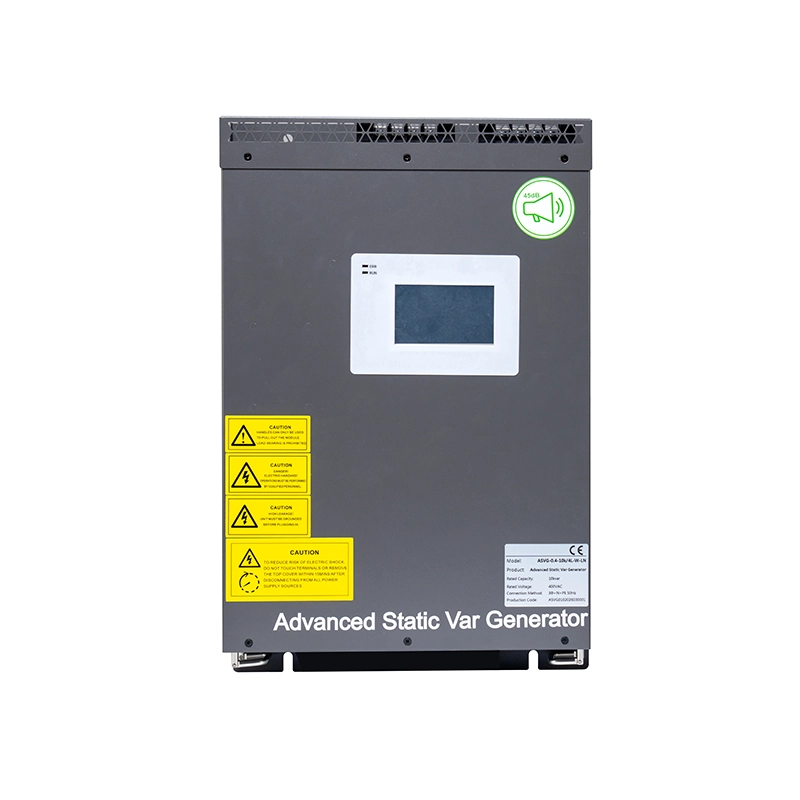
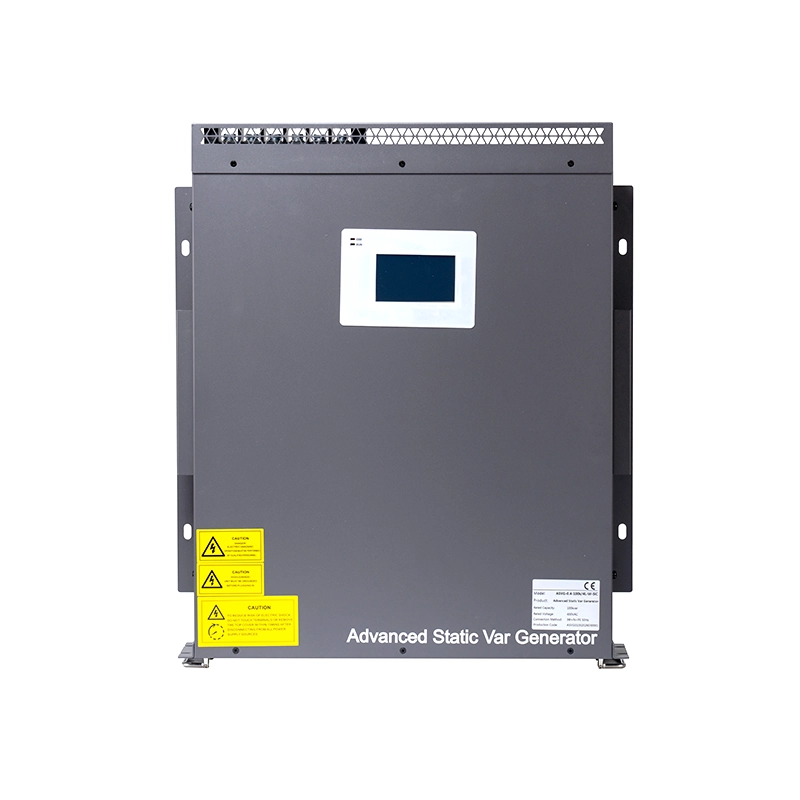
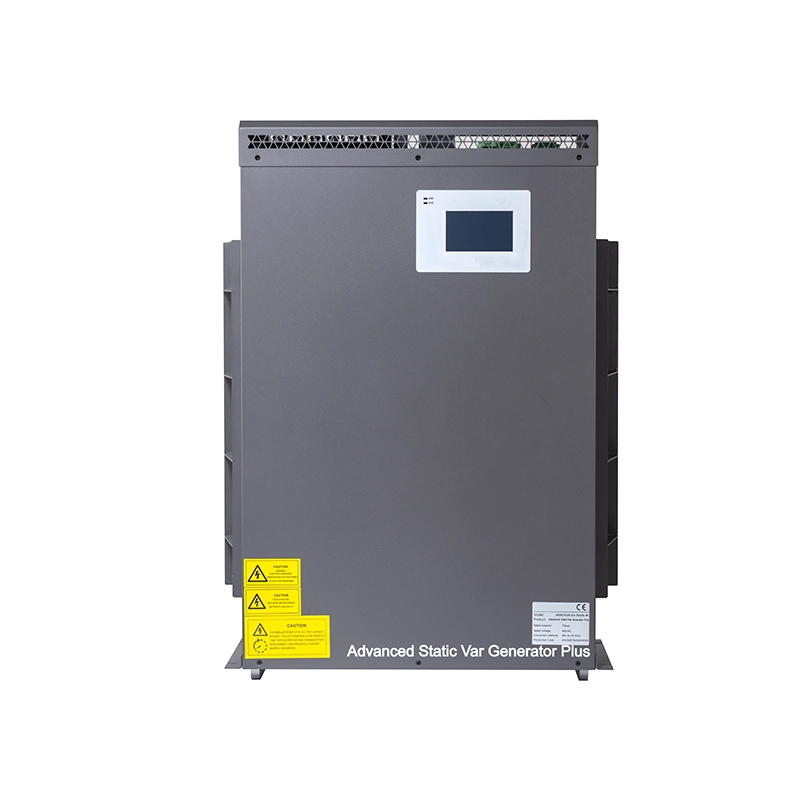
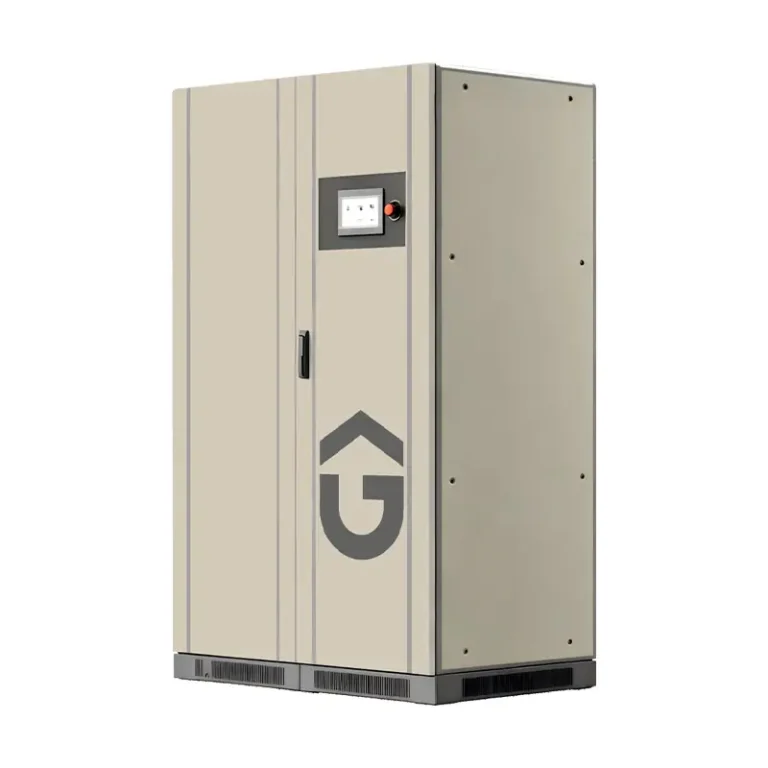
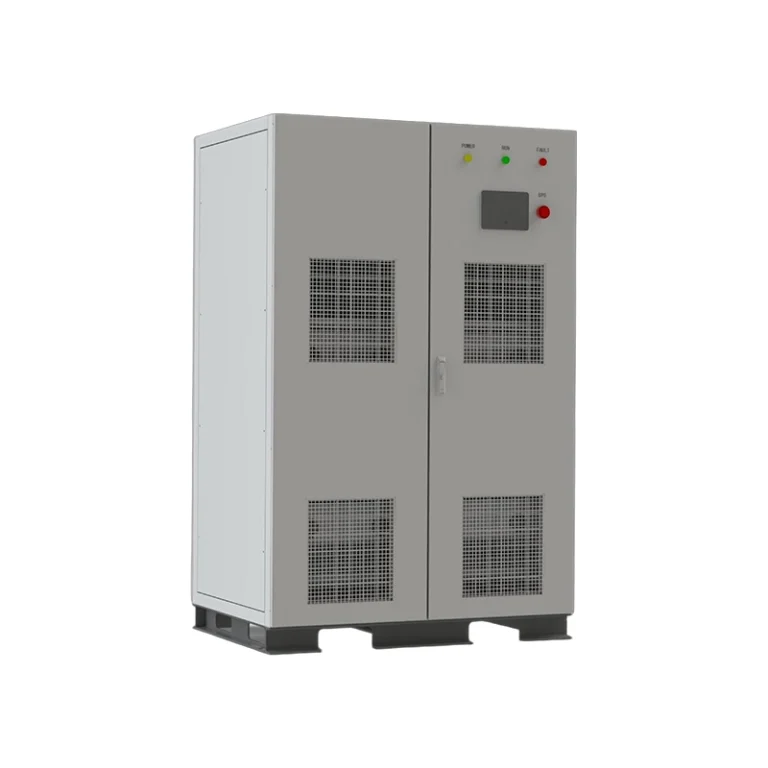
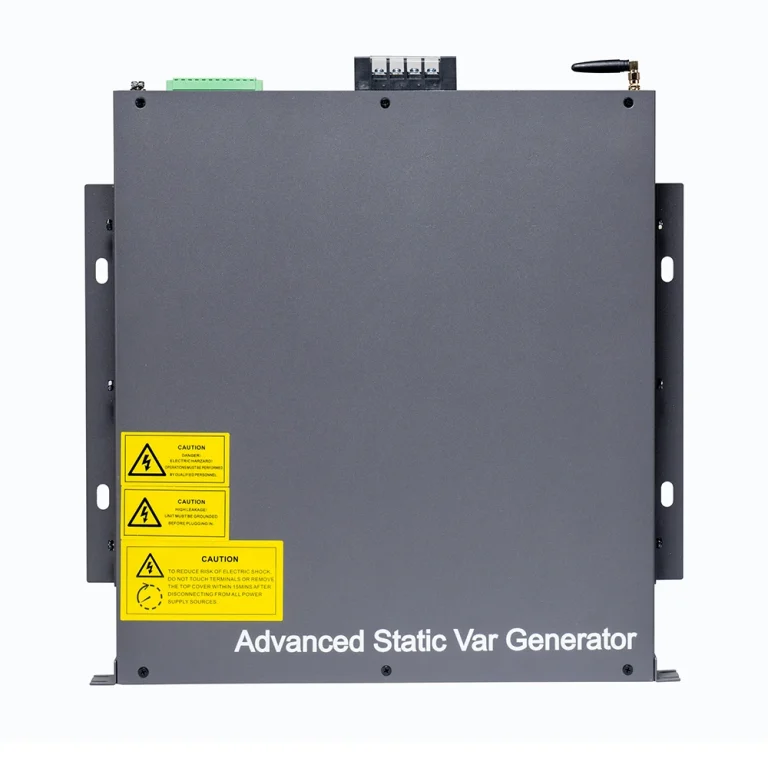
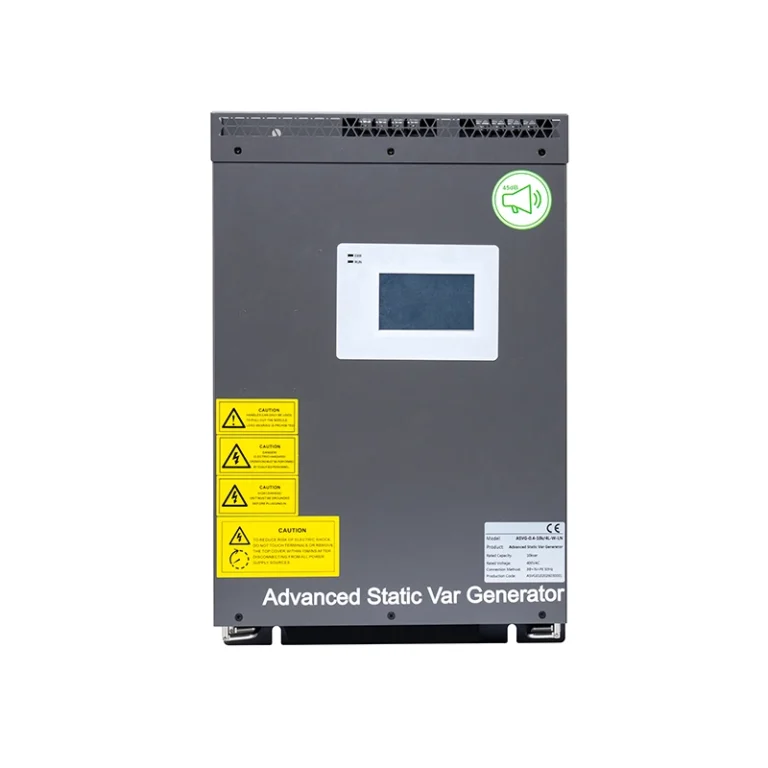
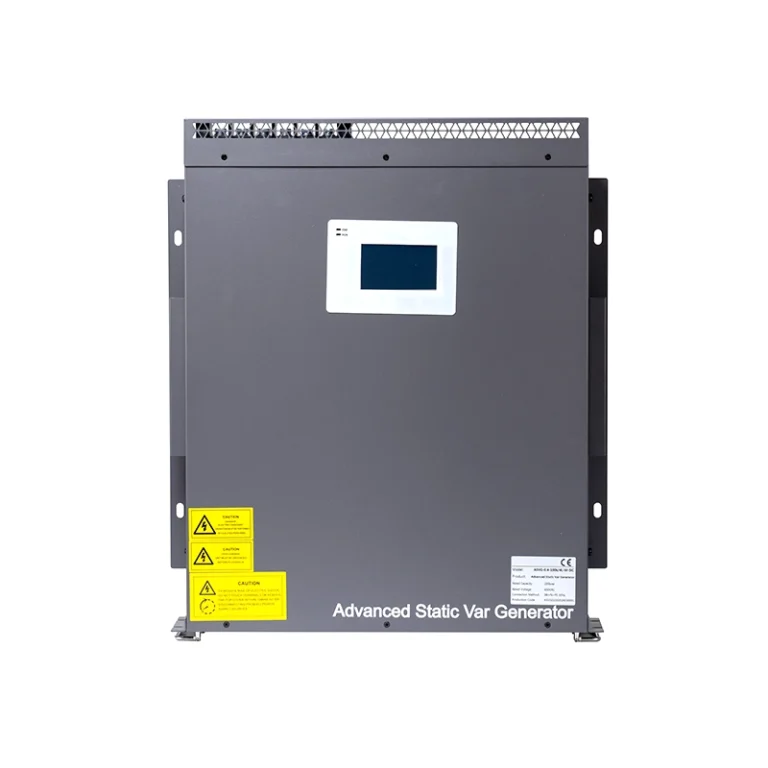
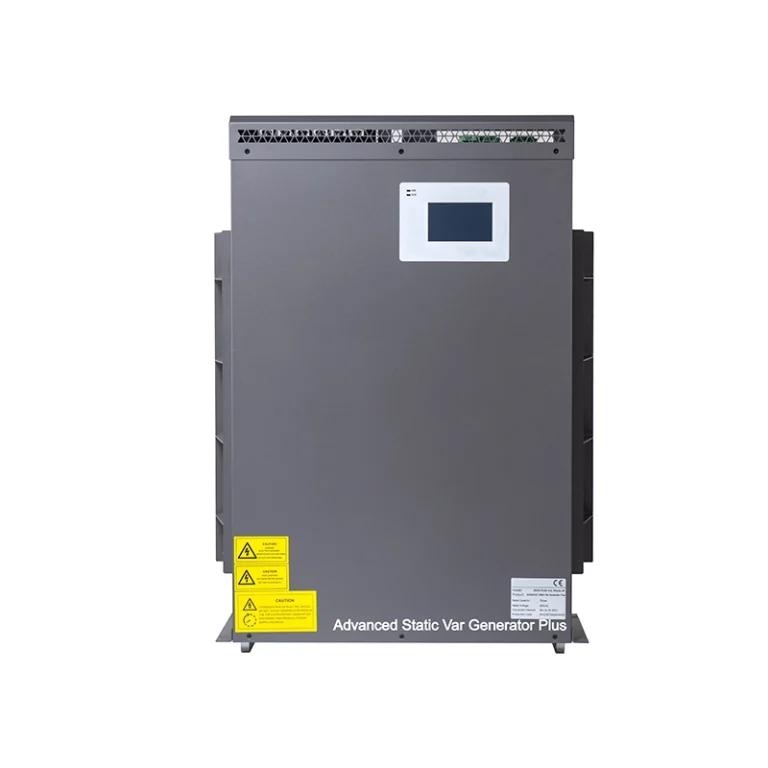
GEYA ASVG technology combines reactive power compensation, harmonic mitigation, and three-phase unbalance correction in one power quality platform.
This type of integrated approach can reduce system complexity when several power quality issues must be addressed at the same electrical point.
See the GEYA Advanced Static Var Generator (ASVG) product range for applications requiring multiple compensation functions.
How to Select the Right Power Quality Improvement Solution
Selecting power quality equipment should never begin with the product name.
It should begin with the electrical problem.
Before selecting an AHF, SVG, ASVG, or AVC system, facility engineers and electrical contractors should evaluate:
- System voltage
- Three-phase configuration
- Load type
- Load profile
- Harmonic spectrum
- THDi and THDv
- Power factor
- Reactive power demand
- Voltage fluctuation
- Three-phase imbalance
- Required compensation capacity
- Available installation space
- Communication requirements
- Environmental conditions
- Applicable electrical standards and project specifications
The following examples provide a practical starting point.

Heavy Industrial Workshop
Heavy industrial facilities commonly operate motors, welding equipment, VFDs, pumps, compressors, and other large electrical loads.
Typical problems include:
- Low power factor
- Harmonic distortion
- Rapid load changes
- Three-phase imbalance
- Transformer overload
- Voltage fluctuations
Recommended GEYA Approach: SVG + AHF
SVG can focus on dynamic reactive power compensation and power factor improvement, while AHF addresses harmonic current generated by nonlinear loads.
If several problems occur simultaneously, an ASVG may provide a more integrated approach.
Solar PV Power Plant
Solar PV systems introduce power electronics into the electrical network and can interact with the grid under changing generation conditions.
Potential issues include:
- Reactive power variation
- Voltage fluctuation
- Harmonic distortion
- Three-phase imbalance
- Grid connection requirements
Recommended GEYA Approach: SVG + AVC
SVG can provide dynamic reactive power compensation, while AVC can address voltage regulation requirements.
Where harmonic distortion and imbalance are also significant, an ASVG or combined solution may be considered.
The actual selection should be based on measured electrical conditions and the grid interconnection requirements of the project.
Smart Manufacturing Production Line
Modern smart factories can contain a large number of electronic loads operating simultaneously.
Examples include:
- CNC machines
- Servo drives
- PLC systems
- Industrial robots
- VFDs
- Automated material handling
- Machine vision systems
These loads can create complex and rapidly changing electrical conditions.
Recommended GEYA Approach: AHF or ASVG
Use AHF when harmonic distortion is the primary concern.
Consider ASVG when the facility also has reactive power and three-phase imbalance problems.
This approach is particularly suitable when the electrical load changes significantly throughout the production cycle.
Commercial Distribution System
Commercial buildings may have HVAC systems, elevators, lighting systems, data equipment, variable-speed drives, and other electronic loads.
Typical issues include:
- Low power factor
- Harmonic distortion
- Voltage fluctuation
- Unbalanced loads
Recommended GEYA Approach: SVG + AHF
For primarily reactive power problems, SVG may be sufficient.
For harmonic-heavy electrical systems, AHF can provide targeted harmonic mitigation.
If multiple problems occur at the same time, ASVG can provide a more comprehensive correction strategy.
Technical Analysis: APF vs. SVG for Industrial Power Quality
Among modern power quality technologies, Active Power Filters and Static Var Generators are two of the most commonly discussed solutions.
However, they are designed to solve different primary problems.
Understanding the difference is critical when selecting equipment.
What Is an APF?
APF stands for Active Power Filter.
In industrial power quality applications, APF technology is commonly used to detect and compensate unwanted harmonic currents.
GEYA’s Active Harmonic Filter (AHF) belongs to this active filtering technology category.
The primary objective is:
Reduce harmonic current and improve waveform quality.
An AHF continuously detects harmonic components and generates compensating current to reduce the harmonic content seen by the electrical system.
What Is an SVG?
SVG stands for Static Var Generator.
Its primary function is dynamic reactive power compensation.
The objective is:
Improve power factor and reduce unnecessary reactive current.
SVG monitors the electrical system and dynamically injects or absorbs reactive current according to the operating condition.
GEYA SVG systems are designed for dynamic compensation and can respond to rapidly changing industrial loads.

APF/AHF vs. SVG: Key Differences
| Feature | APF / AHF | SVG |
|---|---|---|
| Primary purpose | Harmonic mitigation | Reactive power compensation |
| Main target | Harmonic current | Reactive current |
| Typical KPI | THDi / harmonic distortion | Power factor / reactive power |
| Best suited for | VFDs, UPS, nonlinear loads, electronic equipment | Motors, pumps, compressors, transformers |
| Dynamic compensation | Yes | Yes |
| Power factor improvement | Secondary capability depending on configuration | Primary function |
| Harmonic compensation | Primary function | Not the primary function |
| Three-phase balancing | Available in some systems | Available in some systems |
| Voltage support | Possible indirectly | Possible through reactive compensation |
| Best choice when | Harmonics are the dominant issue | Reactive power is the dominant issue |
The important point is that APF/AHF and SVG are not direct substitutes.
If a factory has severe harmonic distortion, installing an SVG alone may not solve the harmonic problem.
Likewise, if the primary problem is low power factor caused by large inductive loads, installing an AHF alone may not be the most appropriate solution.
When Should You Use Both?
Some industrial facilities require both technologies.
For example, consider a manufacturing plant containing:
- Large induction motors
- Multiple VFDs
- Welding equipment
- Compressors
- Automated production machinery
The motors may create substantial reactive power demand, while VFDs and power electronic equipment may create harmonic currents.
In this situation:
SVG addresses reactive power.
AHF addresses harmonics.
Together, they provide a more complete power quality improvement strategy.
When harmonic distortion, reactive power, and three-phase imbalance occur together, an ASVG may provide an integrated alternative.
Maintenance Best Practices for Long-Term Power Quality Performance
Installing power quality equipment is only the beginning.
Long-term performance depends on correct commissioning, monitoring, environmental control, and preventive maintenance.
The following practices can help facility operators keep GEYA power quality equipment operating reliably.

Monitor Electrical Parameters Regularly
Do not wait until equipment trips before checking the electrical system.
Regularly monitor parameters such as:
- Voltage
- Current
- Power factor
- Reactive power
- Harmonic distortion
- Load percentage
- Equipment temperature
- Alarm status
- Communication status
Establishing baseline measurements during commissioning makes it easier to identify abnormal changes later.
Check Cooling and Ventilation
Power quality equipment contains power electronic components that generate heat during operation.
Poor ventilation can cause internal temperatures to rise and may result in thermal derating or protective shutdown.
Regularly inspect:
- Cooling fans
- Air filters
- Ventilation openings
- Cabinet airflow
- Ambient temperature
- Dust accumulation
For industrial environments with high dust levels, maintenance intervals may need to be shortened.
Keep Electrical Connections Secure
Loose electrical connections can generate heat, increase losses, and create reliability risks.
During scheduled maintenance, inspect:
- Power terminals
- Busbar connections
- Grounding connections
- Control wiring
- Communication cables
- Current transformer connections
Any abnormal discoloration, overheating, or mechanical looseness should be investigated promptly.
Maintenance should always follow the equipment manufacturer’s safety procedures and the facility’s lockout/tagout requirements.
Review Alarms Instead of Simply Resetting Them
An alarm is not necessarily a failure.
It is often an early indication that operating conditions have changed.
For example, repeated alarms may indicate:
- Excessive load
- Overtemperature
- Abnormal grid voltage
- Overcurrent
- Communication problems
- Installation issues
- Unexpected harmonic conditions
Repeatedly resetting alarms without investigating the cause can allow a developing problem to become a larger failure.
Verify Compensation Performance
Power quality equipment should be evaluated based on the actual electrical results, not simply whether the device is powered on.
After commissioning and during periodic maintenance, compare:
Before installation → After installation → Current operating condition
Useful indicators may include:
- THDi
- THDv
- Power factor
- Reactive power
- Voltage stability
- Three-phase imbalance
- Transformer loading
- Equipment operating temperature
For projects designed around a specific harmonic requirement, measurements at the relevant PCC should be used to verify performance.
Reevaluate the System After Major Load Changes
Industrial facilities rarely remain electrically unchanged.
A factory may add:
- New VFDs
- New production lines
- Additional EV chargers
- Solar PV systems
- Battery storage
- New compressors
- Additional HVAC equipment
- New automation systems
A power quality solution that was correctly sized five years ago may no longer be optimal after a major expansion.
Whenever the electrical load changes significantly, the power quality system should be reassessed.
Conclusion: Build a More Reliable Electrical System with the Right Power Quality Strategy
Power quality improvement should not be treated as a single equipment purchase.
It should be approached as an electrical system optimization strategy.
The right solution begins with identifying the actual problem:
- Harmonic distortion → AHF / APF
- Low power factor and reactive power → SVG
- Multiple power quality problems → ASVG
- Voltage instability → AVC
- Combined problems → Integrated power quality solution
For industrial facilities, the ultimate objective is not simply to achieve a better electrical measurement.
The objective is to create an electrical environment that supports:
Stable production.
Lower electrical losses.
Better equipment reliability.
Reduced maintenance risk.
More predictable operating costs.
GEYA provides a complete portfolio of power quality management technologies, including Active Harmonic Filters, Static Var Generators, Advanced Static Var Generators, and Automatic Voltage Control systems.
The correct equipment, however, should always be selected according to the actual electrical conditions of the project.
Before choosing a power quality solution, GEYA recommends evaluating the system voltage, load profile, harmonic spectrum, power factor, reactive power demand, voltage stability, three-phase balance, installation conditions, and required performance at the relevant electrical connection point.
For facilities experiencing harmonic distortion, low power factor, voltage fluctuations, or multiple power quality problems, a properly engineered solution can turn an unstable electrical system into a more reliable foundation for production.
Need Help Selecting the Right Power Quality Solution?
Every industrial electrical system is different.
If your facility is experiencing harmonic distortion, low power factor, voltage fluctuations, three-phase imbalance, or repeated electrical equipment trips, GEYA can help evaluate your application and identify an appropriate power quality improvement approach.
Share your electrical system requirements with the GEYA team to discuss the right AHF, SVG, ASVG, or AVC solution for your project.
Frequently Asked Questions
What is power quality improvement?
Power quality improvement is the process of identifying and correcting electrical problems such as harmonic distortion, low power factor, reactive power, voltage fluctuations, and three-phase imbalance to improve the stability, efficiency, and reliability of an electrical system.
What is the best solution for harmonic distortion?
An Active Harmonic Filter (AHF), also commonly referred to as an Active Power Filter (APF), is designed specifically to detect and compensate harmonic currents in real time. The appropriate capacity and configuration should be determined from measured harmonic conditions and the electrical system design.
What is the difference between APF and SVG?
APF/AHF primarily addresses harmonic currents, while SVG primarily provides dynamic reactive power compensation and power factor correction. They solve different electrical problems and may be used together when both harmonics and reactive power are significant.
Can SVG reduce harmonics?
SVG’s primary purpose is reactive power compensation rather than harmonic filtering. If harmonic distortion is a significant problem, an AHF or an integrated ASVG solution may be more appropriate depending on the measured conditions.
When should I use an ASVG instead of an AHF or SVG?
ASVG is worth considering when an electrical system has multiple power quality problems at the same time, such as reactive power demand, harmonic distortion, and three-phase imbalance.
How do I know which power quality solution my factory needs?
Start with an electrical assessment. Measure voltage, current, power factor, reactive power, THDi, THDv, load imbalance, and load variation. The measured results can then be matched to the appropriate AHF, SVG, ASVG, or AVC technology.
Does power quality improvement reduce energy consumption?
Power quality improvement can reduce certain electrical losses by lowering unnecessary reactive current and harmonic current. The actual energy savings depend on the facility’s electrical configuration, load profile, operating hours, and the specific power quality problems being corrected.
Why is power quality important for manufacturing?
Manufacturing equipment increasingly depends on power electronics and sensitive control systems. Poor power quality can contribute to overheating, nuisance trips, equipment stress, production interruptions, and reduced electrical system capacity. Improving power quality helps create a more stable environment for industrial production.
Recommended GEYA Power Quality Solutions
Active Harmonic Filter (AHF)
For harmonic mitigation and nonlinear loads.
Static Var Generator (SVG)
For dynamic reactive power compensation and power factor improvement.
Advanced Static Var Generator (ASVG)
For combined harmonic compensation, reactive power compensation, and three-phase imbalance correction.
Automatic Voltage Control (AVC)
For applications where voltage regulation and voltage stability are primary concerns.
Integrated Power Quality Management
For industrial facilities experiencing multiple electrical problems that require a coordinated solution.
“`