
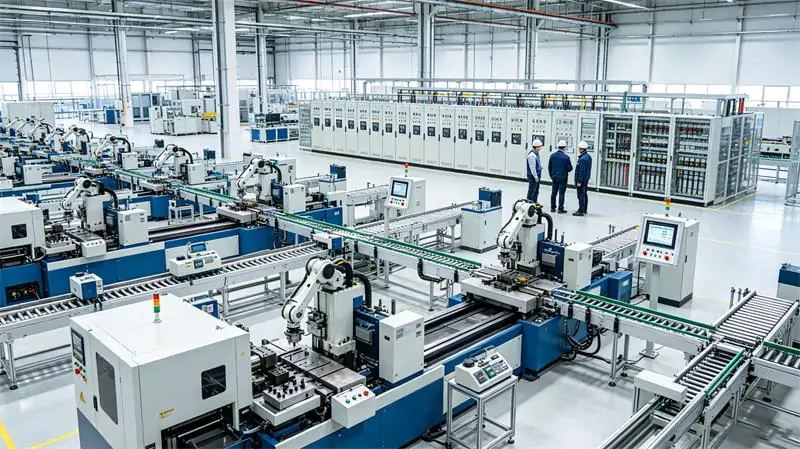
Modern industrial facilities rely heavily on stable and reliable electrical power. From automated manufacturing lines and robotic systems to data centers and renewable energy installations, electrical equipment performance directly depends on the quality of the power supply.However, many factories experience hidden electrical problems such as
voltage fluctuations, harmonic distortion, poor power factor, and unstable reactive power.
These power quality issues may not always cause immediate failures, but they gradually reduce equipment lifespan, increase energy costs, and create unexpected production risks.
Why Power Quality Matters for Modern Industrial Operations
A stable electrical environment is the foundation of efficient industrial production. Poor power quality can affect everything from sensitive control systems to large industrial motors.
By implementing professional industrial power quality solutions, companies can achieve three major benefits:
1. Ensure Long-Term Equipment Reliability
Modern factories use advanced equipment including PLC control systems, CNC machines, automated production robots, variable frequency drives (VFDs), and precision measurement devices.
These systems require stable voltage and clean electrical waveforms. Even short-duration voltage disturbances or harmonic interference can cause:
- Unexpected equipment shutdowns
- Control system errors
- Motor overheating
- Reduced equipment service life
Maintaining good power quality helps industrial equipment operate under optimal conditions and reduces the frequency of unexpected maintenance.
2. Reduce Energy Consumption and Operating Costs
Electrical inefficiency is often caused by hidden power quality problems. Poor power factor, excessive harmonics, and unnecessary reactive power increase system losses.
For large industrial facilities, these inefficiencies may lead to:
- Higher electricity bills
- Increased transformer losses
- Additional heat generation in cables and electrical equipment
- Reduced distribution system capacity
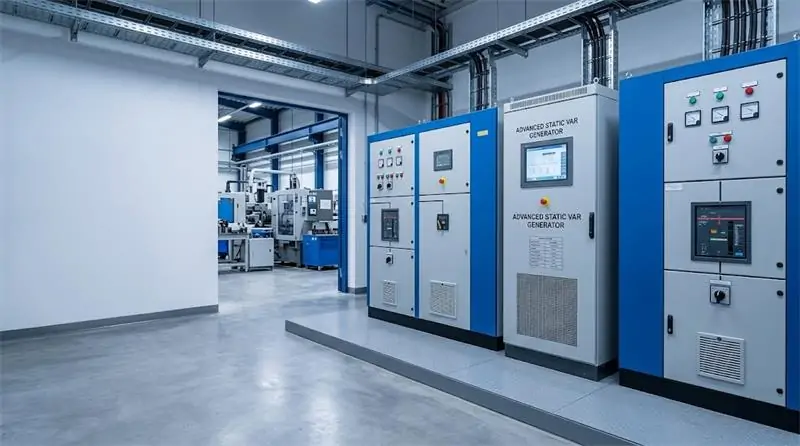
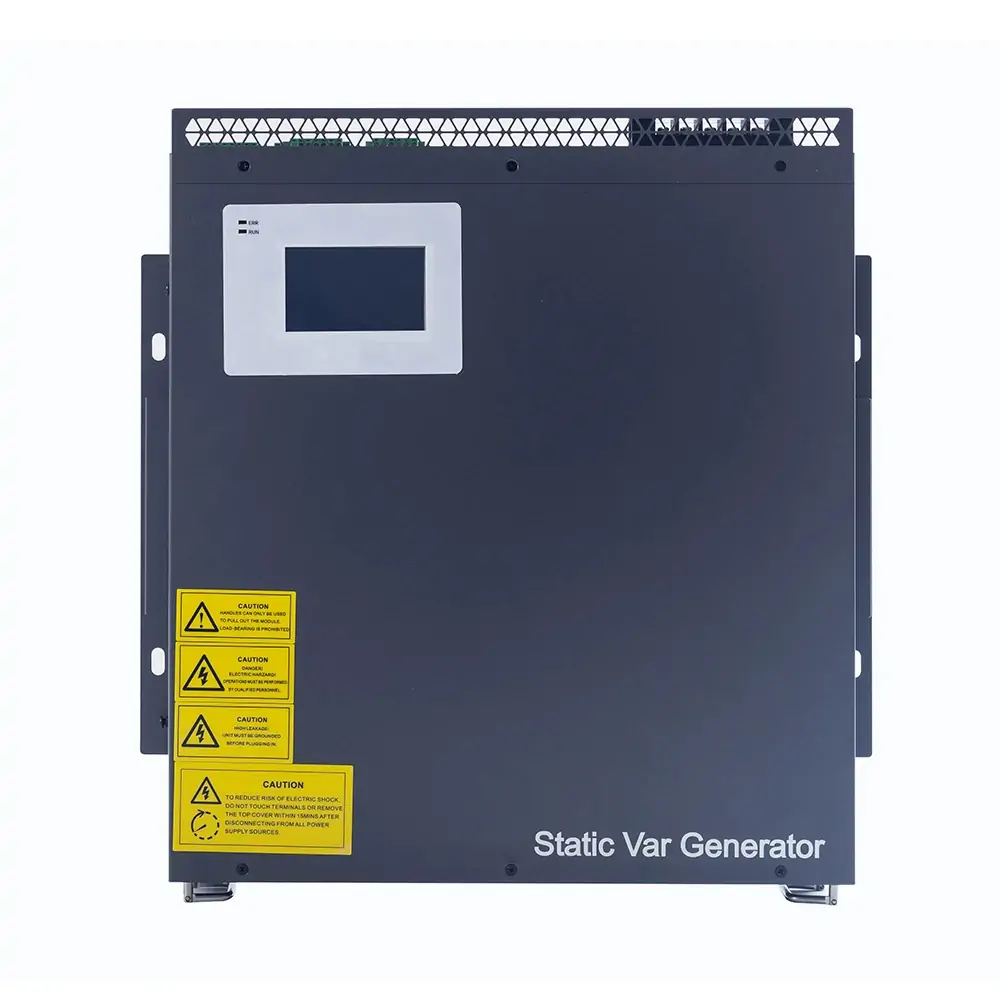
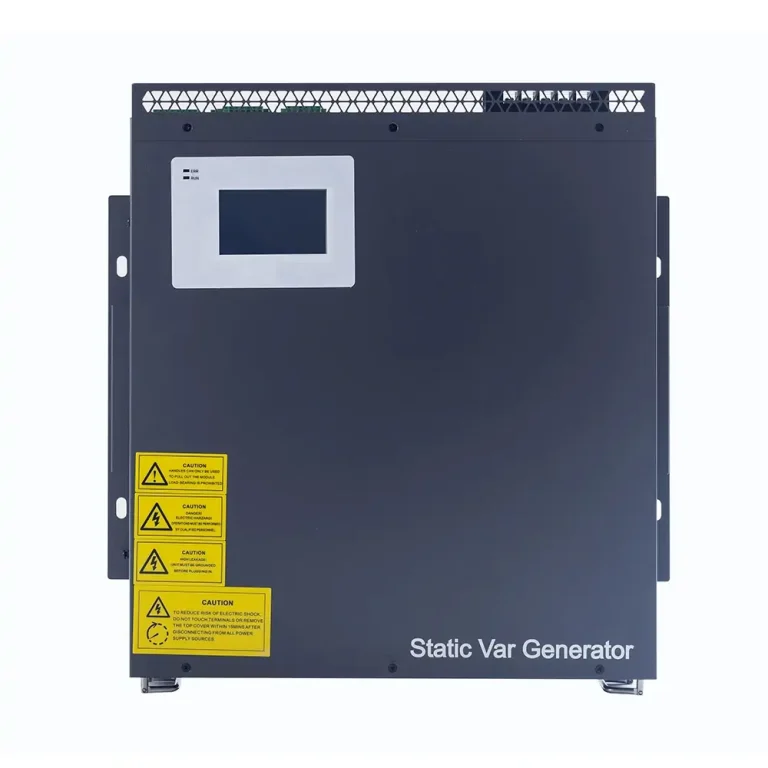
Solutions such as reactive power compensation systems, Static Var Generators (SVG), and Active Harmonic Filters (AHF) help improve energy efficiency and optimize electrical system performance.
3. Prevent Electrical Failures and Production Downtime
In industrial environments, unexpected downtime can result in significant financial losses. A production line interruption caused by unstable power supply may affect delivery schedules, product quality, and customer satisfaction.
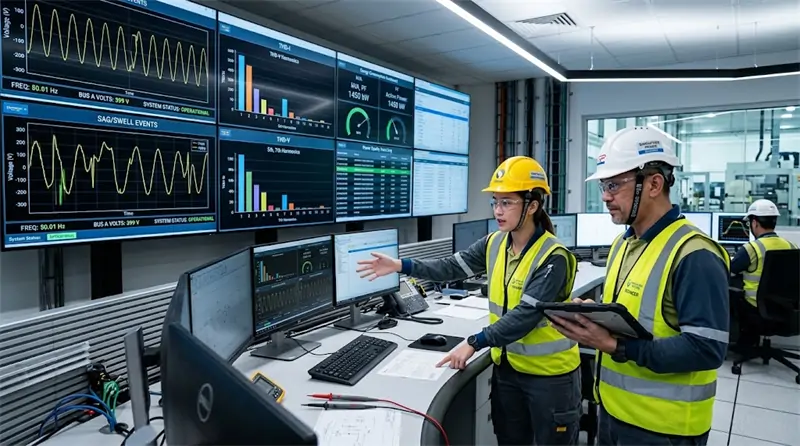
Professional power quality monitoring and correction systems allow companies to identify electrical problems before they become major failures.
What Are Power Quality Problems?
Power quality problems refer to any abnormal condition in an electrical power system that affects the normal operation of electrical equipment.
According to electrical engineering standards, ideal power should provide a stable voltage level, correct frequency, and a clean sinusoidal waveform. However, real-world industrial environments are much more complicated.
Large motors, welding equipment, variable speed drives, renewable energy systems, and switching power supplies can introduce disturbances into electrical networks.
Common Causes of Industrial Power Quality Problems
Industrial electrical systems often experience power quality issues due to several factors:
- Heavy inductive loads: Motors, compressors, pumps, and industrial machinery consume reactive power and may reduce system power factor.
- Power electronic equipment: Variable frequency drives, UPS systems, and inverters generate harmonic currents that distort electrical waveforms.
- Unbalanced electrical loads: Uneven distribution between three-phase circuits can create voltage imbalance and additional losses.
- Renewable energy integration: Solar PV systems and energy storage equipment require advanced protection and power quality management.
- Grid disturbances: Utility switching operations, short circuits, and external grid events can create voltage variations.
The Growing Importance of Power Quality Management in Industrial Facilities
Industrial electrical systems are becoming more complex as factories adopt automation, smart manufacturing, and renewable energy technologies.
In the United States and other developed industrial markets, manufacturers increasingly focus on improving electrical reliability because downtime directly affects production efficiency and profitability.
For example, a semiconductor manufacturing facility may require extremely stable voltage conditions because even a small disturbance can damage sensitive production processes. Similarly, automotive factories depend on reliable power quality to keep robotic assembly systems operating continuously.
Therefore, modern industrial facilities need a complete approach that combines:
- Power quality monitoring
- Electrical protection devices
- Reactive power compensation
- Harmonic filtering technology
- Preventive maintenance strategies
As a professional electrical solution provider, GEYA provides reliable power quality improvement products designed to help industrial users create safer, more efficient, and more stable electrical systems.
Conclusion: Power Quality Is the Foundation of Industrial Efficiency
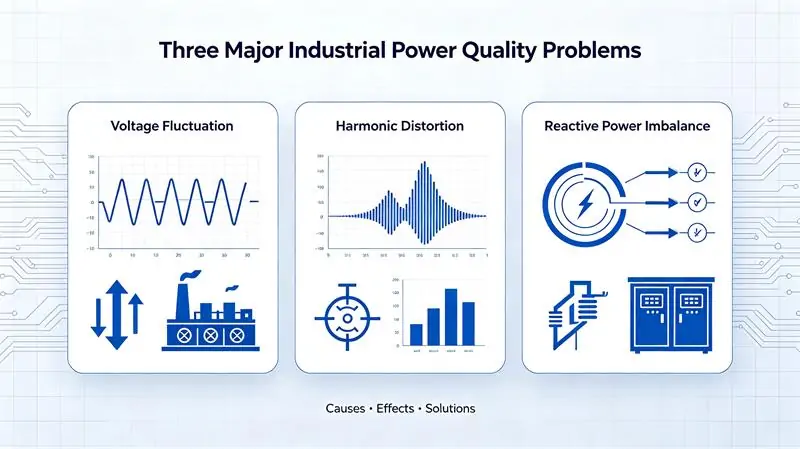
Power quality problems may appear invisible, but their impact on industrial operations is significant. Voltage instability, harmonic distortion, and reactive power issues can reduce equipment performance, increase energy costs, and create production risks.
By understanding the causes and effects of power quality problems, industrial companies can select the right technologies to improve electrical reliability.
In the following sections, we will explore the most common industrial power quality problems in detail, including voltage fluctuations, harmonic distortion, and reactive power abnormalities, along with practical solutions for different industrial applications.
Common Industrial Power Quality Problems: Causes, Effects, and Solutions
Industrial electrical systems face various power quality challenges due to complex operating environments, high-power equipment, and increasing automation requirements. Among all power quality issues, three problems appear most frequently in industrial applications:
- Voltage fluctuations and voltage instability
- Harmonic distortion caused by nonlinear loads
- Reactive power problems and poor power factor
Understanding these issues allows engineers and facility managers to select the right industrial power quality solutions and prevent unnecessary equipment failures and energy losses.
1. Voltage Fluctuations and Voltage Instability
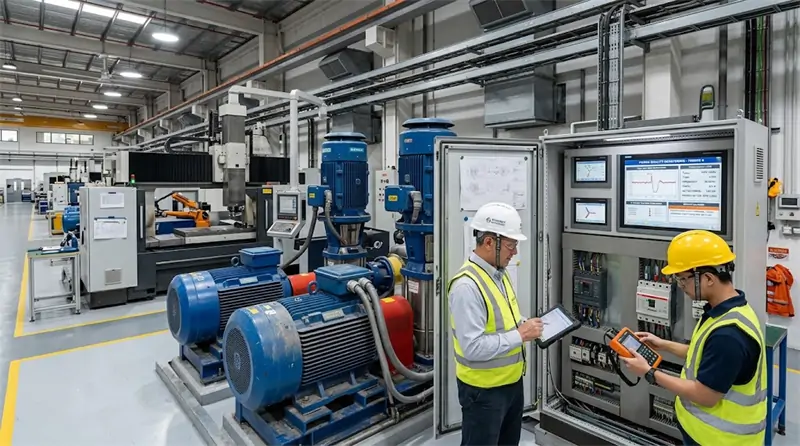
Voltage fluctuation is one of the most common power quality problems in industrial environments. It occurs when the supply voltage continuously changes beyond acceptable limits, affecting the normal operation of electrical equipment.
Industrial facilities with large motors, compressors, welding machines, cranes, and heavy machinery are especially vulnerable to voltage variations because these devices create sudden changes in electrical demand.
Common Causes of Voltage Fluctuations
Several factors can cause unstable voltage conditions in industrial power systems:
- Large motor starting currents: When high-power motors start, they can draw several times their rated current, causing temporary voltage drops.
- Heavy industrial loads switching on and off: Equipment such as compressors, pumps, and production machines create sudden load changes.
- Weak electrical distribution systems: Long cable distances, insufficient transformer capacity, or overloaded feeders can reduce voltage stability.
- External grid disturbances: Utility switching operations or faults in the power grid can affect industrial facilities.
Effects of Voltage Fluctuations on Industrial Equipment
Although voltage changes may only last for milliseconds or seconds, the consequences can be significant in modern automated factories.
- PLC and control system failures: Sensitive automation equipment may restart or lose communication during voltage disturbances.
- Motor overheating: Unstable voltage increases motor stress and reduces operational efficiency.
- Production interruptions: Automated production lines may stop unexpectedly, causing material waste and delivery delays.
- Reduced equipment lifespan: Repeated voltage stress accelerates aging of electrical components.
Industrial Solutions for Voltage Stability
To improve voltage stability, industrial users should combine proper system design with advanced electrical protection technologies.
- Install appropriate voltage monitoring equipment to identify abnormal conditions.
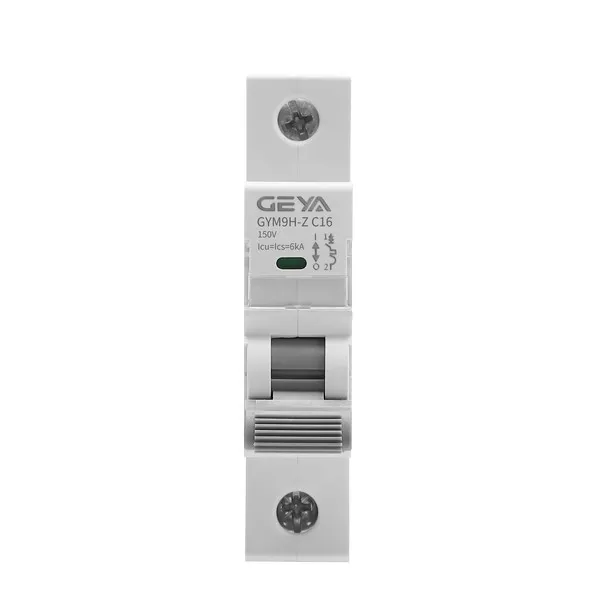
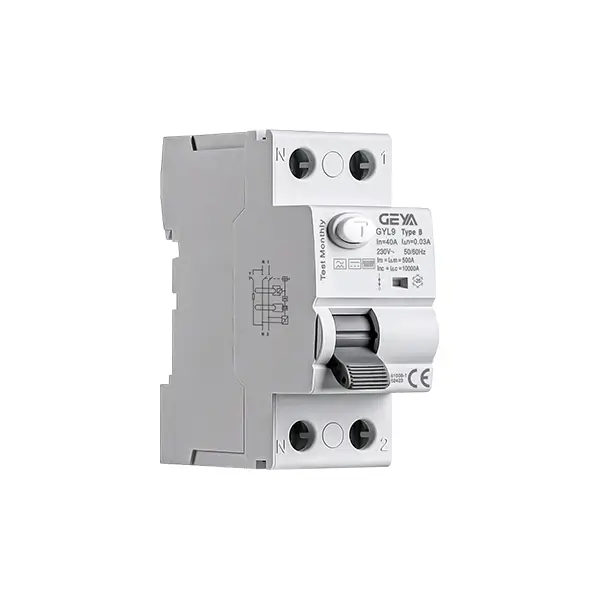
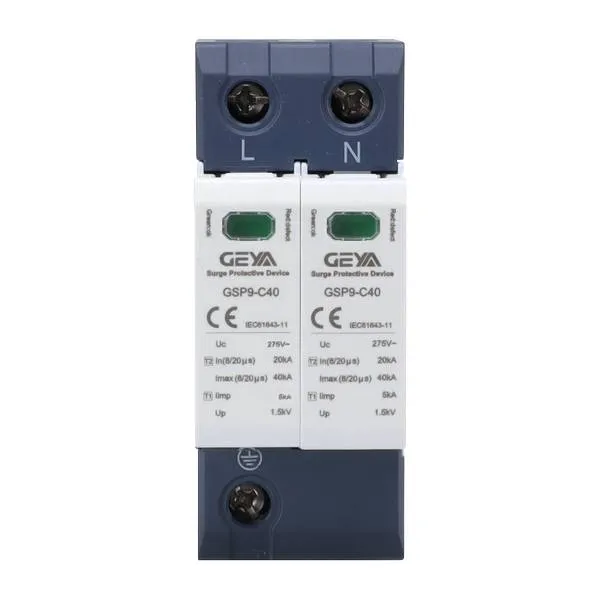
- Use reliable protection devices such as low voltage circuit breakers and surge protection devices.
- Apply Static Var Generators (SVG) to improve voltage regulation in systems affected by reactive power fluctuations.
- Optimize transformer capacity and distribution system design.
2. Harmonic Distortion in Industrial Electrical Systems
Harmonic distortion has become an increasingly serious power quality issue as factories adopt more power electronic equipment.
Unlike traditional electrical loads, modern devices such as variable frequency drives (VFDs), UPS systems, solar inverters, and switching power supplies consume electricity in a non-linear way. These devices generate harmonic currents that distort the normal sinusoidal waveform.
What Causes Harmonic Distortion?
The main sources of industrial harmonic problems include:
- Variable Frequency Drives (VFDs): Widely used for motor speed control but can introduce significant harmonic currents into electrical systems.
- Industrial rectifiers: Common in manufacturing equipment, welding machines, and battery charging systems.
- UPS systems: Critical power backup equipment may generate harmonic distortion when supplying nonlinear loads.
- Solar PV inverters: Renewable energy systems require proper harmonic management to maintain grid compatibility.
Effects of Harmonic Distortion on Industrial Facilities
Excessive harmonics can create hidden risks throughout an electrical distribution system.
- Transformer overheating: Harmonic currents increase additional losses and reduce transformer efficiency.
- Cable overheating: Increased current flow causes higher thermal stress and energy losses.
- Motor vibration and reduced efficiency: Harmonics create additional electromagnetic stress on motors.
- Control system interference: Harmonic noise may affect sensitive automation and communication systems.
- Premature capacitor failure: Harmonics can damage traditional power factor correction equipment.
Industrial Solutions for Harmonic Problems
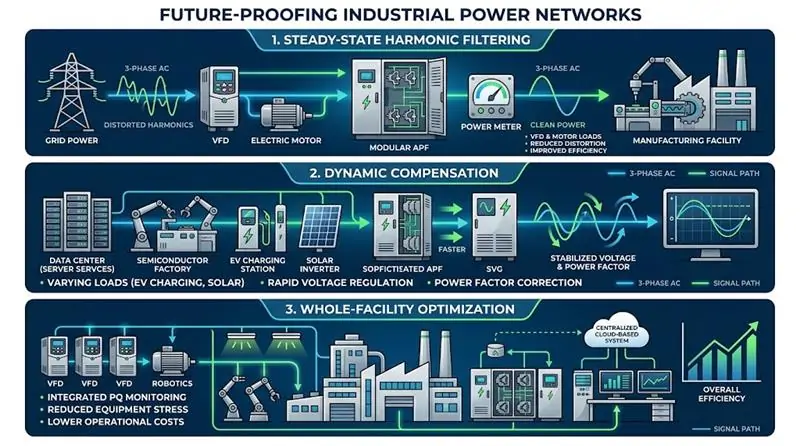
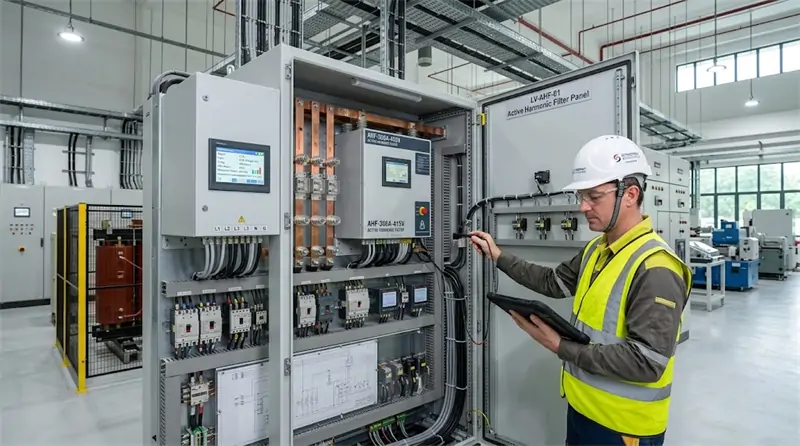
The most effective solution for harmonic problems is real-time harmonic compensation technology.
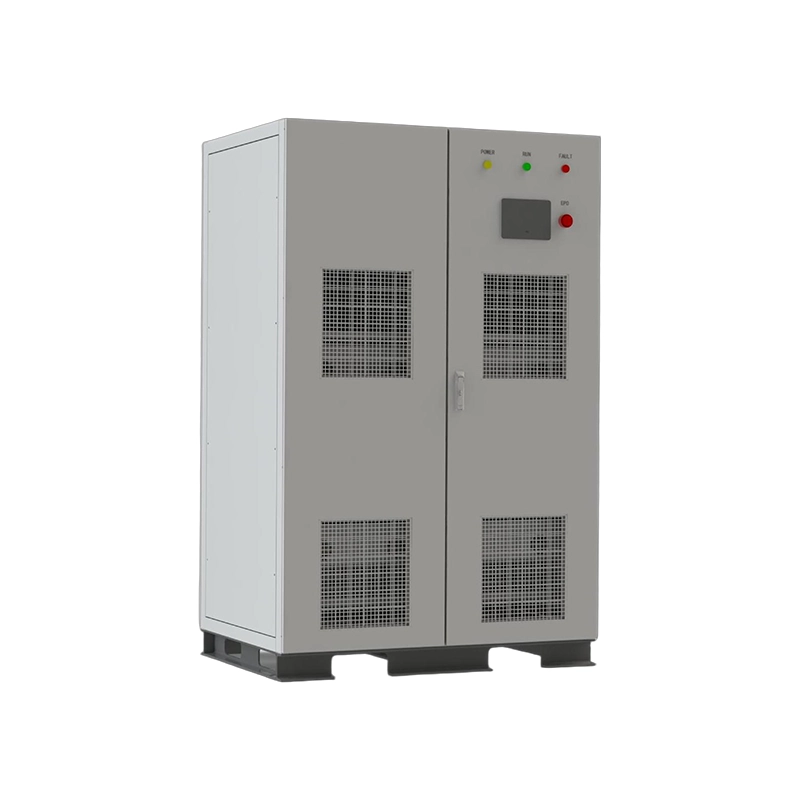
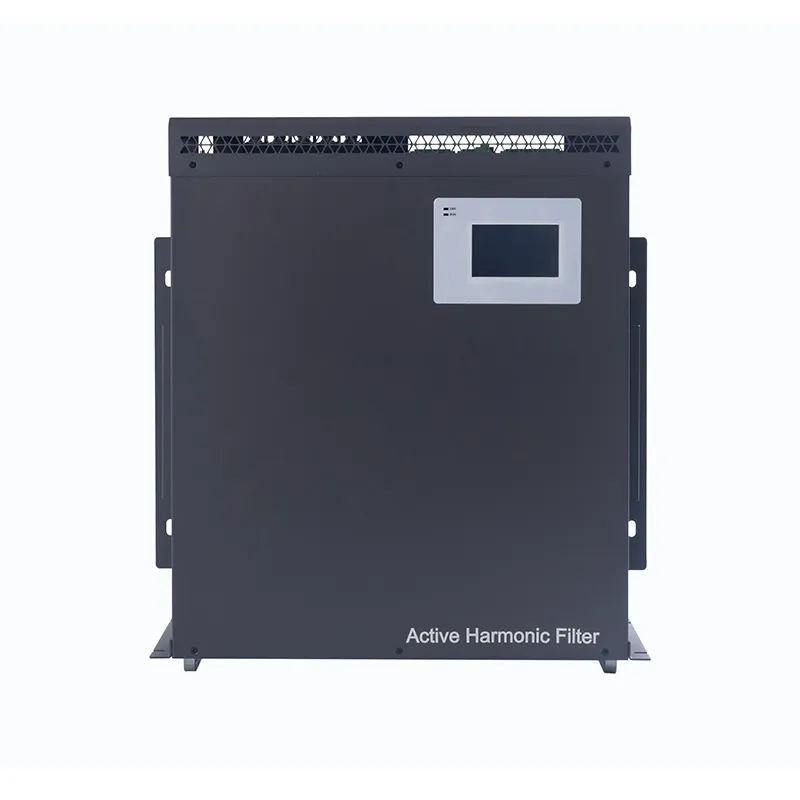
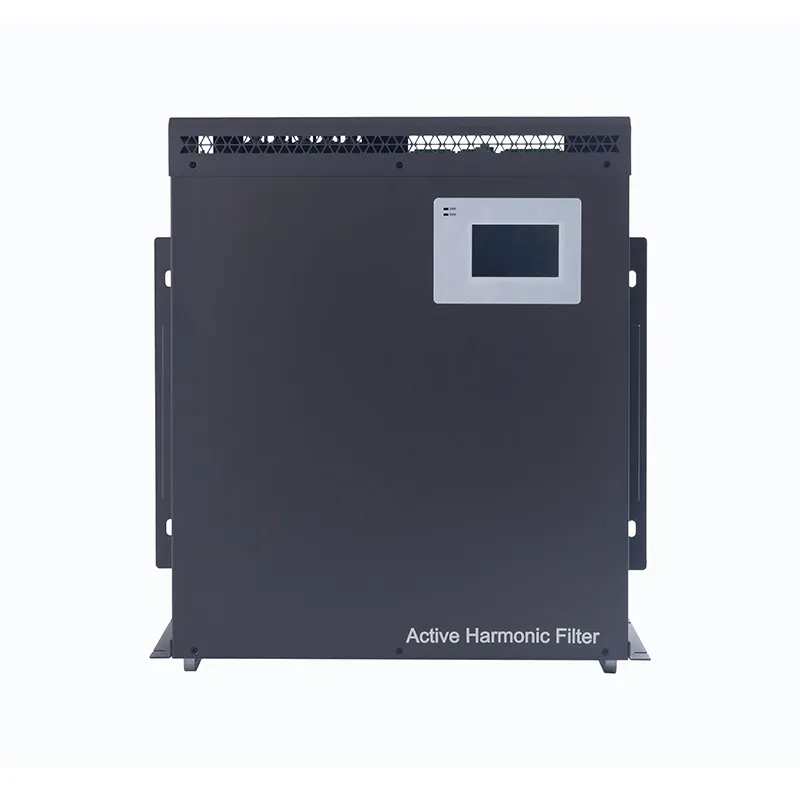
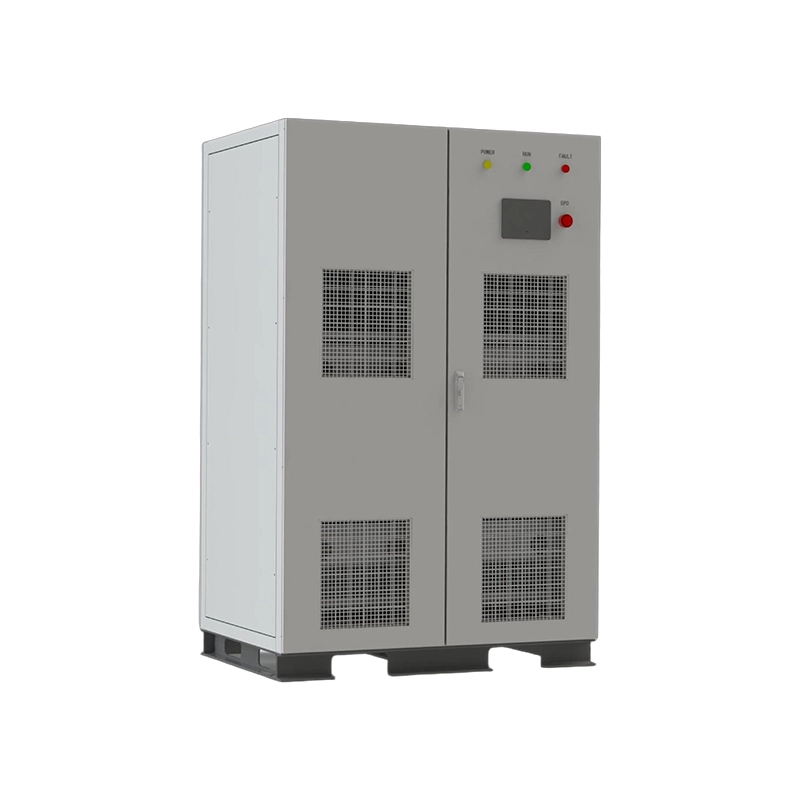
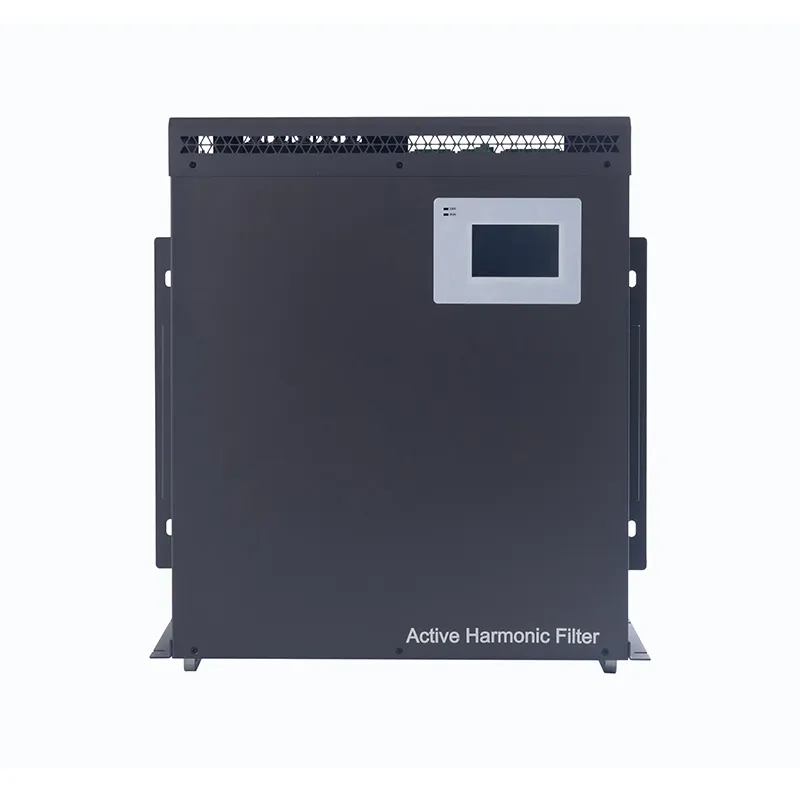
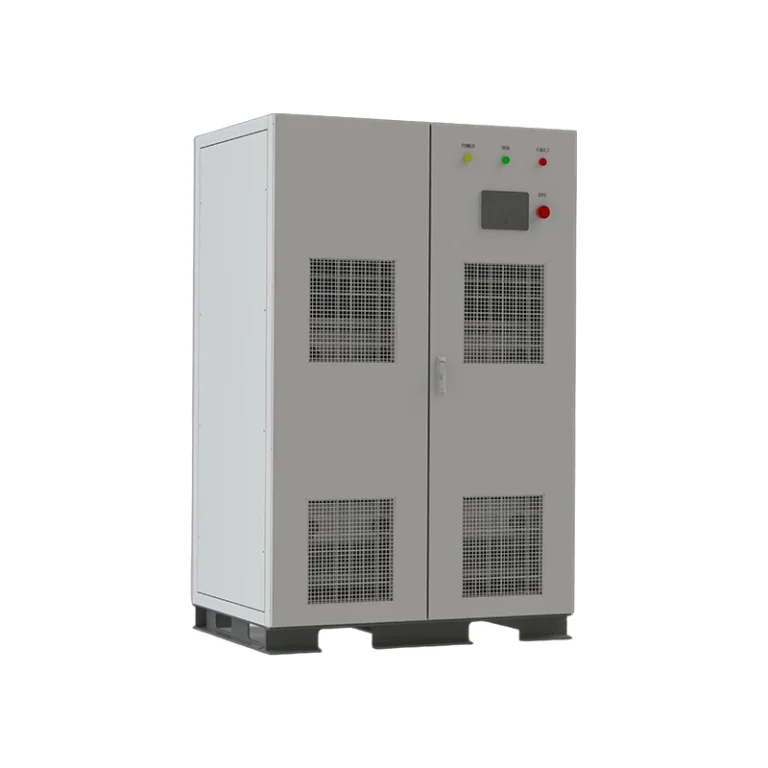
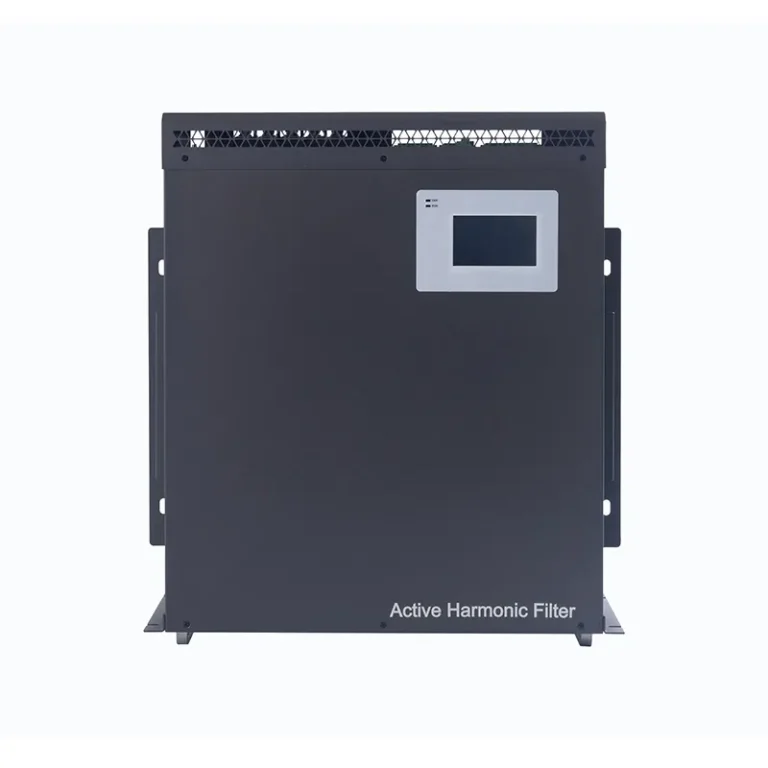
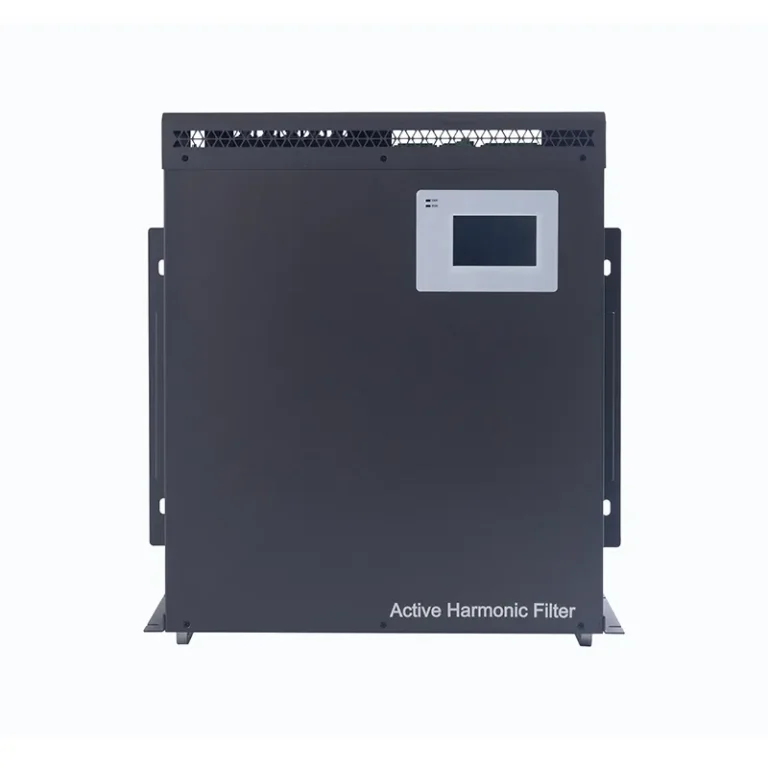
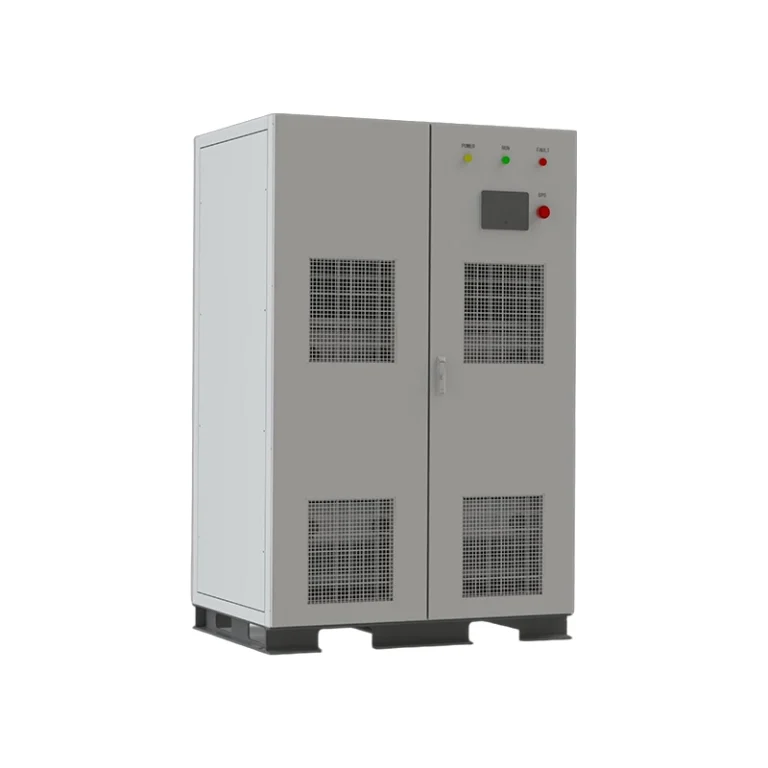
Active Harmonic Filters (AHF/APF) analyze harmonic currents and generate opposite compensation currents to cancel unwanted distortion.
Benefits include:
- Real-time harmonic correction
- Improved power waveform quality
- Reduced equipment heating
- Better electrical system reliability
- Extended service life of industrial equipment
3. Reactive Power Problems and Poor Power Factor
Reactive power problems are another major challenge affecting industrial electrical efficiency. Many industrial machines require magnetic fields to operate, which creates reactive power demand.
Equipment such as motors, transformers, compressors, and welding machines typically consume both active power and reactive power.
While reactive power does not perform useful mechanical work, excessive reactive power increases current flow through the electrical system.
Causes of Reactive Power Problems
- Large inductive motors: Manufacturing facilities with many motors often experience low power factor conditions.
- Heavy machinery operation: Industrial production equipment creates fluctuating reactive power demand.
- Insufficient compensation systems: Traditional capacitor banks may not respond quickly enough to dynamic loads.
Effects of Poor Power Factor in Industrial Facilities
- Higher electricity costs due to utility penalties
- Reduced transformer and cable capacity
- Increased electrical losses
- Voltage instability under heavy loads
- Lower overall energy efficiency
Solutions for Reactive Power Compensation
Modern industrial facilities increasingly use dynamic compensation technologies instead of traditional fixed compensation methods.
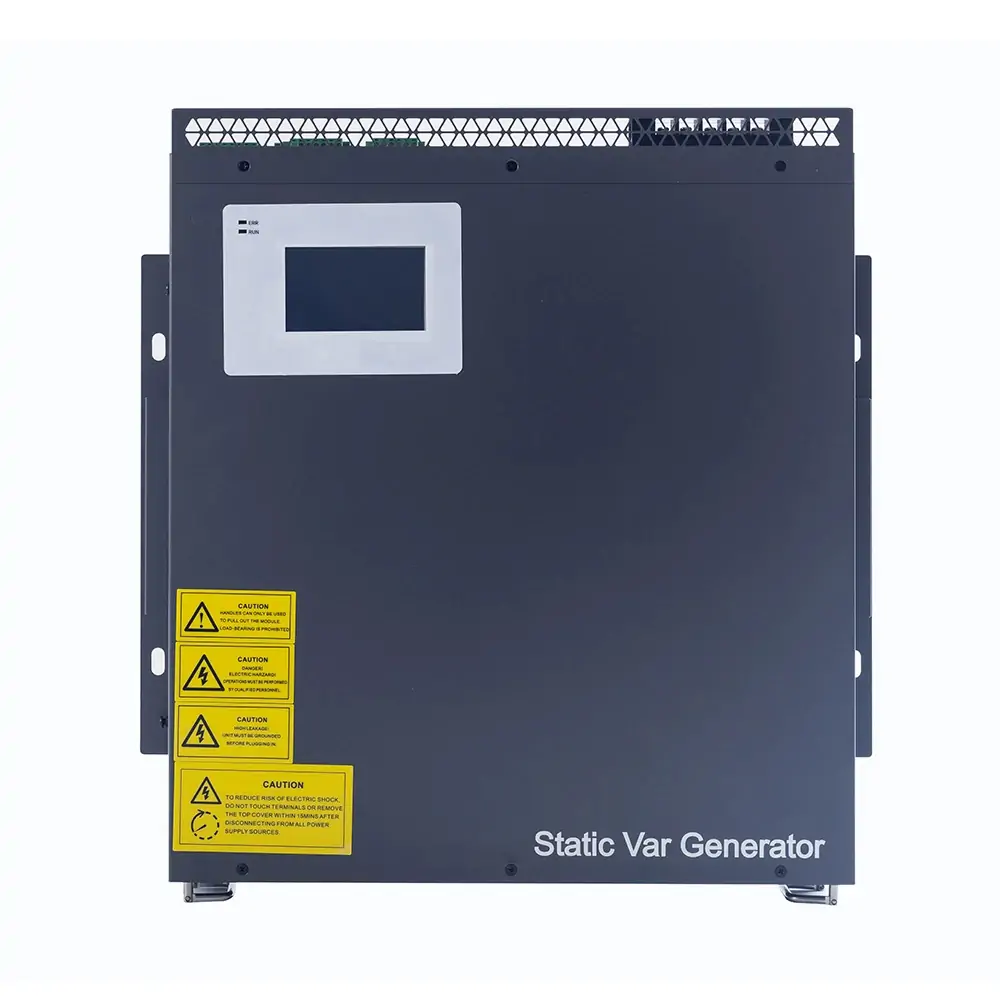
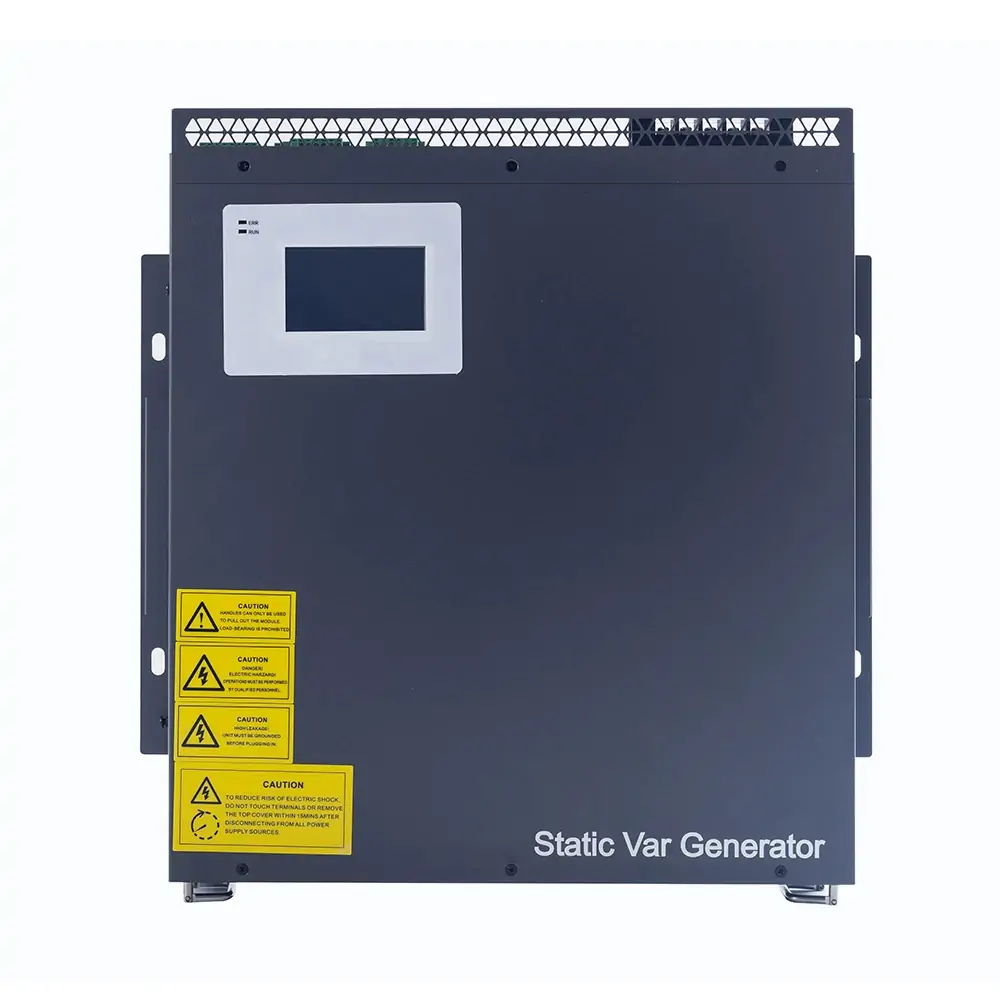
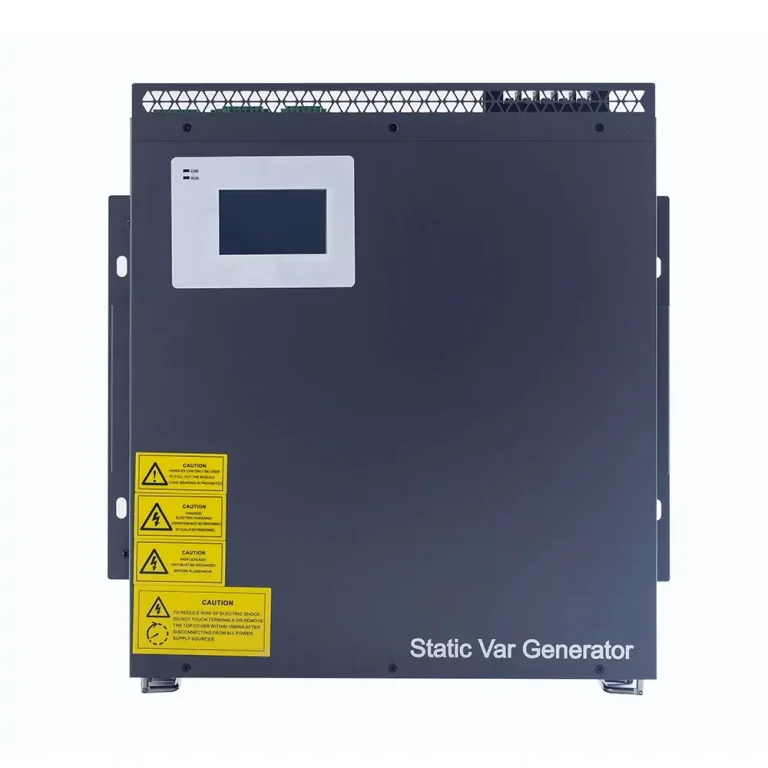
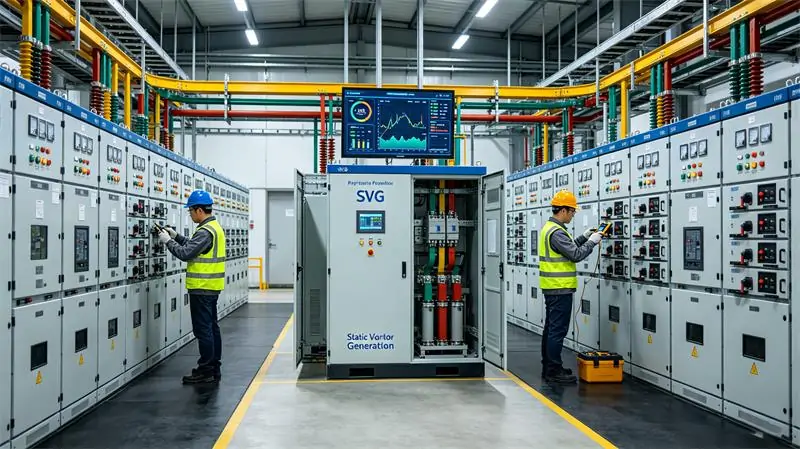
Static Var Generators (SVG) provide fast and precise reactive power compensation by automatically adjusting compensation output according to real-time load conditions.
Compared with conventional capacitor banks, SVG technology provides:
- Faster response speed
- Better compensation accuracy
- Stable performance under rapidly changing loads
- Improved power factor and reduced energy losses
Summary of Major Industrial Power Quality Problems
| Power Quality Problem | Main Causes | Industrial Effects | Recommended Solutions |
|---|---|---|---|
| Voltage Fluctuation | Motor starting, unstable loads, weak distribution systems | Equipment shutdown, production interruption, reduced lifespan | Voltage monitoring, protection devices, SVG solutions |
| Harmonic Distortion | VFDs, UPS systems, inverters, nonlinear loads | Equipment overheating, losses, control interference | Active Harmonic Filter (AHF/APF) |
| Reactive Power Problems | Motors, transformers, inductive loads | Higher energy costs, reduced system capacity | SVG and reactive power compensation systems |
Industrial companies should evaluate their electrical environment carefully before selecting power quality equipment. The correct solution depends on load characteristics, operating conditions, and future expansion requirements.
Industrial Power Quality Solutions: How to Select the Right Equipment
Selecting the correct industrial power quality solution requires a clear understanding of the electrical environment, equipment characteristics, and operational requirements.
Different industries face different power quality challenges. A manufacturing factory may focus on reducing harmonics and protecting automation systems, while a solar power plant may require reliable DC protection and grid-friendly energy conversion.
The following section provides practical recommendations for selecting suitable power quality and electrical protection solutions for different industrial applications.
Power Quality Solutions for Different Industrial Applications
1. Manufacturing Factory Power Quality Solutions
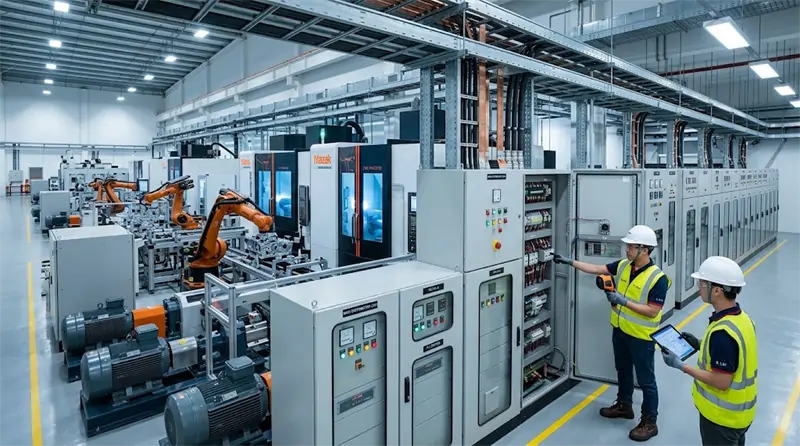
Modern manufacturing facilities rely heavily on automated equipment, including CNC machines, robotic systems, PLC controllers, and variable frequency drives.
These systems require stable electrical conditions because even a short power disturbance can interrupt production processes and create significant financial losses.
Common Power Quality Challenges in Manufacturing Plants
- Voltage drops caused by large motor starting currents
- Harmonic distortion from variable frequency drives and automation equipment
- Poor power factor caused by motors and inductive loads
- Electrical noise affecting sensitive control systems
Recommended Solutions for Manufacturing Facilities
- Static Var Generator (SVG): Improves power factor, stabilizes reactive power, and reduces electrical losses.
- Active Harmonic Filter (AHF/APF): Removes harmonic distortion generated by nonlinear industrial loads.
- Low Voltage Protection Devices: Protect electrical equipment from overload, short circuit, and abnormal operating conditions.
- Power Quality Monitoring Systems: Provide real-time information about voltage, current, harmonics, and energy consumption.
For factories adopting Industry 4.0 technologies, maintaining excellent power quality is essential for improving automation reliability and production efficiency.
2. Solar PV Power Plant and Renewable Energy Solutions
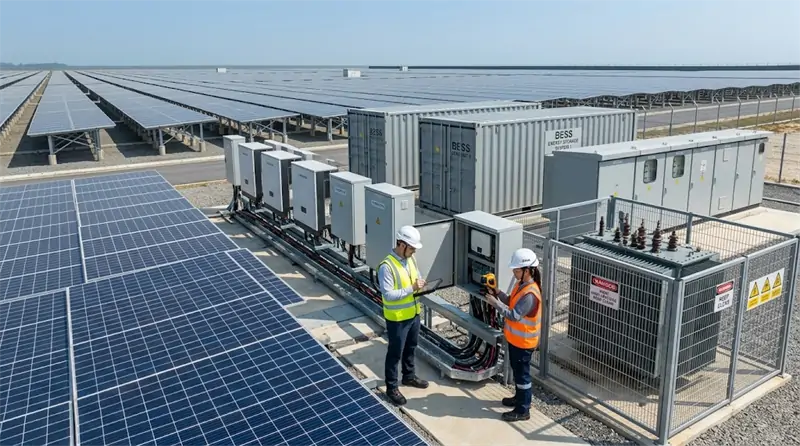
The rapid growth of renewable energy has introduced new challenges for electrical systems. Solar photovoltaic (PV) projects require reliable protection and power quality management to ensure safe and stable operation.
Common Challenges in Solar Energy Systems
- DC arc and overcurrent risks
- Harmonic generation from solar inverters
- Voltage fluctuations caused by changing solar output
- Grid connection requirements and power quality standards
Recommended Solutions for Solar Applications
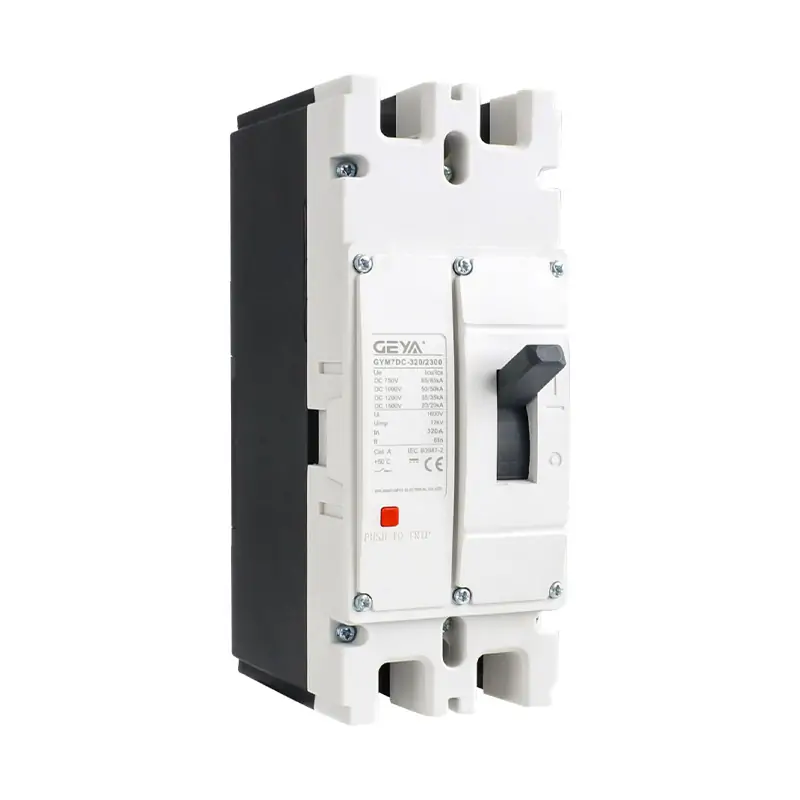
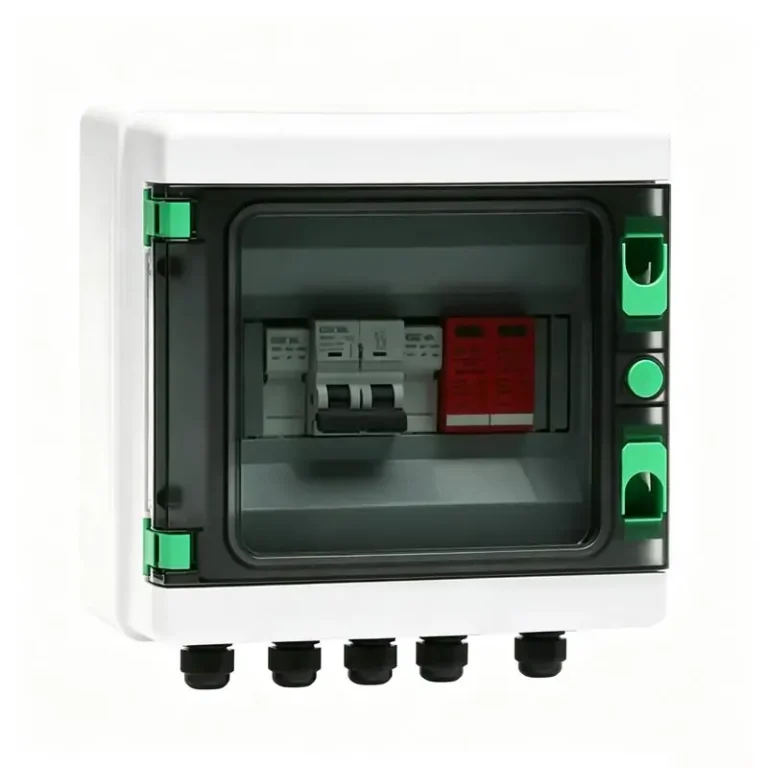
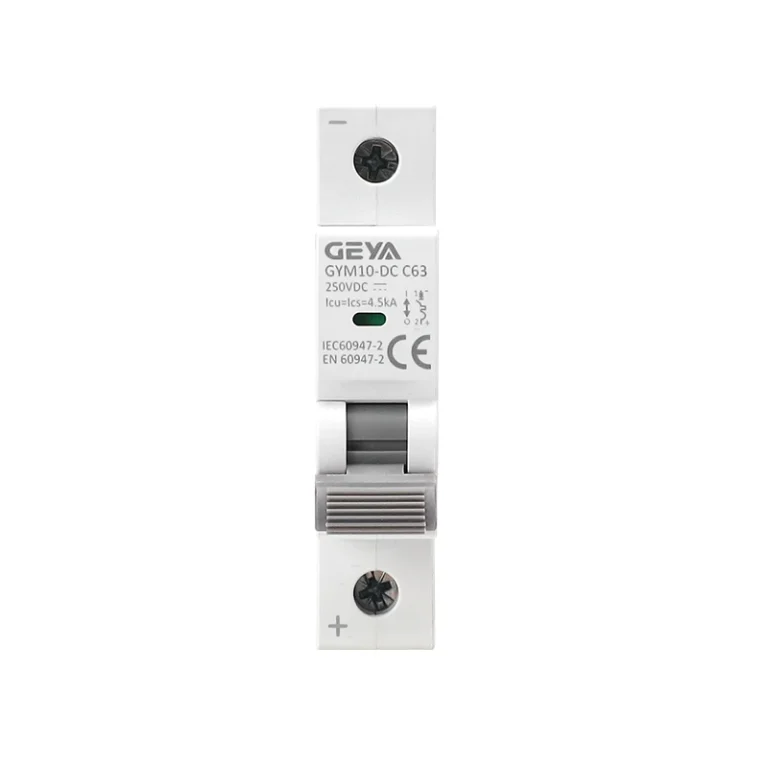
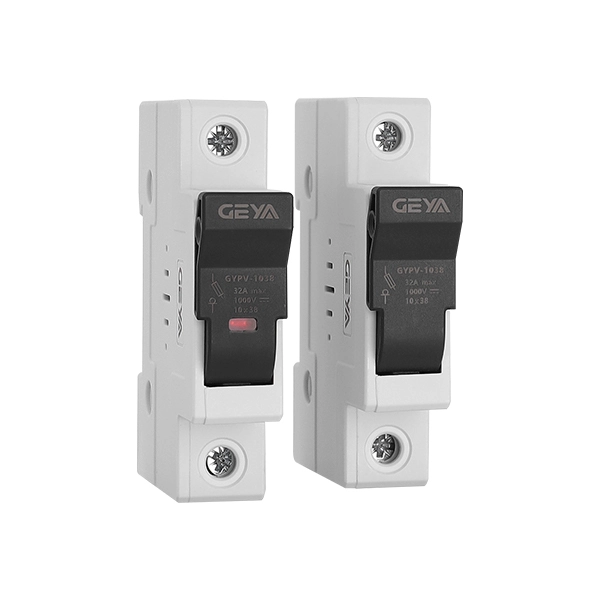
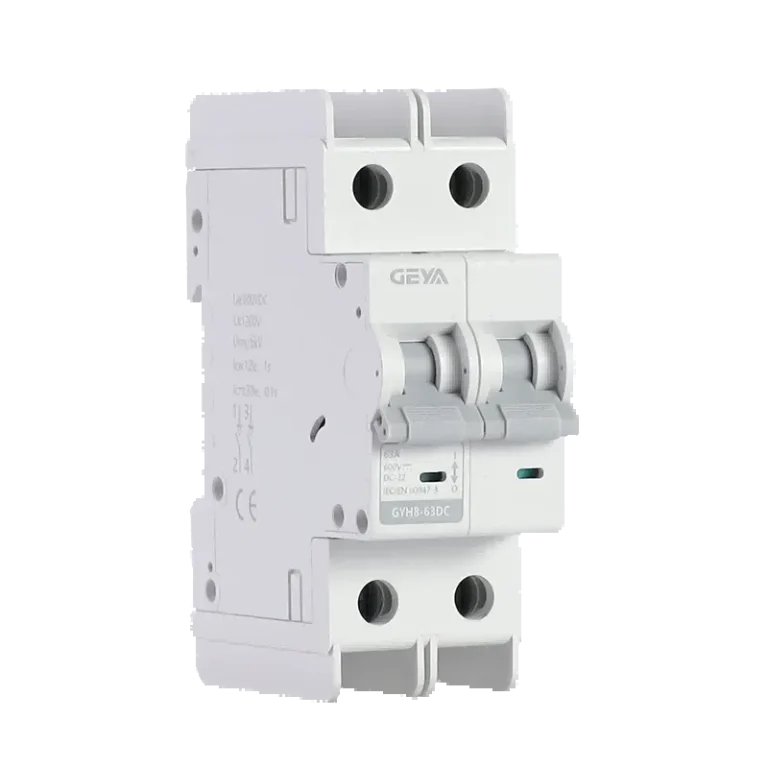
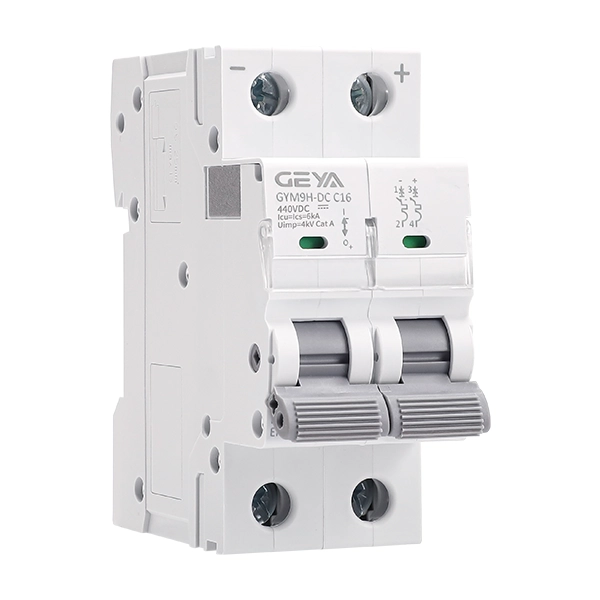
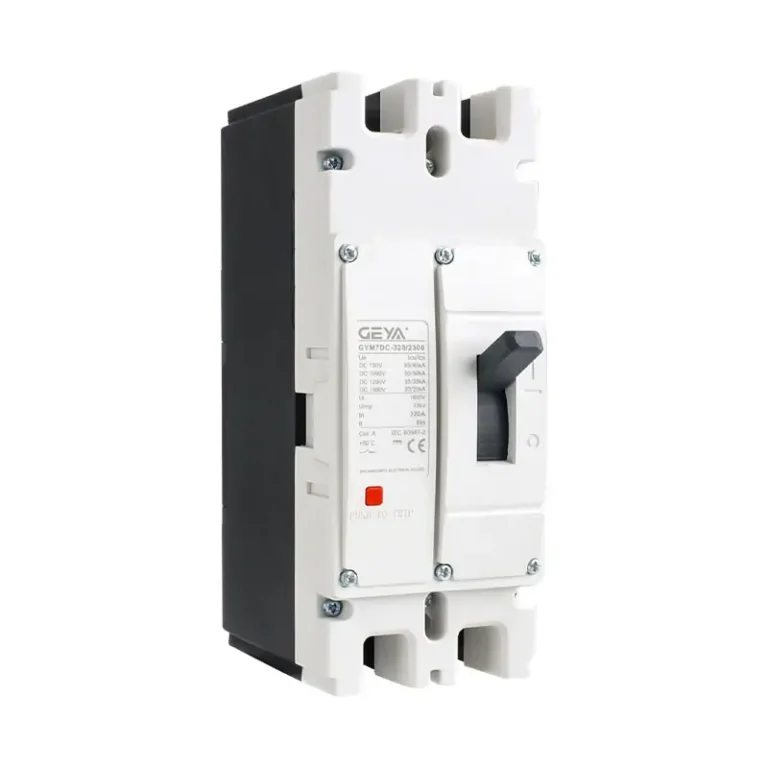
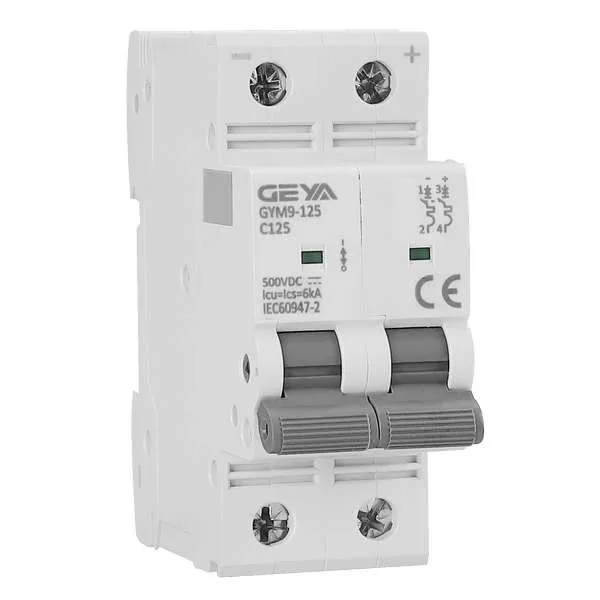
- DC Circuit Breakers: Provide safe isolation and overcurrent protection for photovoltaic and energy storage systems.
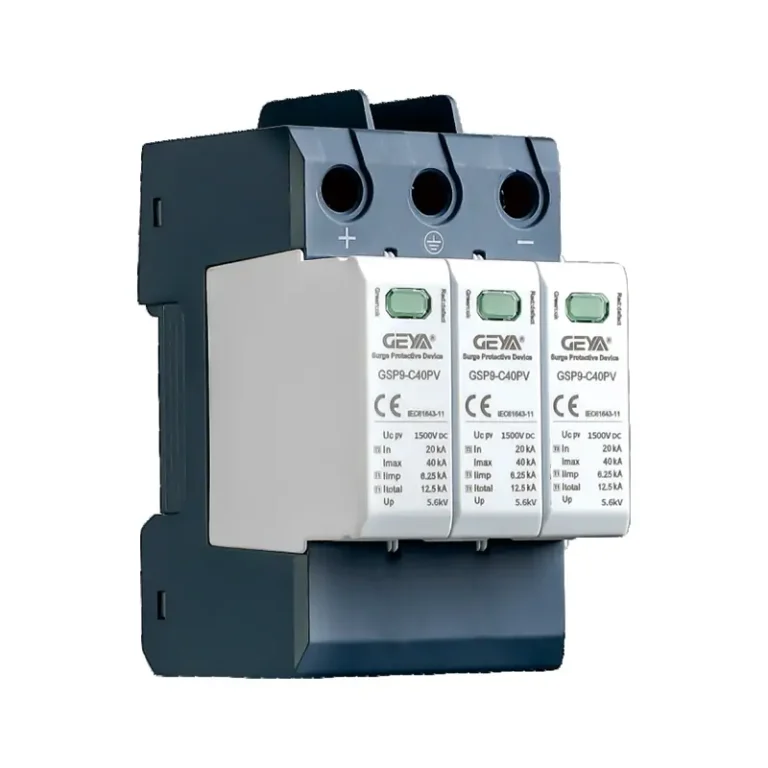
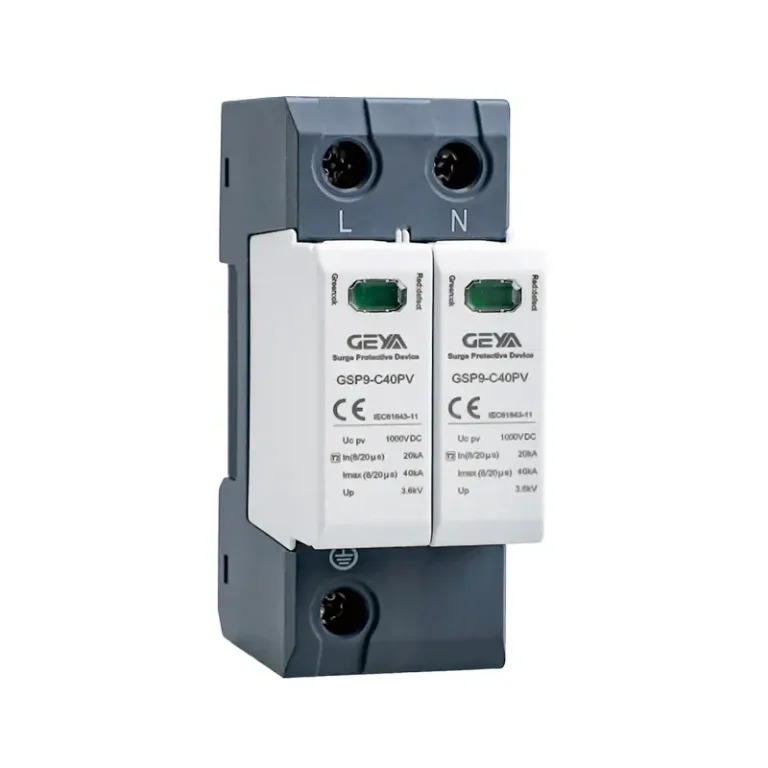
- Surge Protection Devices: Protect sensitive solar equipment from lightning and transient voltage events.
- Active Harmonic Filters: Improve waveform quality and reduce inverter-related harmonic issues.
- Power Monitoring Equipment: Helps operators track system performance and detect abnormal conditions.
For solar developers and renewable energy integrators, proper electrical protection is critical for maximizing system lifetime and maintaining reliable energy production.
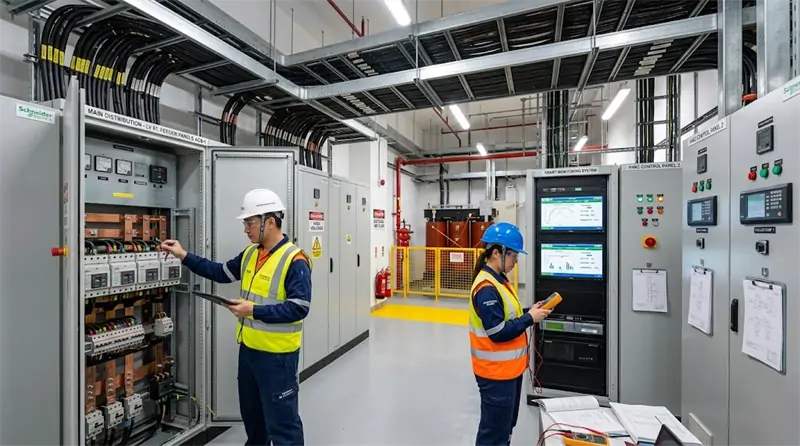
3. Commercial Building Power Quality Solutions
Commercial buildings such as shopping centers, office buildings, hospitals, and hotels contain many sensitive electrical loads.
Elevators, HVAC systems, lighting controls, servers, and communication equipment require stable power conditions to maintain continuous operation.
Typical Power Quality Problems in Commercial Facilities
- Harmonics from LED lighting and electronic equipment
- Reactive power consumption from HVAC motors
- Voltage disturbances affecting building automation systems
Recommended Solutions
- Reactive power compensation systems
- Active harmonic filtering equipment
- Reliable low voltage distribution protection devices
Improving power quality in commercial buildings helps reduce energy consumption, improve electrical safety, and increase operational reliability.
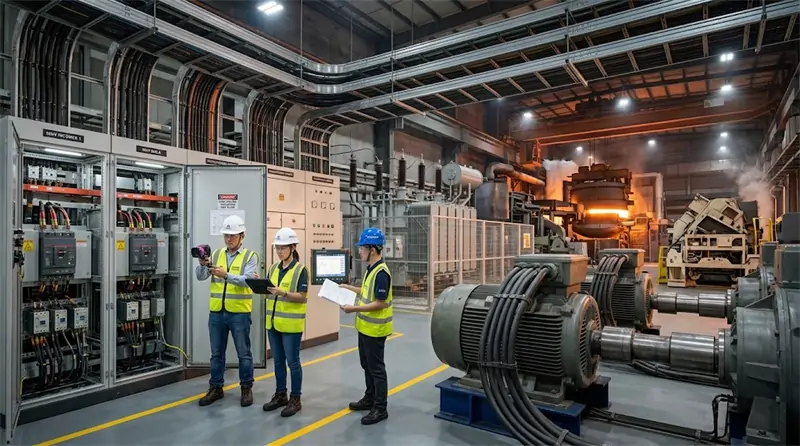
4. Heavy Industrial Plant Power Quality Solutions
Heavy industries such as steel production, mining, chemical processing, and large manufacturing facilities operate high-power electrical equipment continuously.
These environments create some of the most demanding power quality conditions due to large motors, arc furnaces, welding systems, and heavy electrical loads.
Main Challenges in Heavy Industry
- Large reactive power fluctuations
- High harmonic levels
- Frequent equipment starting and stopping
- High risk of electrical equipment stress
Recommended Solutions
- High-capacity SVG systems for dynamic reactive power compensation
- Industrial-grade Active Harmonic Filters for harmonic control
- Advanced circuit protection systems
- Continuous electrical monitoring and maintenance programs
A complete power quality management strategy allows heavy industrial companies to improve production stability while reducing unnecessary energy losses.
GEYA Power Quality Management Solutions: Engineering Reliable Industrial Electrical Systems
As industrial electrical systems become more complex, companies need reliable equipment that can solve multiple power quality challenges while improving energy efficiency.
GEYA provides professional electrical solutions including reactive power compensation systems, harmonic filtering equipment, and DC protection devices designed for industrial, renewable energy, and commercial applications.
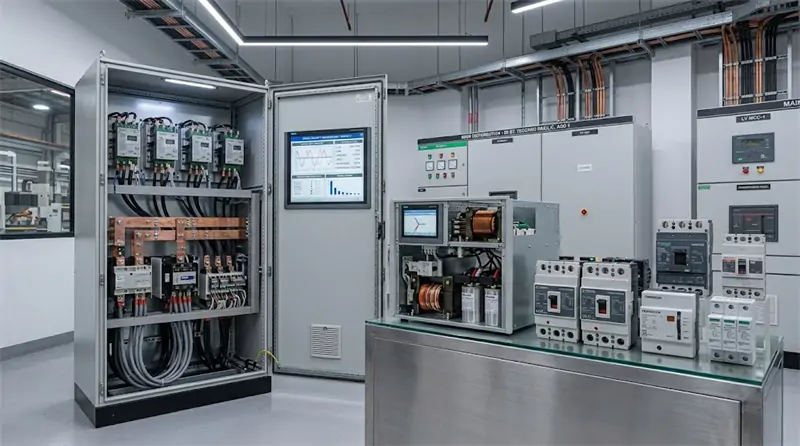
1. Static Var Generator (SVG) – Dynamic Reactive Power Compensation Solution
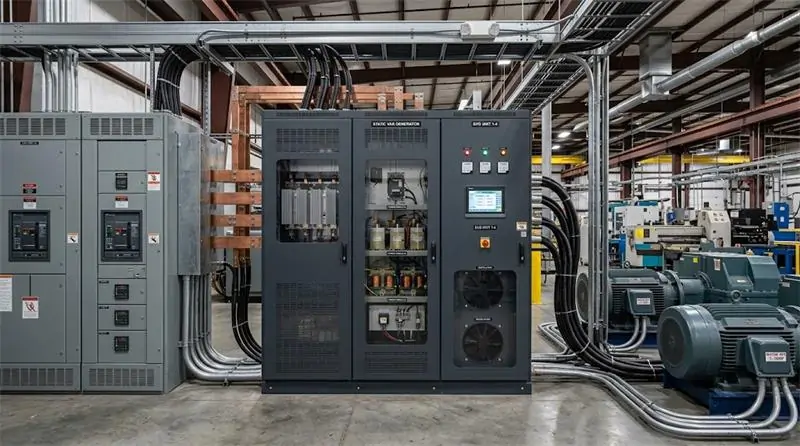
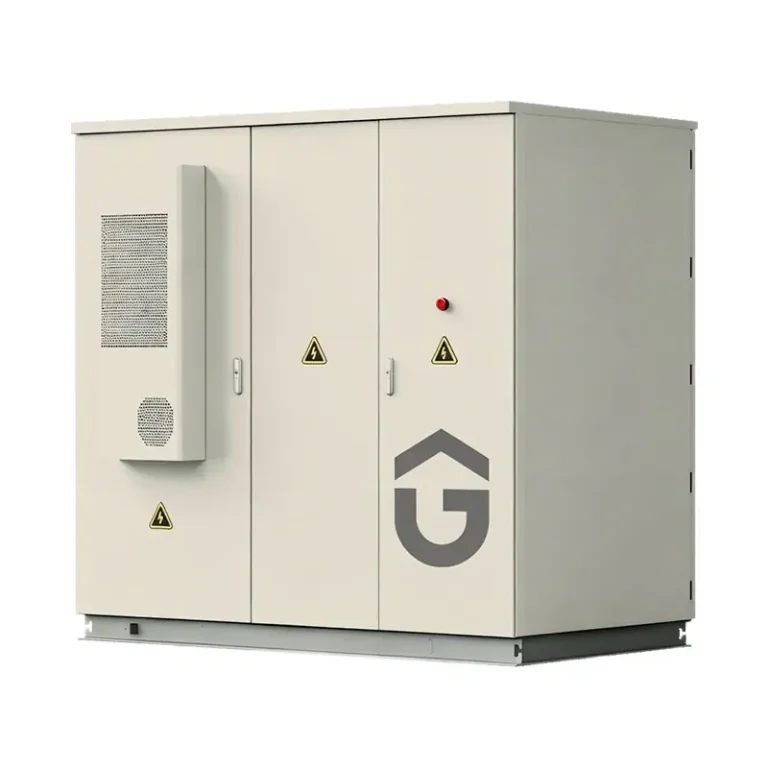
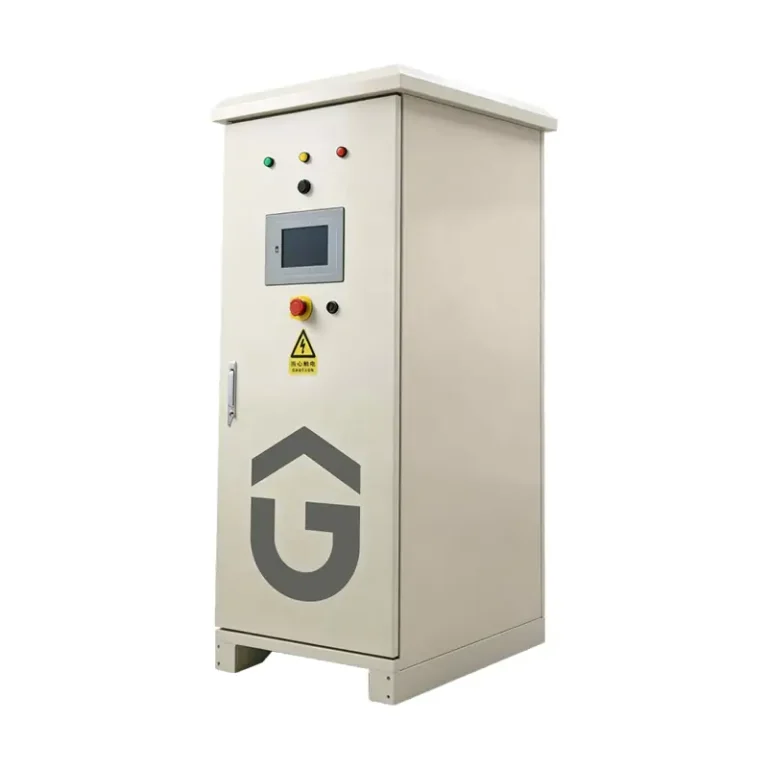
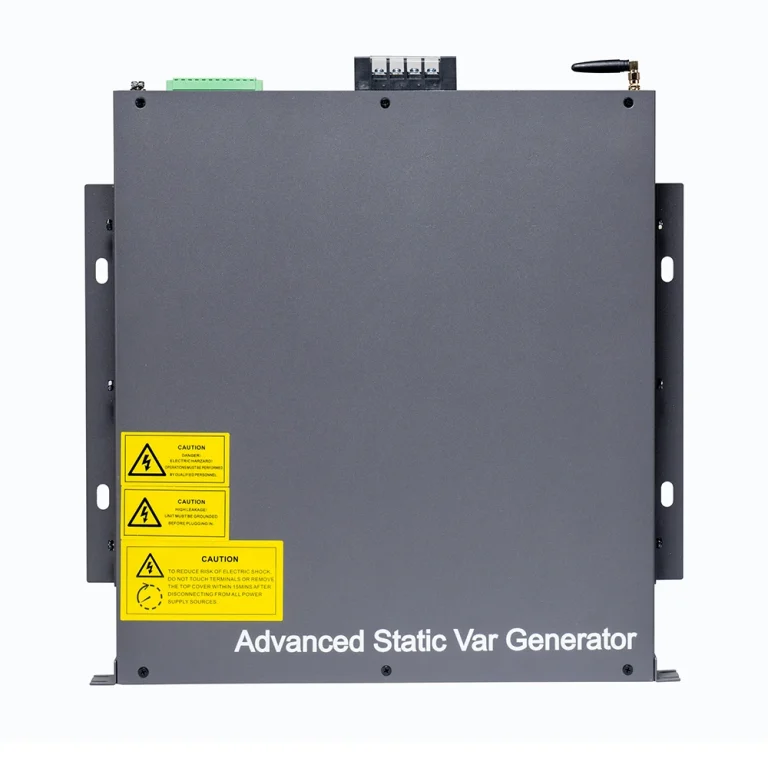
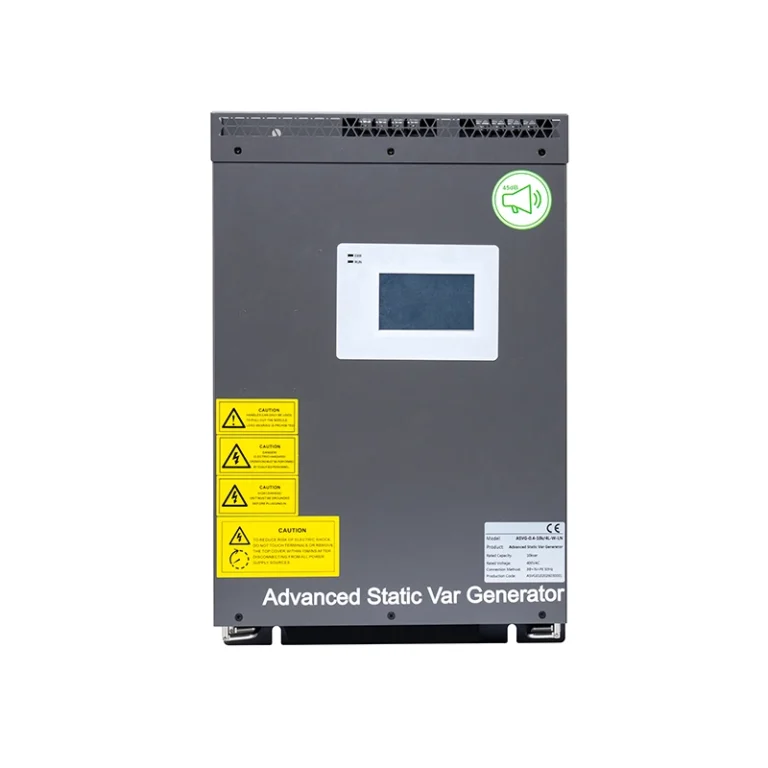
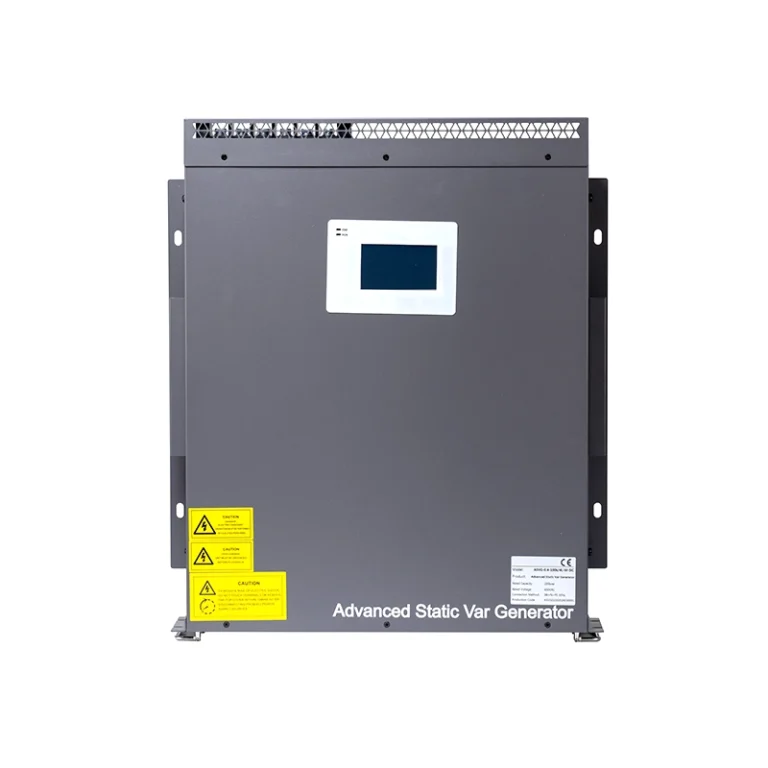
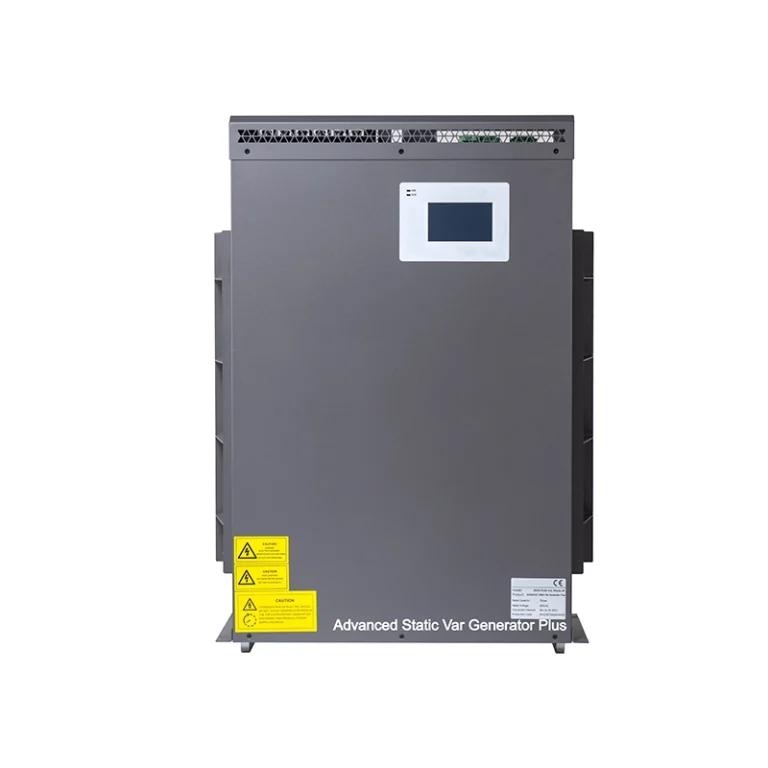
The Static Var Generator (SVG) is an advanced power quality device designed to provide fast and accurate reactive power compensation.
Unlike traditional capacitor banks, SVG technology can dynamically adjust compensation output according to real-time electrical demand.
Key Advantages of SVG Technology
- Fast response: Quickly compensates changing reactive power demand.
- High accuracy: Maintains stable power factor under different load conditions.
- Energy efficiency improvement: Reduces unnecessary current flow and system losses.
- Flexible application: Suitable for factories, renewable energy systems, and commercial facilities.
For industrial users with rapidly changing loads, SVG provides a reliable method to improve electrical system stability and operational efficiency.
2. Active Harmonic Filter (AHF/APF) – Real-Time Harmonic Control
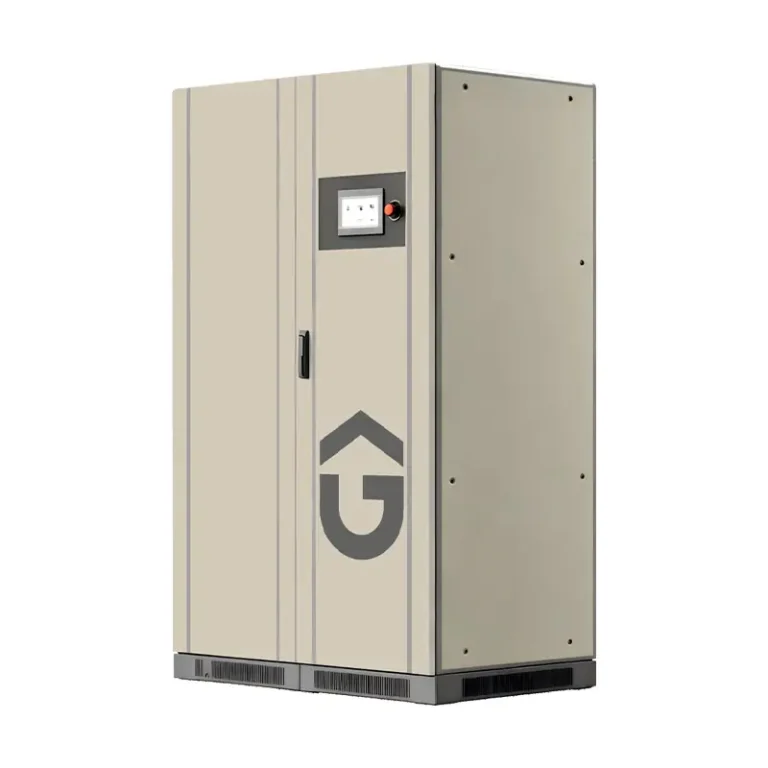
Active Harmonic Filters (AHF/APF) are designed to solve harmonic distortion problems caused by modern nonlinear electrical equipment.
The device continuously detects harmonic currents and generates compensation currents to reduce waveform distortion.
Key Benefits of Active Harmonic Filters
- Real-time harmonic elimination
- Improved electrical waveform quality
- Reduced transformer and cable overheating
- Protection of sensitive industrial equipment
- Improved overall system reliability
3. DC Circuit Breakers – Reliable Protection for Solar and Energy Storage Systems
With the increasing adoption of solar PV and energy storage systems, reliable DC protection has become increasingly important.
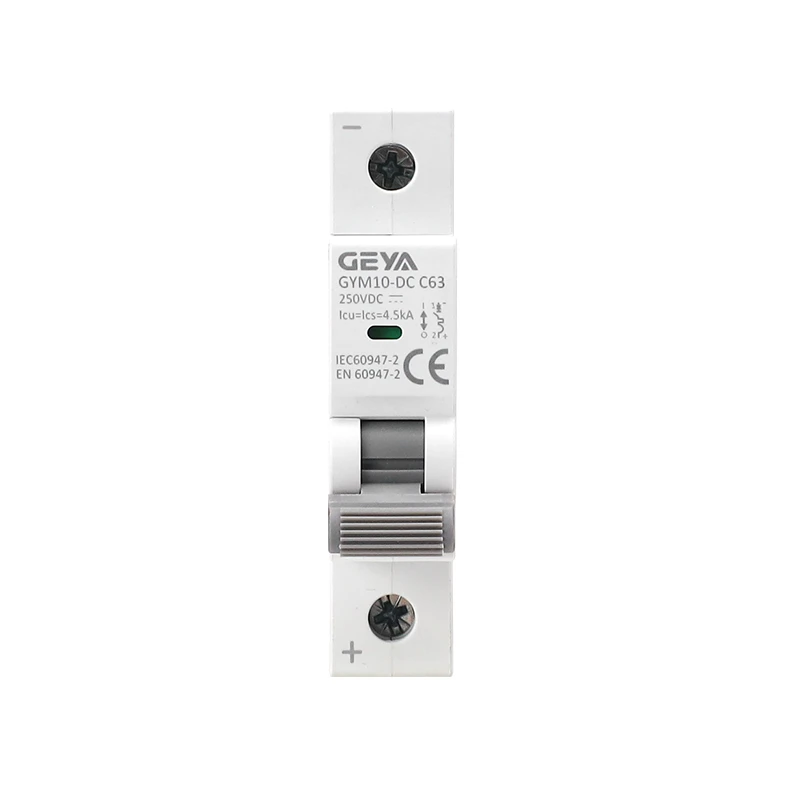
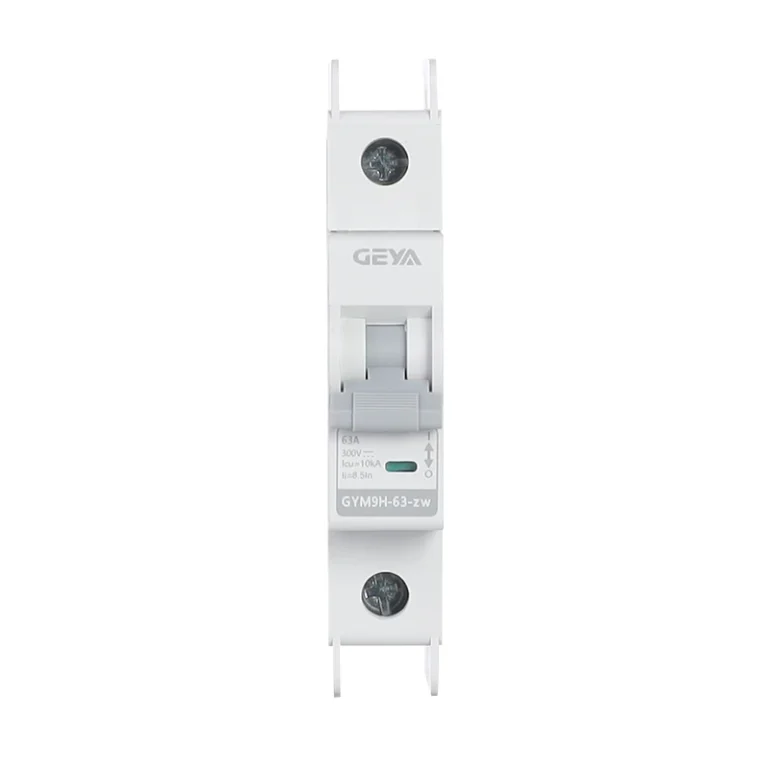
GEYA DC circuit breakers provide safe isolation and overcurrent protection for photovoltaic, battery storage, and DC distribution applications.
Key Advantages
- Designed for high DC voltage applications
- Reliable short-circuit protection
- Improved system safety
- Suitable for renewable energy projects