










1. What Is Automatic Voltage Control (AVC)?
Automatic Voltage Control (AVC) is a control function or coordinated control system designed to maintain electrical voltage near a specified target or within an acceptable operating range. It uses voltage measurements, control logic, and available regulation resources to respond to changing operating conditions.
In utility power systems, AVC may coordinate generators, transformer tap changers, capacitor banks, reactors, and inverter-based resources. At a renewable energy plant, voltage control may also involve the plant controller and the reactive power capabilities of solar or wind inverters.
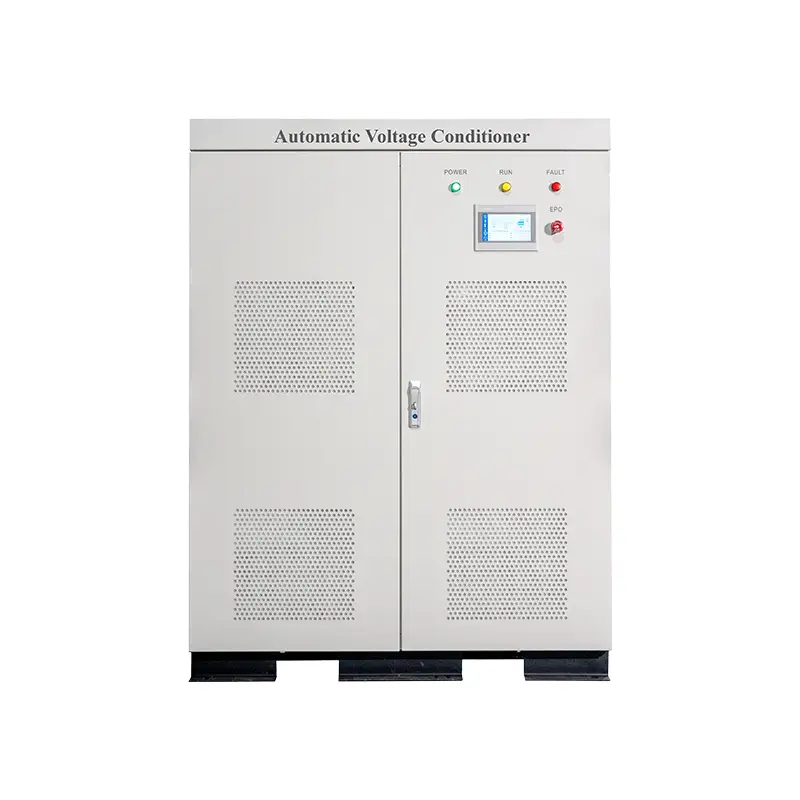
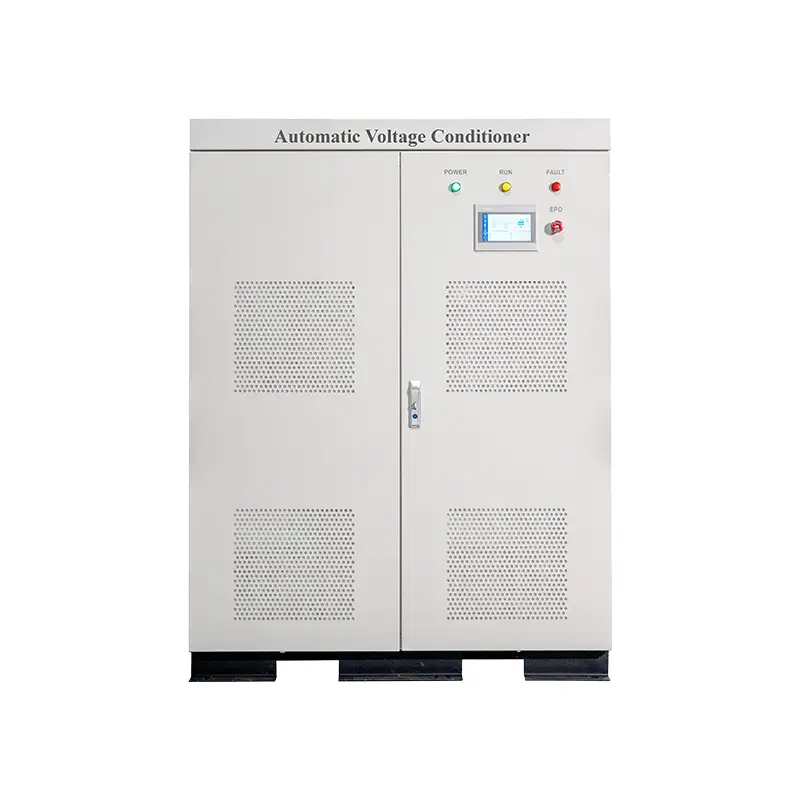
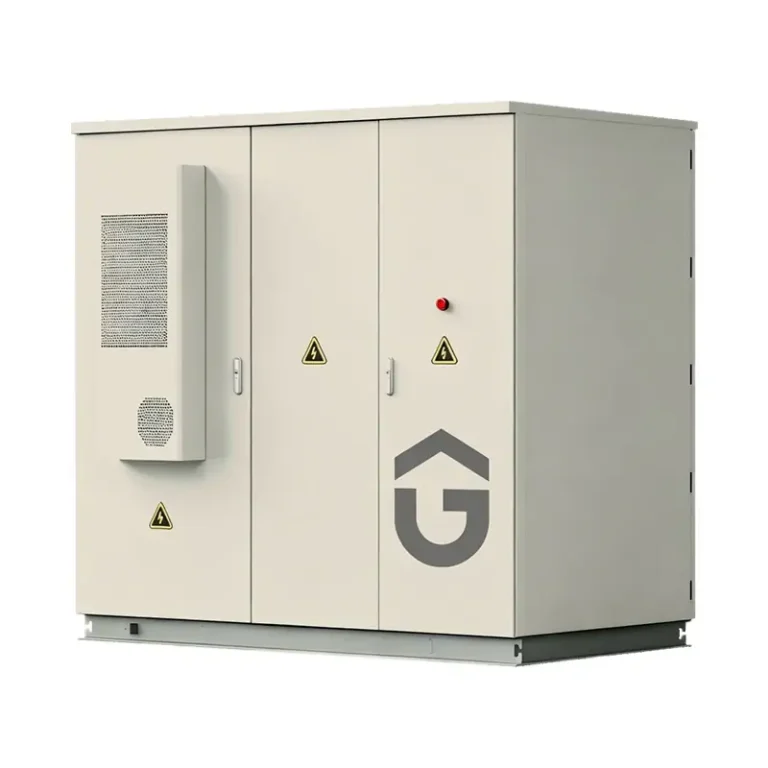
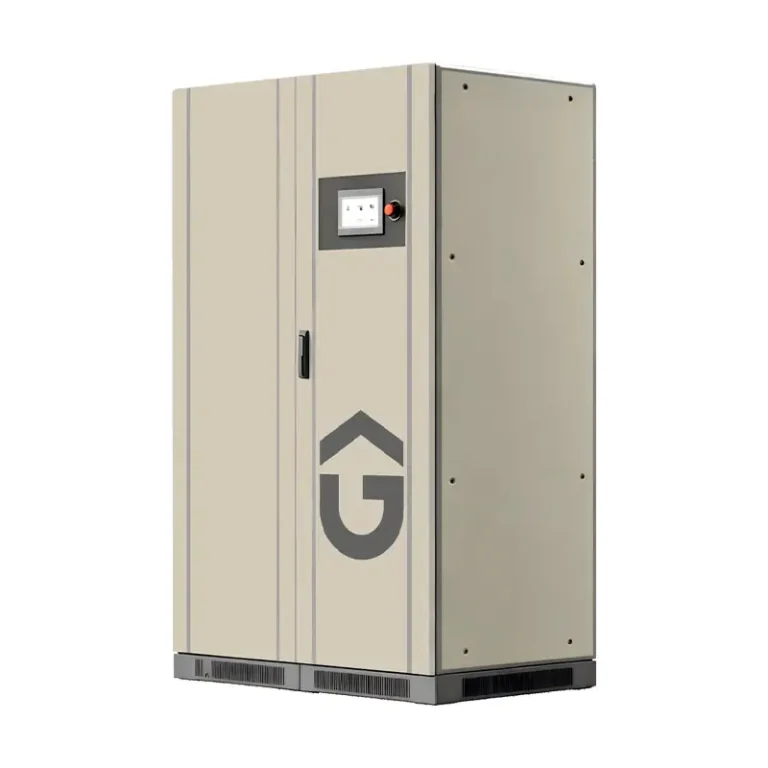
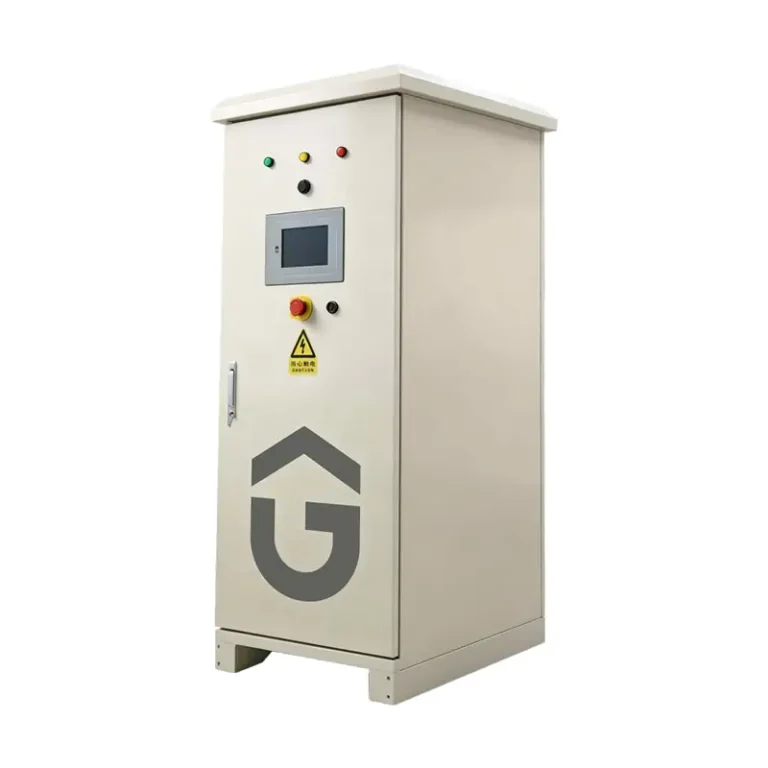
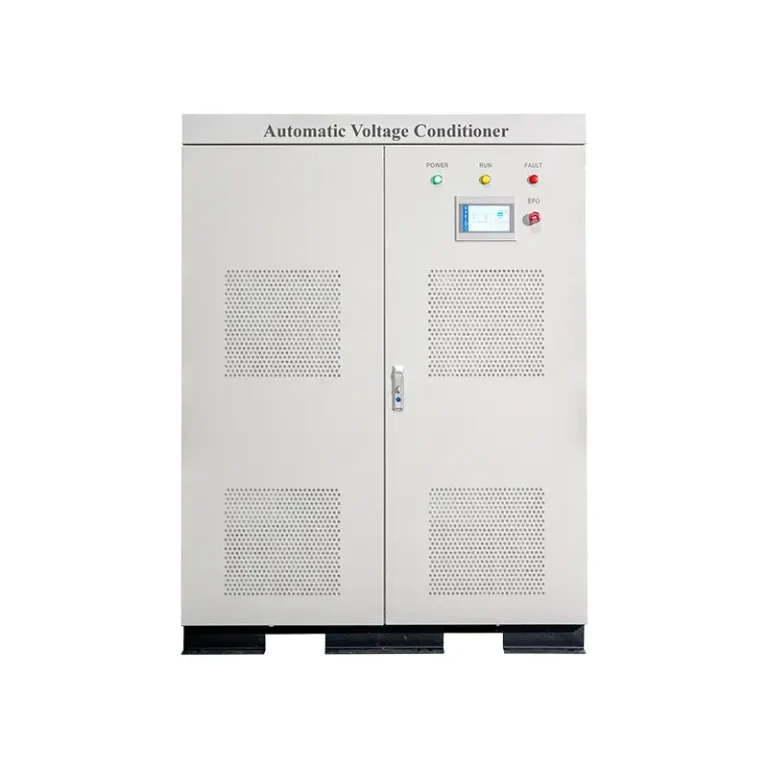
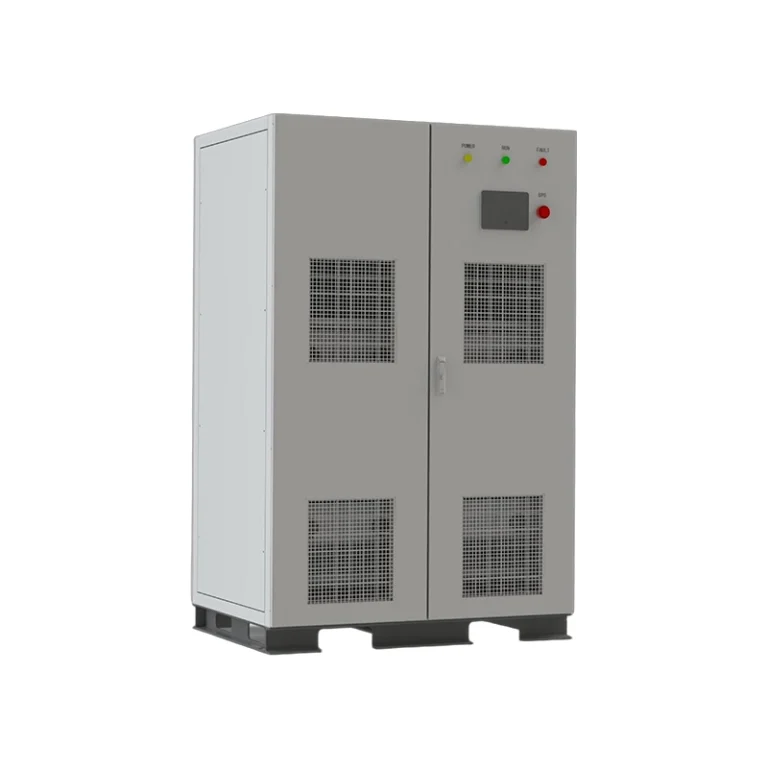
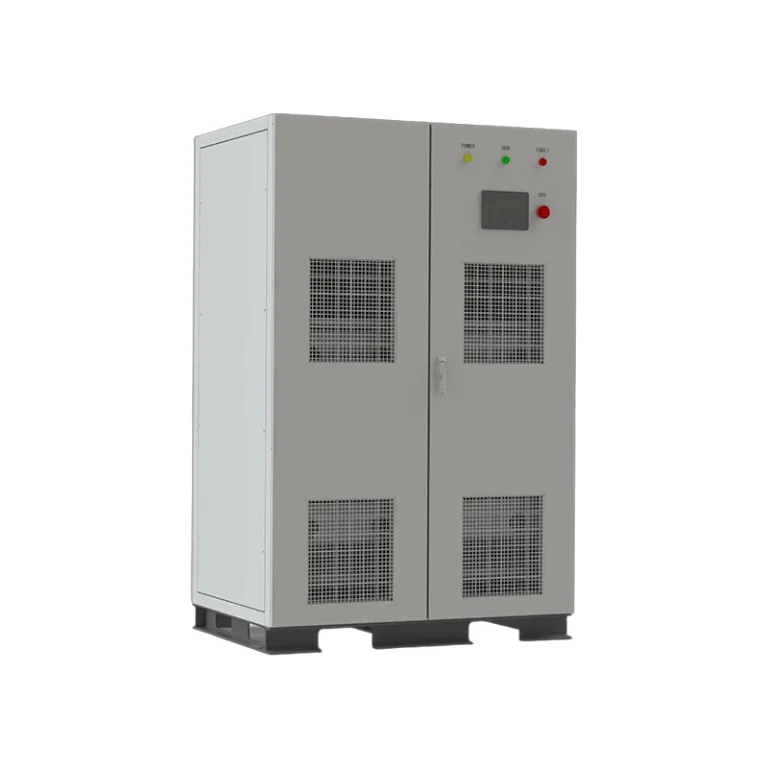
In industrial facilities, a different but related solution is an Active Voltage Conditioner. This equipment regulates voltage at the protected load by injecting a controlled compensating voltage. GEYA’s GY-AVC series is an example of this type of industrial voltage regulation equipment.
Explore GEYA’s Automatic Voltage Control (AVC) solutions to learn more about industrial voltage regulation options.
Why Does Voltage Stability Matter?
- Manufacturing: Voltage disturbances can interrupt sensitive automation systems, variable-speed drives, and production equipment.
- Data centers: Voltage events can challenge power distribution and protection systems, making coordinated power quality management important.
- Renewable energy: Solar and wind generation can change local power flows, creating additional voltage regulation requirements.
- Commercial buildings: Long feeders and changing loads can contribute to voltage deviations at the point of use.
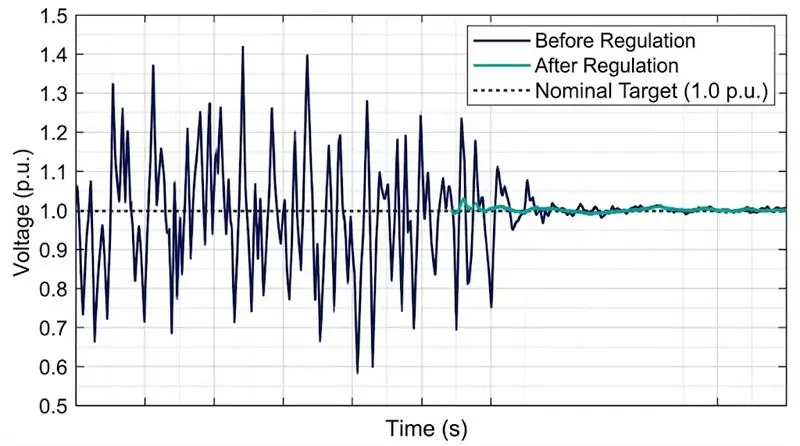
AVC helps address voltage regulation requirements, but it should not be treated as a universal replacement for surge protection, uninterruptible power supplies (UPS), or dedicated voltage-sag mitigation equipment.
2. How Does AVC Work? The Role of Reactive Power
One of the key principles behind power-system voltage control is the relationship between voltage and reactive power. Reactive power, measured in vars or volt-amperes reactive (var), supports electric and magnetic fields in AC equipment. Its distribution affects voltage throughout the network.
In many power systems, insufficient local reactive power support can contribute to low voltage, while excessive capacitive reactive power can contribute to high voltage. The actual response depends on network impedance, load characteristics, operating conditions, and the location of the reactive resources.
An AVC system uses measured electrical conditions and configured control targets to determine which available resources should adjust their output or operating state.
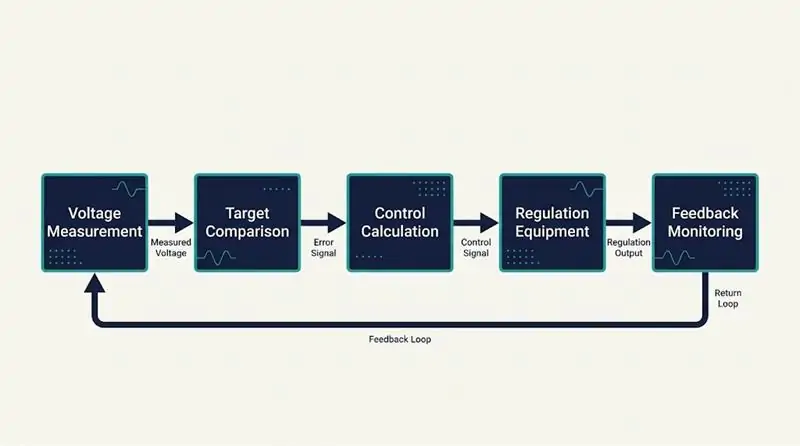
The Typical AVC Control Process
- Measure: Voltage transformers, current transformers, meters, and control devices provide electrical measurements.
- Compare: The controller compares measured voltage with the target or permitted operating range.
- Calculate: Control logic determines the required adjustment, subject to equipment limits and operating constraints.
- Act: Available devices adjust reactive power, transformer taps, or compensating voltage as appropriate.
- Verify: New measurements confirm the response, allowing the control loop to continue correcting deviations.
Three Levels of Voltage Control
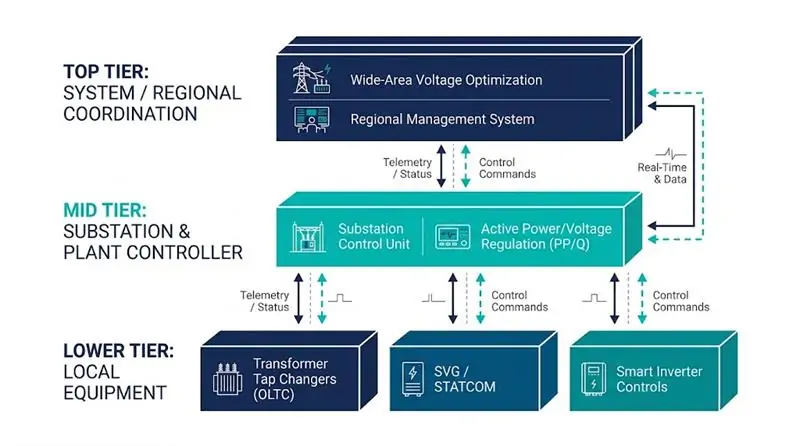
Large power systems may use coordinated control at several levels. The exact architecture varies by utility, region, plant design, and control platform; not every AVC installation uses the same three-level structure.
- System or regional coordination: Supervisory control considers network-wide voltage targets, operating limits, and available reactive resources.
- Plant or substation control: A local controller coordinates generators, inverters, transformer tap changers, and compensation equipment against assigned targets.
- Device-level control: Local regulators and power electronic controllers execute commands within their response capabilities and equipment limits.
This coordinated approach helps balance voltage performance, equipment constraints, and operational objectives. Network operators may also consider power losses, security margins, and switching frequency when determining the best control strategy.
3. The Main Technologies Behind Voltage Regulation
AVC is not a single piece of hardware. It can coordinate different technologies according to the voltage problem, system size, required response, and available control resources.
3.1 On-Load Tap Changers (OLTCs)
An on-load tap changer adjusts a transformer’s turns ratio while the transformer remains energized and supplying its load. This changes the voltage ratio between the transformer sides.
OLTCs are widely used for distribution and transmission voltage regulation. Because tap changes are discrete and involve mechanical switching, they are generally better suited to slower voltage adjustments than to compensating every rapid voltage fluctuation.
3.2 Capacitor Banks and Shunt Reactors
Capacitor banks supply capacitive reactive power, which can support voltage under suitable operating conditions. Shunt reactors absorb reactive power and can help control overvoltage, particularly on lightly loaded transmission lines or cable networks.
These devices are often switched in steps. Their effectiveness depends on system conditions, and poorly coordinated switching can create transient disturbances or unwanted voltage changes.
3.3 Static Var Generators (SVGs) and STATCOMs
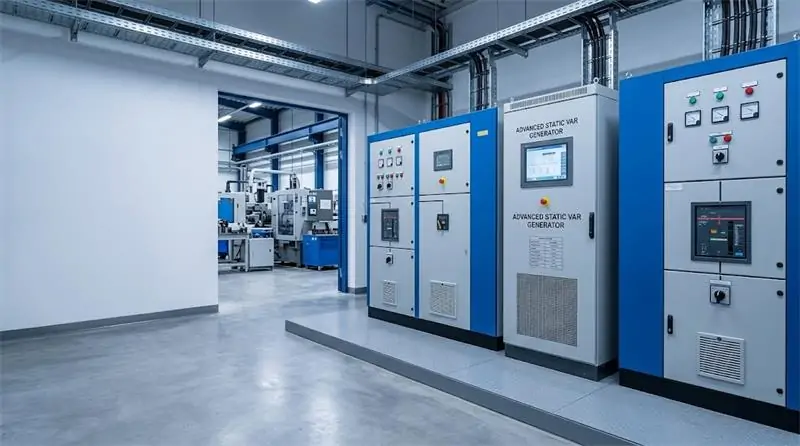
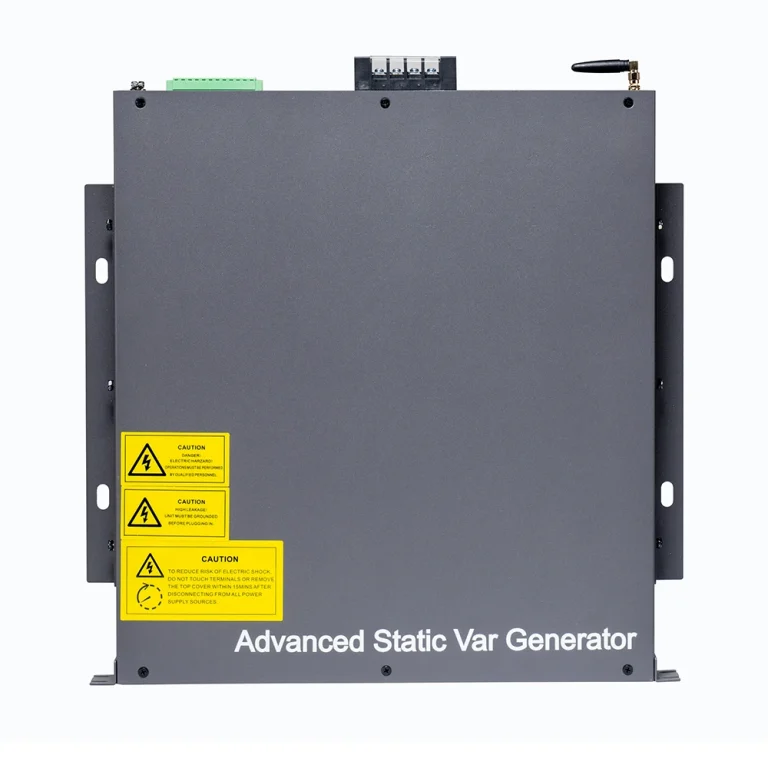
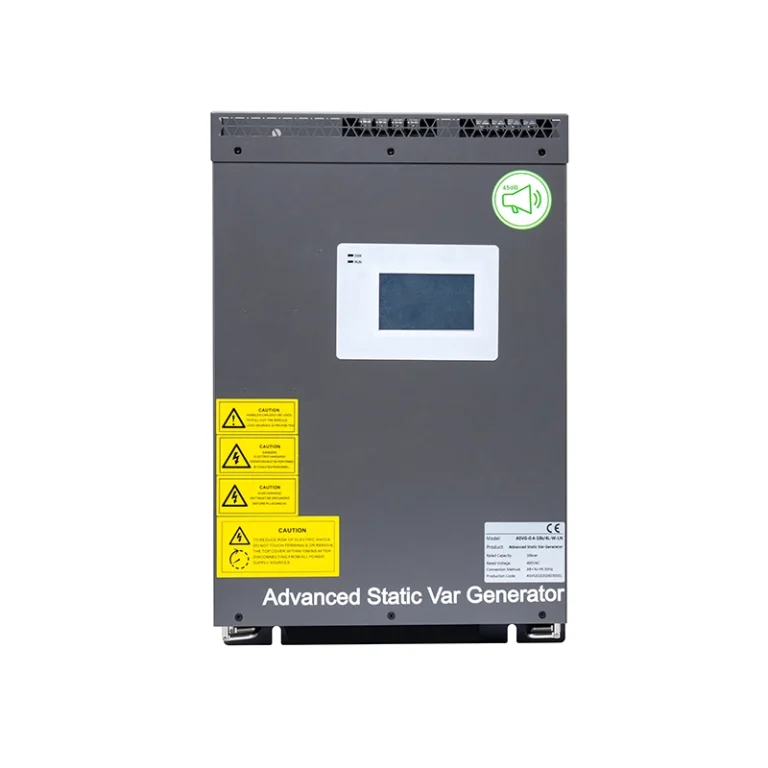
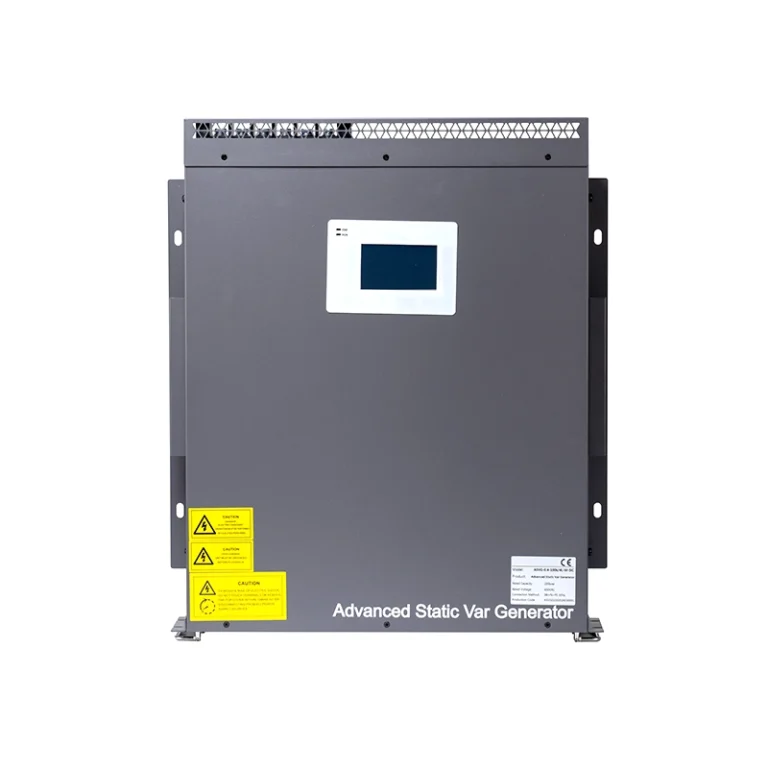
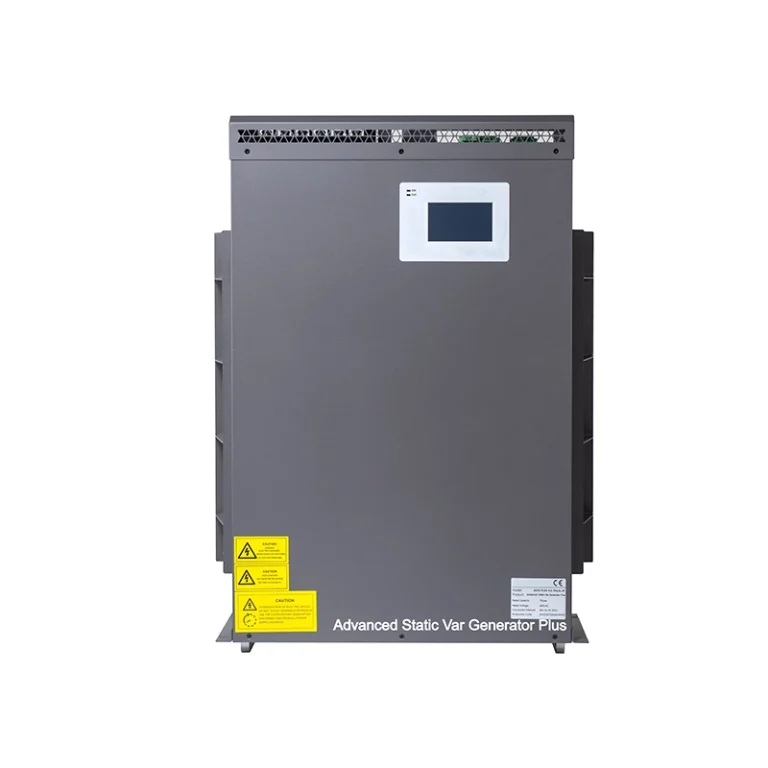
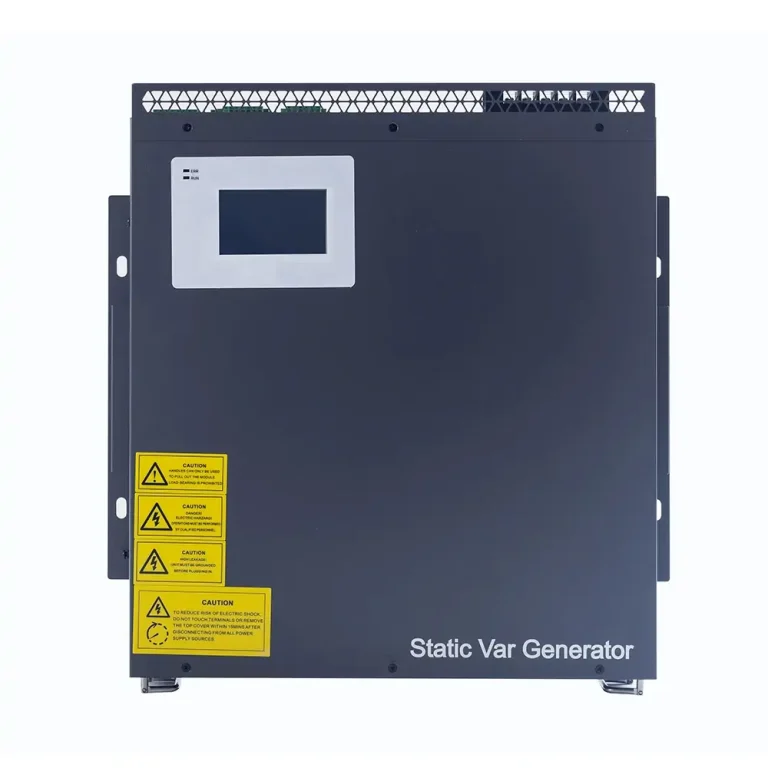
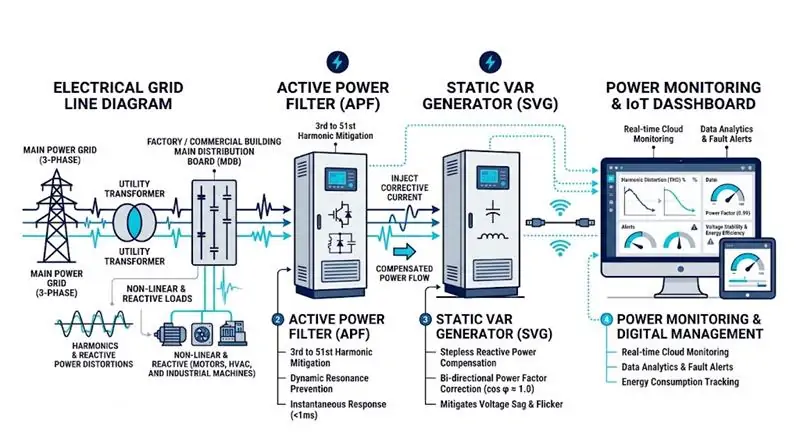
Static Var Generators (SVGs), also known as STATCOM-type devices in many applications, use power electronics to provide controllable reactive power. Compared with conventional switched capacitor banks, they can adjust output more continuously and respond rapidly to changing conditions.
SVGs are commonly considered where loads vary quickly, power factor needs to be corrected dynamically, or renewable generation creates changing reactive power requirements.
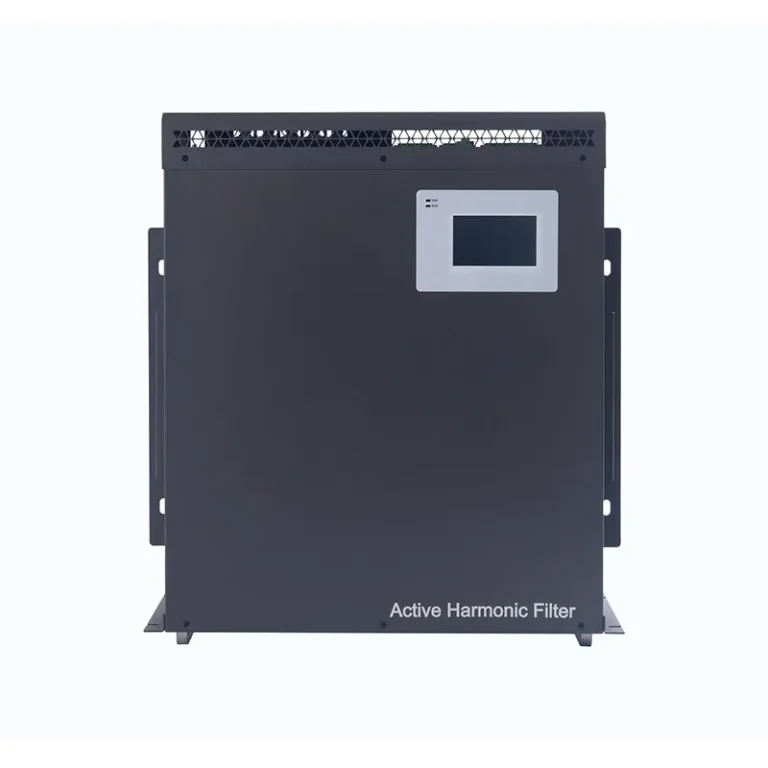
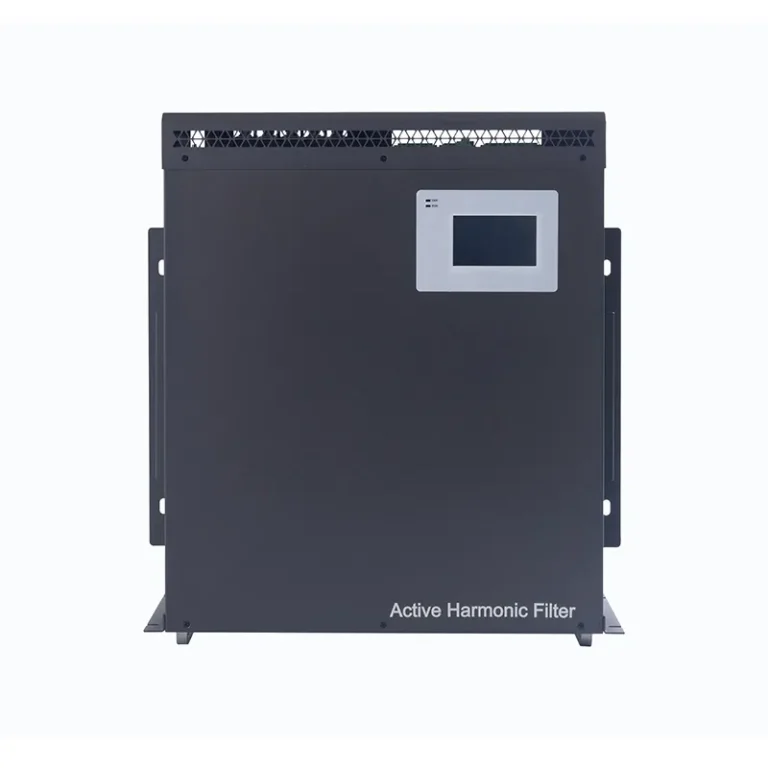
See GEYA’s Power Quality Management solutions for related technologies, including SVG, ASVG, AHF, and AVC.
3.4 Solar Inverters, Wind Turbine Converters, and Battery PCS
Modern inverter-based resources can contribute to voltage support when their hardware, control settings, operating mode, and grid-interconnection requirements permit it.
Solar inverters, wind turbine converters, and battery power conversion systems may provide or absorb reactive power within their capability limits. Their active power output, available current capacity, temperature, and grid conditions can affect how much reactive support is available.
In renewable energy projects, plant-level control is important because many individual inverters may need to operate together to meet a voltage target at the point of interconnection.
4. Where Is AVC Used?
4.1 Utility-Scale Solar and Wind Farms
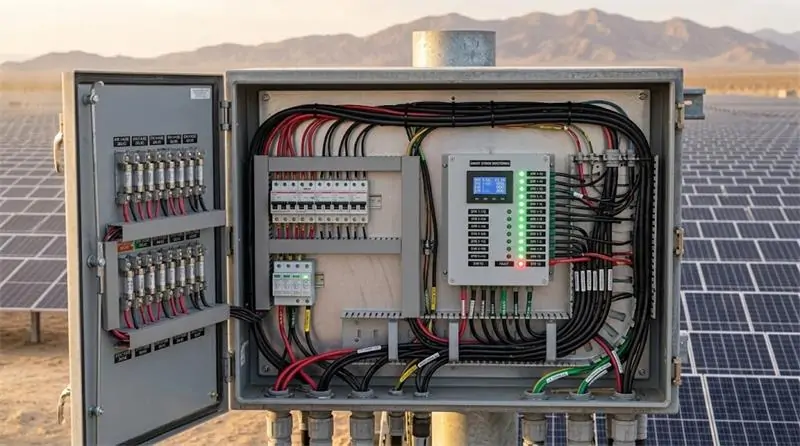
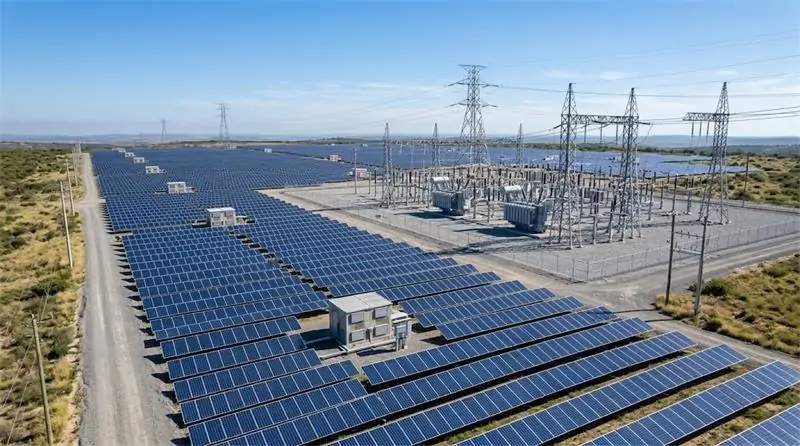
Large renewable energy plants can change local voltage conditions as output and grid conditions vary. Plant-level voltage control coordinates inverter reactive power capabilities and other available resources to help meet the interconnection requirements specified by the relevant utility or transmission operator.
For U.S. projects, the applicable requirements depend on the interconnection agreement, utility rules, regional reliability requirements, and the characteristics of the connection. AVC can support compliance, but it does not automatically guarantee interconnection approval or eliminate every performance penalty.
4.2 Industrial Manufacturing and Critical Loads
Semiconductor facilities, steel mills, petrochemical plants, automated factories, and other industrial sites may experience voltage deviations due to heavy loads, upstream disturbances, or changes in the utility supply.
The correct solution depends on the event. A persistent voltage deviation may call for voltage regulation, while a short-duration voltage sag may require a fast compensator, a dynamic voltage restorer, a UPS, or another solution designed for the affected load.
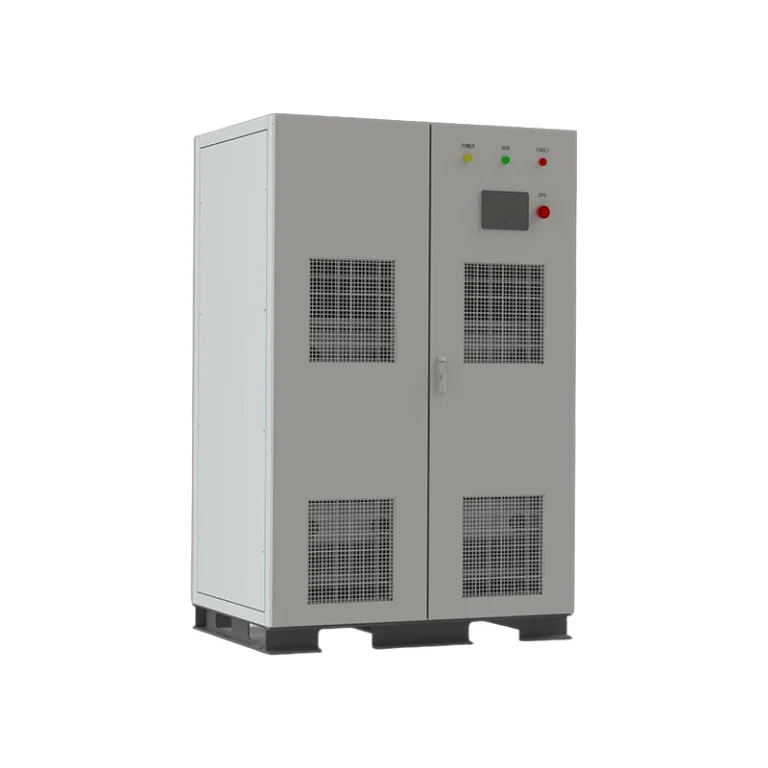
For example, GEYA’s GY-AVC Unified Power Quality Control Device is designed to regulate load-side voltage using AC-DC-AC conversion technology. For applications that require additional power quality functions, review the GY-AVC-PLUS product specifications and confirm the required functions with the manufacturer.
4.3 Distribution Networks and Commercial Buildings
Voltage deviations can occur along long distribution feeders as loading and distributed generation change. Coordinated transformer regulation, reactive power resources, and inverter controls can help maintain voltage within the required limits.
At an individual building or facility, a load-side voltage conditioner may be appropriate when measurements show that incoming voltage variations are affecting connected equipment. The installation point matters: a device protecting one facility does not necessarily regulate voltage across the entire public feeder.
5. AVC vs. Voltage Conditioners: Which Solution Do You Need?
The term AVC can refer to different technologies depending on the manufacturer and application. Before choosing equipment, identify the actual voltage problem and where it occurs.
| Solution | Primary role | Typical application |
|---|---|---|
| Grid or plant AVC | Coordinates voltage and reactive power control | Utility networks, substations, renewable energy plants |
| Active Voltage Conditioner | Corrects voltage deviations at the protected load | Industrial equipment and commercial facilities |
| SVG / STATCOM | Provides dynamic reactive power support | Fast-changing loads and voltage support applications |
| UPS | Provides conditioned power and, when equipped with energy storage, backup power | Servers, control systems, critical loads |
| Dynamic Voltage Restorer (DVR) | Compensates selected supply-side voltage disturbances | Sensitive industrial processes |
These solutions can complement one another, but they are not interchangeable. A sound selection starts with voltage-event records, load sensitivity, the required ride-through time, and the electrical installation design.
6. The Future of AVC: Smarter and More Distributed Control
6.1 Predictive Control and Data Analytics
Advanced control systems can use historical measurements, load forecasts, weather data, and renewable generation forecasts to anticipate changing operating conditions. Predictive control may help schedule reactive resources, reduce unnecessary switching, and improve coordination.
However, AI does not automatically make an AVC system faster or more reliable. Any predictive function must be validated against real operating conditions, equipment limits, cybersecurity requirements, and fail-safe control strategies.
6.2 Distributed Energy Resources and Microgrids
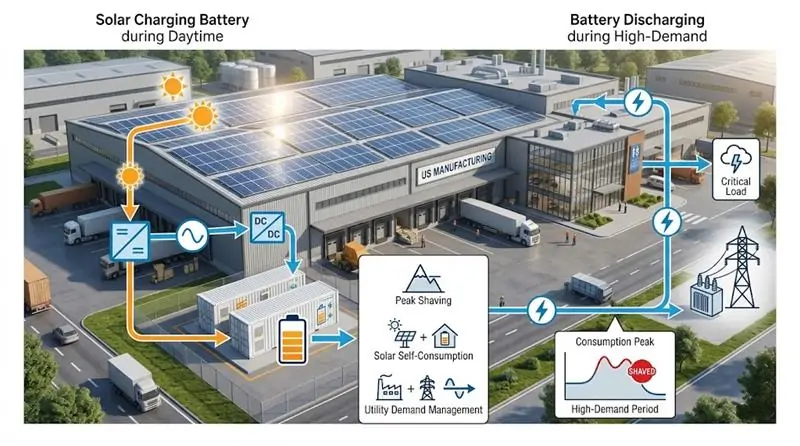
As rooftop solar, commercial battery storage, electric vehicle charging, and microgrids become more common, voltage management increasingly extends beyond conventional substations.
Coordinated inverter controls and local energy management systems can help manage voltage at the facility or feeder level. Successful implementation requires compatible controls, reliable measurements, appropriate communications, and clearly defined operating responsibilities.
6.3 Integrated Power Quality Management
Voltage stability is only one part of power quality. Industrial users may also need to address harmonic distortion, poor power factor, phase imbalance, and transient disturbances.
Depending on the application, an integrated solution may combine voltage regulation with reactive power compensation and harmonic mitigation. The best configuration is the one that addresses measured problems without adding unnecessary equipment or unsupported functions.
7. How to Select an AVC Solution
Before specifying an AVC system or voltage conditioner, engineers and facility managers should confirm the following:
- Voltage level: Nominal voltage, phase configuration, and permitted operating range.
- Nature of the disturbance: Persistent overvoltage, undervoltage, rapid fluctuation, voltage sag, or phase imbalance.
- Load characteristics: Rated power, starting current, sensitivity, and load variation.
- Required response: Whether the application needs slower tap regulation, dynamic reactive compensation, or fast load-side voltage correction.
- Additional functions: Reactive power compensation, harmonic mitigation, monitoring, communication, or fault recording.
- Installation conditions: Ambient temperature, ventilation, available space, maintenance access, and protection requirements.
- Verification: Confirm the equipment’s actual ratings, compensation range, response time, and applicable compliance requirements against the manufacturer’s documentation.
For industrial voltage stability projects, start by reviewing the actual disturbance records and then compare the required performance with the available equipment. GEYA’s AVC product range provides a starting point for evaluating load-side voltage regulation options.
8. Frequently Asked Questions About AVC
What does AVC stand for in electrical engineering?
AVC commonly stands for Automatic Voltage Control in power-system applications. In some industrial equipment catalogs, AVC is also used for Active Voltage Conditioner. The intended meaning should be confirmed from the application and product documentation.
How does an automatic voltage control system work?
It measures electrical conditions, compares voltage with a target or operating range, and coordinates available control resources to correct deviations. Depending on the system, those resources may include generator excitation, transformer tap changers, reactive power equipment, and inverter controls.
Can AVC eliminate voltage sags?
Not every AVC system can eliminate voltage sags. Grid-level voltage control primarily manages voltage and reactive power within its control scope. Short-duration voltage sags affecting sensitive loads may require a suitably rated voltage conditioner, dynamic voltage restorer, UPS, or another dedicated mitigation solution.
Can solar inverters help regulate grid voltage?
Yes, when their control functions, available reactive power capacity, operating conditions, and interconnection requirements allow it. Plant-level coordination may be necessary to meet the voltage target at the point of interconnection.
What is the difference between AVC and SVG?
AVC describes a voltage-control function or, in some product catalogs, a voltage-conditioning device. SVG refers to a power-electronic device that dynamically supplies or absorbs reactive power. An SVG may be one of the resources used in a wider voltage-control strategy.
How do I choose the right GEYA AVC product?
Start with the nominal voltage, load capacity, measured voltage variation, required compensation range, response time, and any additional power quality requirements. Compare these values with the relevant product datasheet and consult GEYA for application-specific confirmation.
Conclusion: Voltage Stability Starts with the Right Control Strategy
From utility-scale renewable energy plants to sensitive industrial production lines, voltage stability is essential for reliable electrical operation. Automatic voltage control coordinates measurements, control logic, and available regulation resources to help keep voltage within its required range.
The key is to distinguish system-level voltage control from load-side voltage conditioning and reactive power compensation. Once the disturbance is identified, engineers can select a solution that matches the actual electrical conditions, response requirements, and operating objectives.
Looking for an industrial voltage regulation solution? Explore GEYA AVC solutions, review the GY-AVC and GY-AVC-PLUS specifications, or contact GEYA to discuss your voltage regulation requirements.