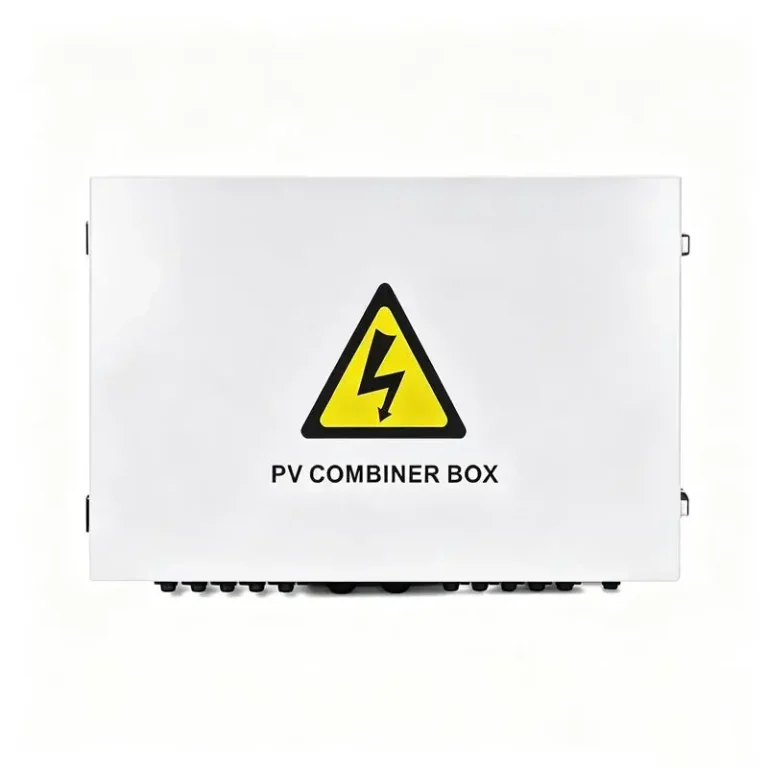
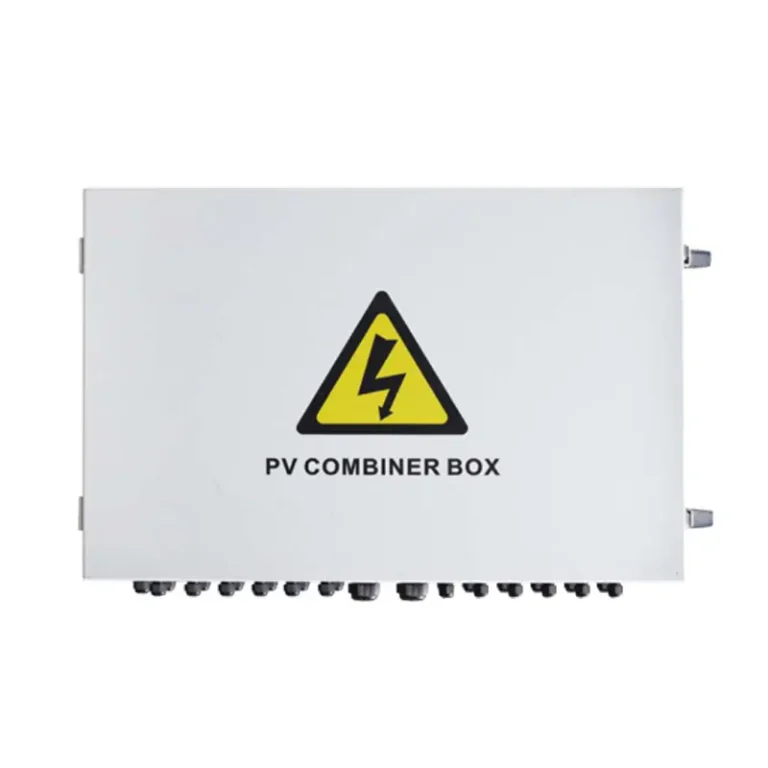
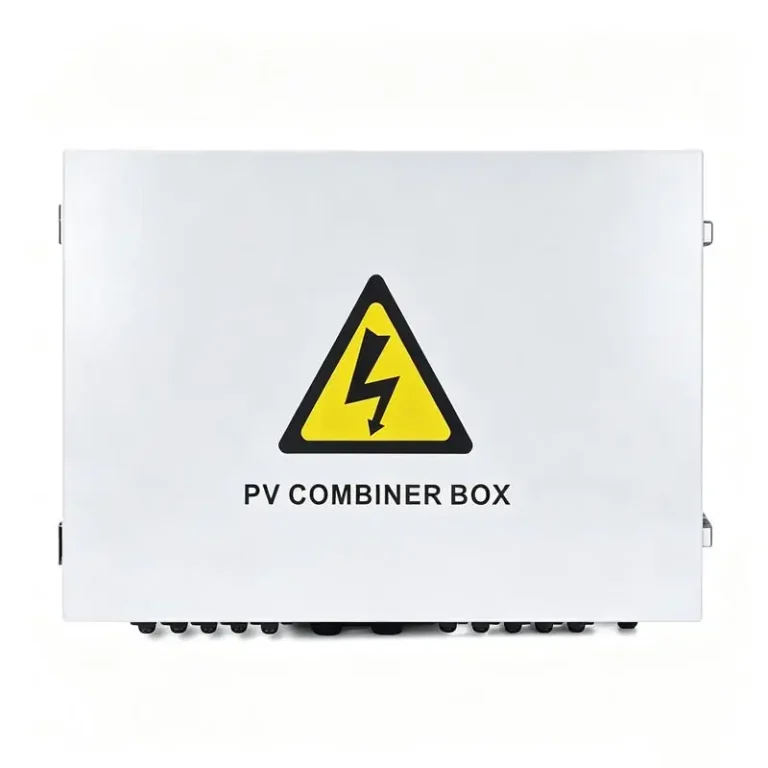
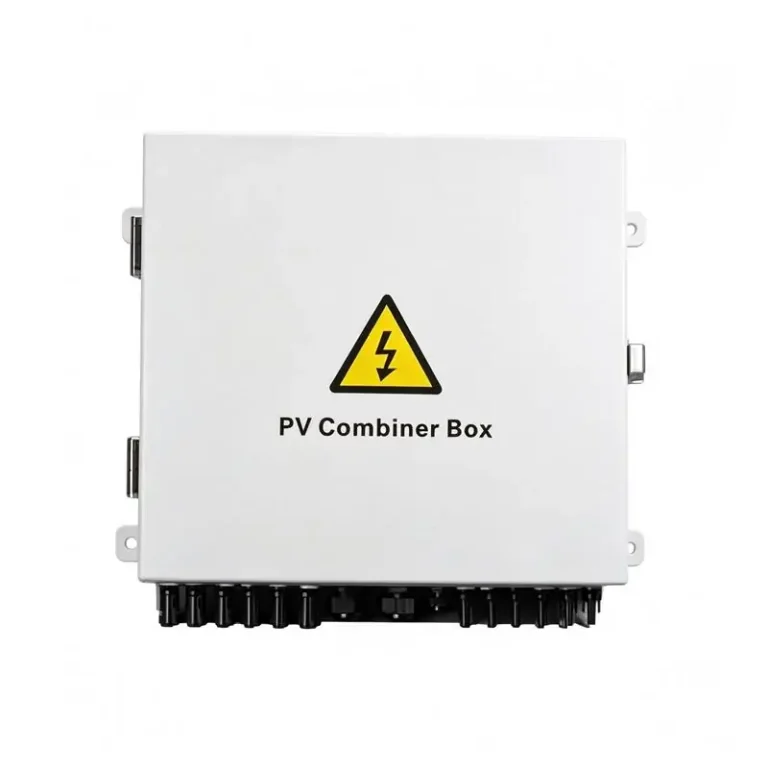
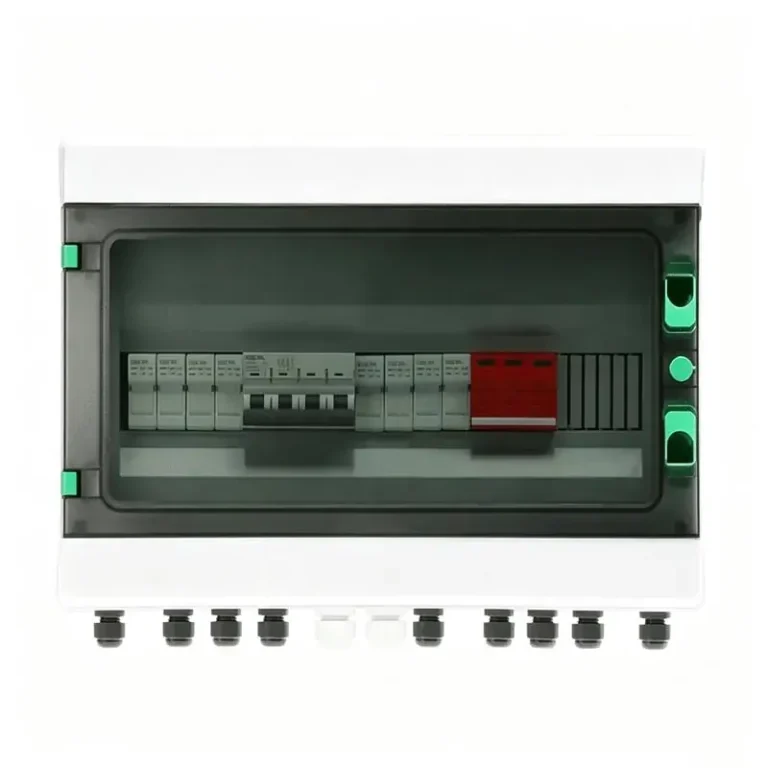
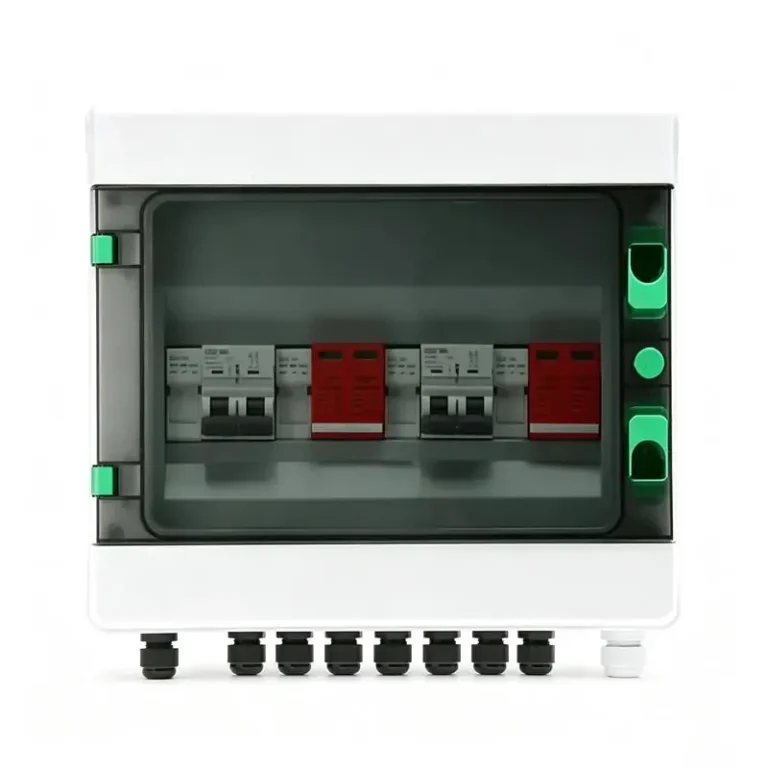
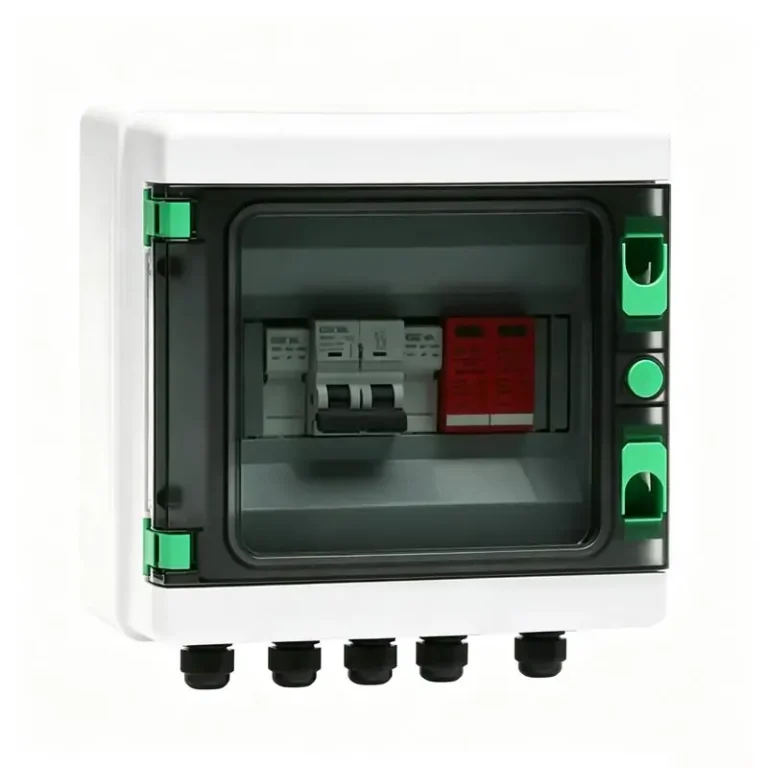
1. What Is a PV Combiner Box?
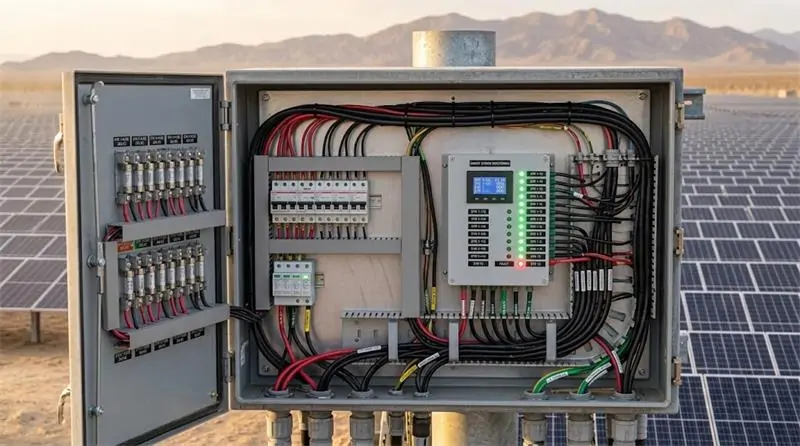
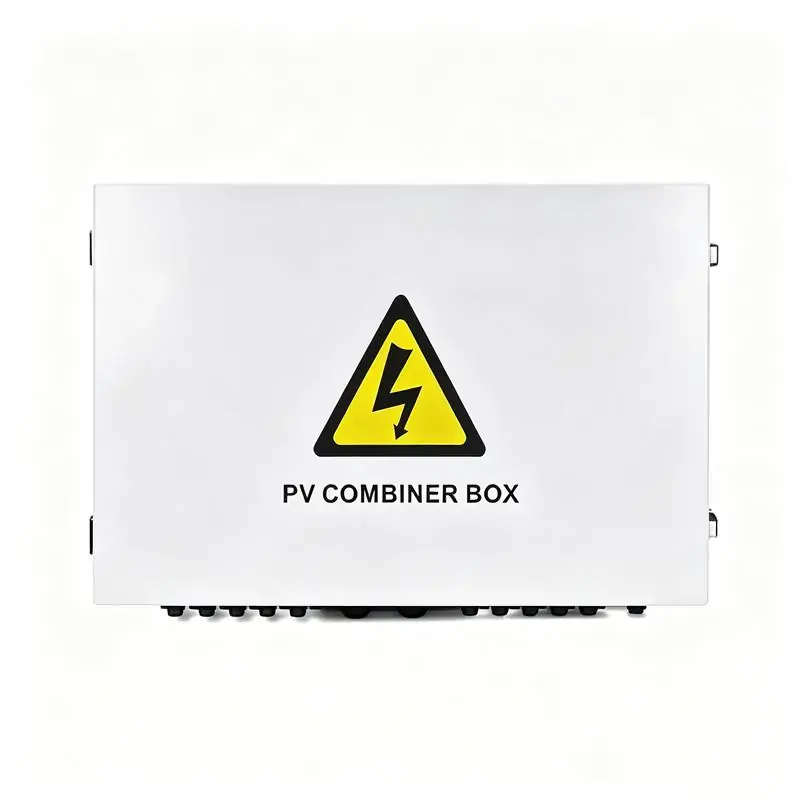
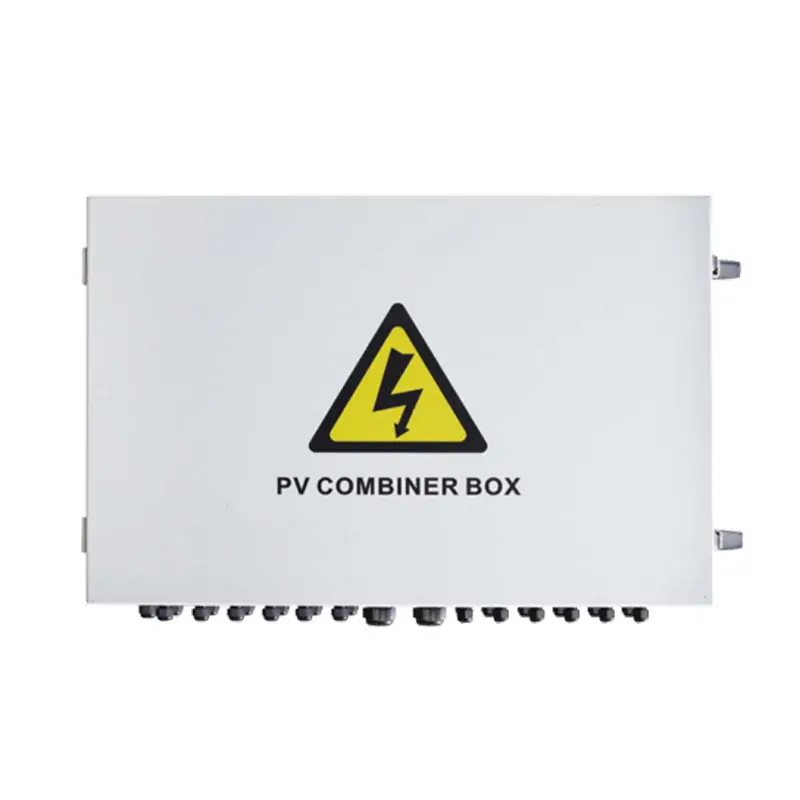
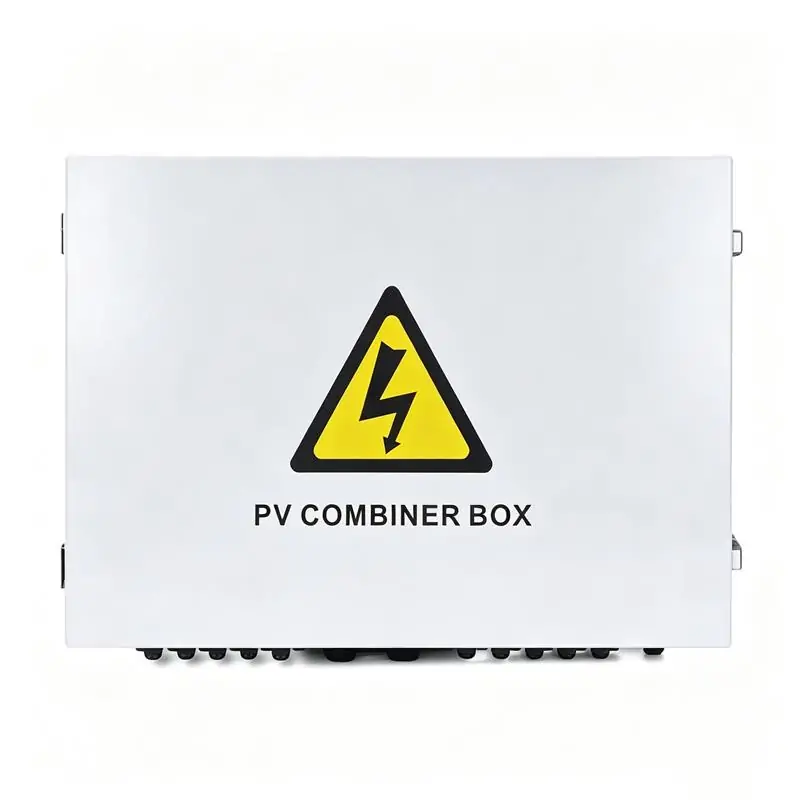
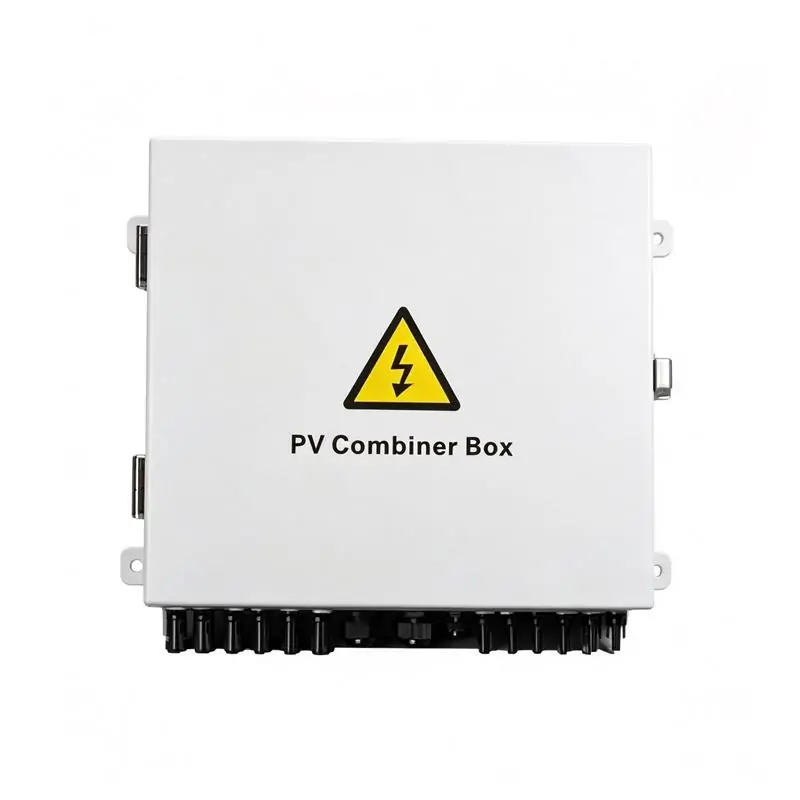
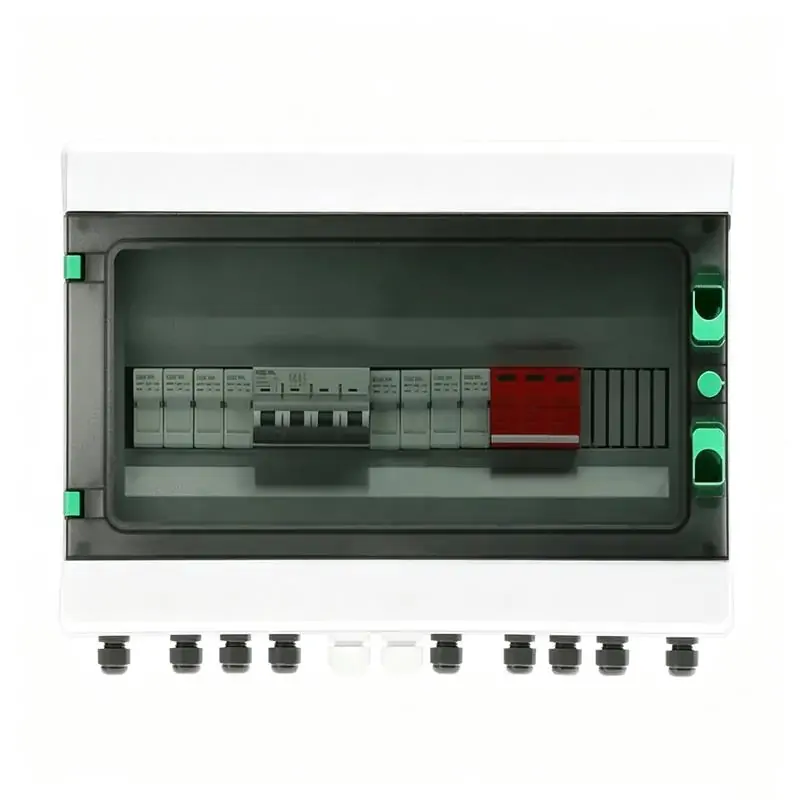
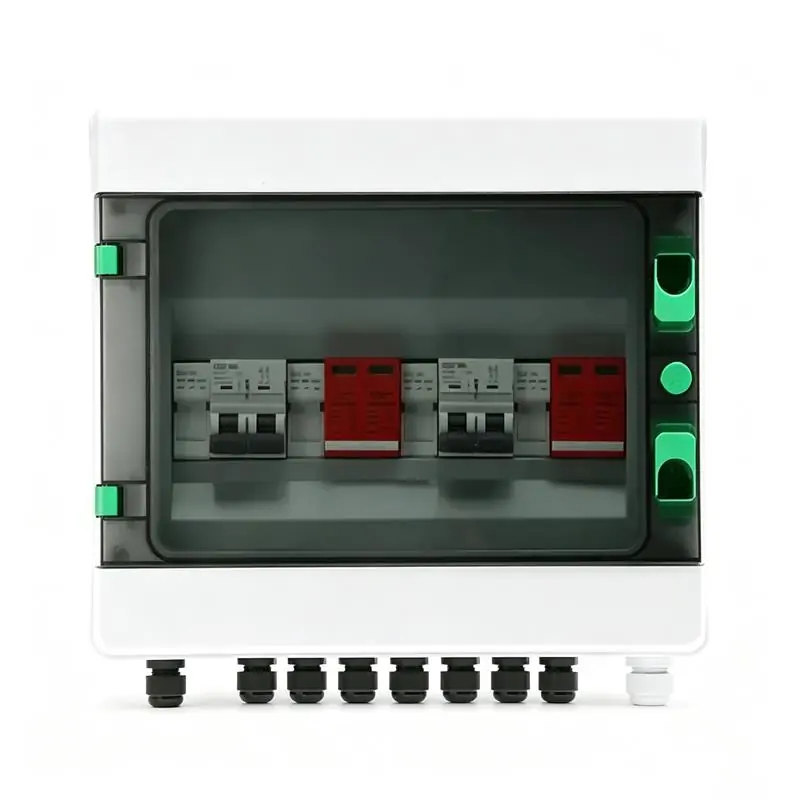
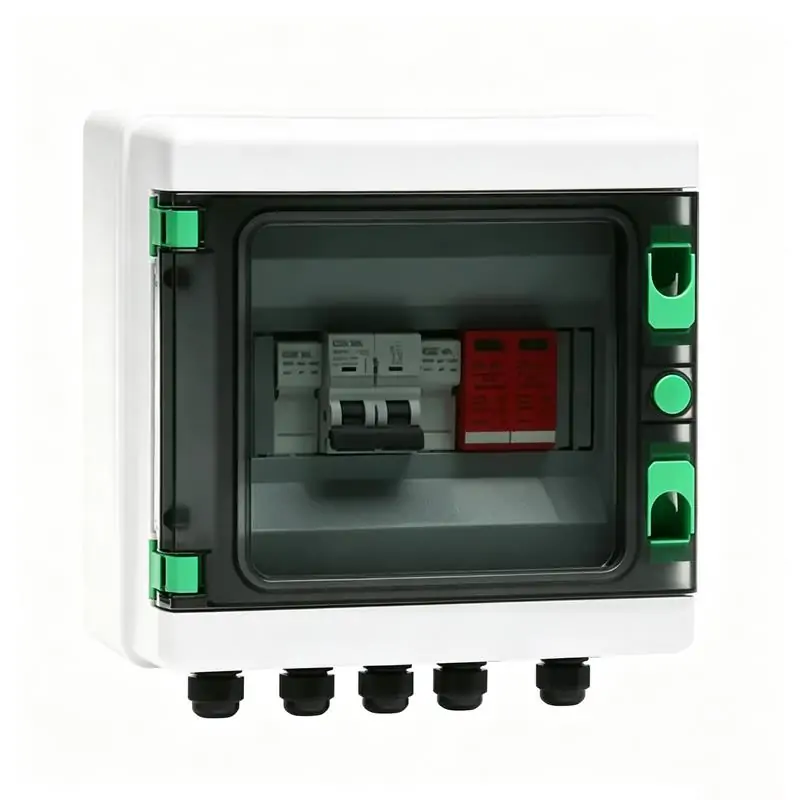
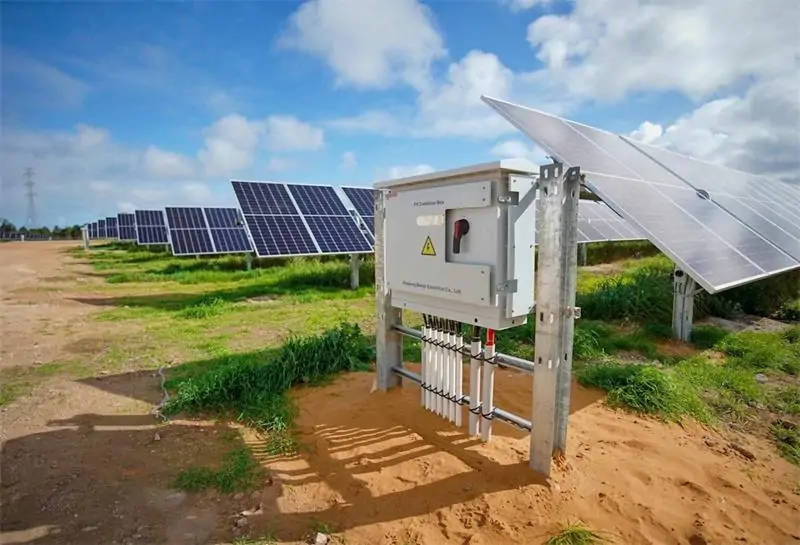
A PV combiner box, also called a solar combiner box or DC combiner box, is an electrical enclosure that brings together multiple DC input circuits from photovoltaic strings. It consolidates these inputs into one or more output circuits, depending on the system design.
A PV string is a group of solar modules connected in series. Multiple strings may be connected in parallel to increase the current available to the downstream equipment. In systems that use an external combiner box, the box provides a central point for these connections and may house protective devices.
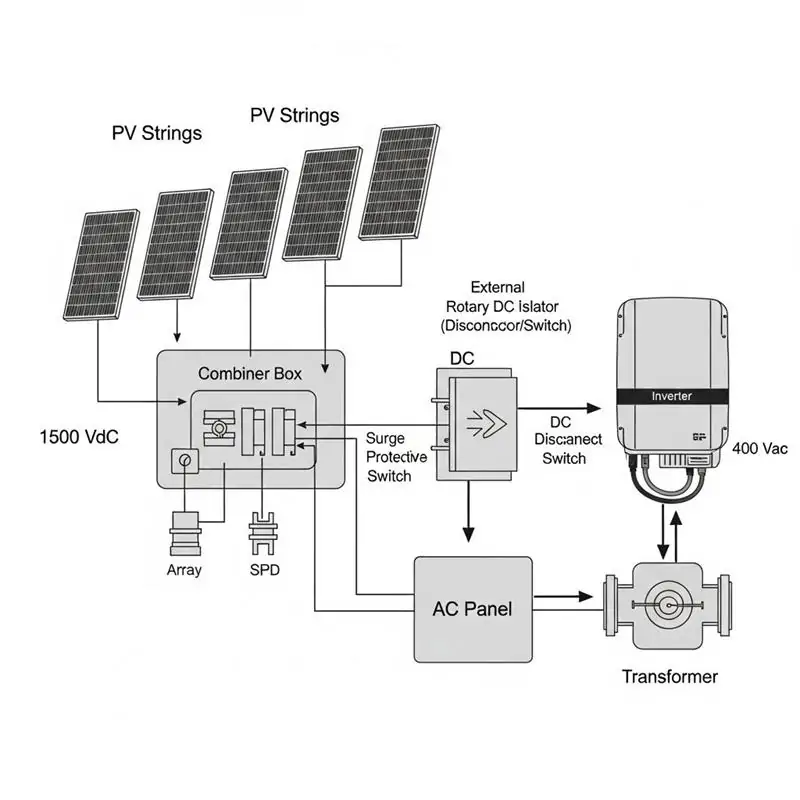
In a typical centralized arrangement, the power path looks like this:
PV Modules → PV Strings → PV Combiner Box → Inverter → AC Electrical System
This is a simplified example, not a universal layout. Some string inverters accept multiple PV string inputs directly and include string-level connections or protection within the inverter. In those systems, a separate external combiner box may not be necessary.
To understand how the combiner box fits into the complete installation, explore GEYA’s solar power solutions and related photovoltaic components.
2. What Does a PV Combiner Box Actually Do?
2.1 Combines Multiple DC Circuits
The primary function is to consolidate multiple PV string circuits. Instead of routing every string separately over the entire distance to downstream equipment, the system can use a suitable combiner box to organize the connections and reduce the number of outgoing cable runs.
Depending on the installation, this can simplify cable routing, improve circuit organization, and reduce installation labor. However, a combiner box does not automatically reduce total electrical losses. Cable sizing, conductor length, operating current, connection quality, and system layout all affect performance.
2.2 Provides Overcurrent Protection
PV string fuses or appropriately rated DC circuit breakers may protect circuits against certain overcurrent conditions. For example, a fault in one string can allow current from other parallel strings to feed into the affected circuit. Properly selected protection helps limit the risk of conductor damage and other electrical hazards.
The required protective devices depend on the module specifications, the number of parallel strings, the maximum expected fault current, the applicable electrical code, and the inverter manufacturer’s instructions.
2.3 Helps Protect Against Transient Overvoltage
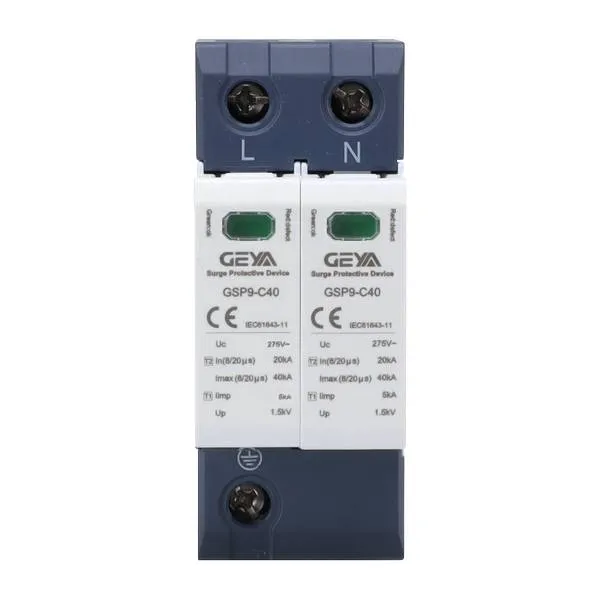
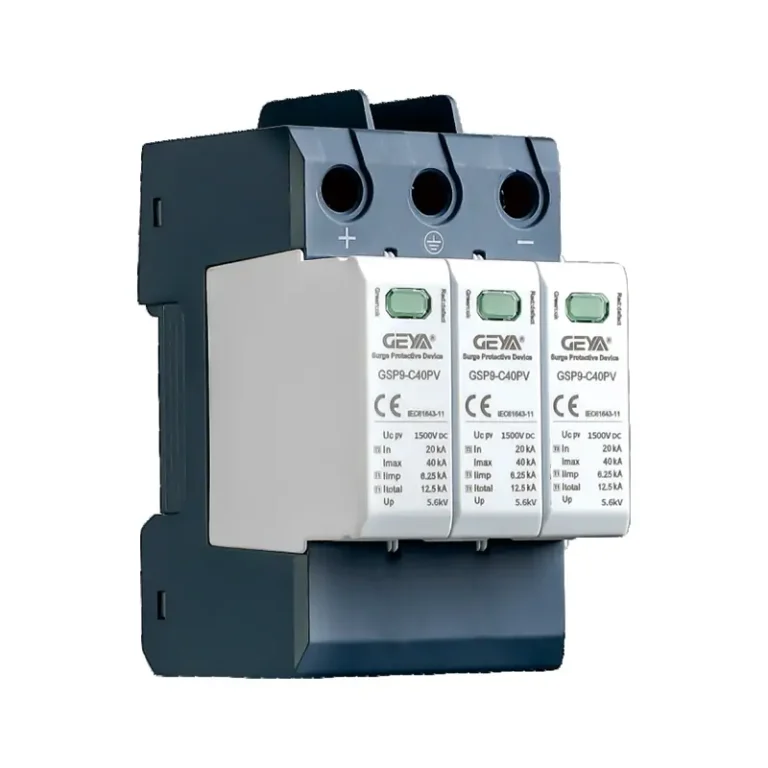
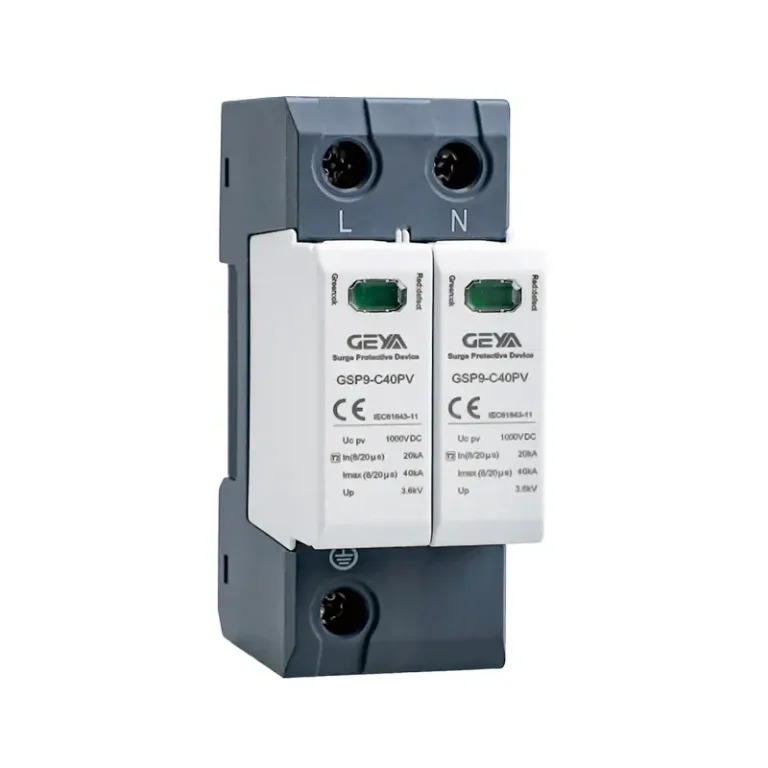
Lightning activity and switching events can create transient overvoltages in a PV installation. A suitably selected surge protective device (SPD) can help limit these transients and reduce the risk of damage to connected equipment.
An SPD is not a substitute for a complete lightning protection and grounding strategy. Its voltage rating, protection level, discharge capability, system compatibility, and installation location must be considered as part of the overall design.
2.4 Supports Safe Isolation and Maintenance
Where required by the system design, a DC disconnect or isolating device allows the relevant circuit to be isolated for maintenance. The device must be specifically suitable for the DC voltage and current involved, including the switching and isolation duties it is expected to perform.
Never assume that opening a switch makes every conductor inside a PV system safe to touch. Solar modules can continue producing DC voltage whenever they are illuminated, and safe work requires appropriate procedures and verification.
2.5 Enables String-Level Monitoring in Smart Systems
Some intelligent PV combiner boxes include current sensors, voltage measurement, temperature monitoring, or communications interfaces. These features can help operators identify unusual string behavior, compare circuit performance, and investigate potential faults.
For example, if one string produces noticeably less current than comparable strings under similar conditions, the monitoring system may help the maintenance team investigate shading, soiling, connector problems, module damage, or other causes.
Monitoring features vary by model. Confirm which measurements, alarms, communication protocols, and remote-access functions are actually supported before selecting a smart combiner box.
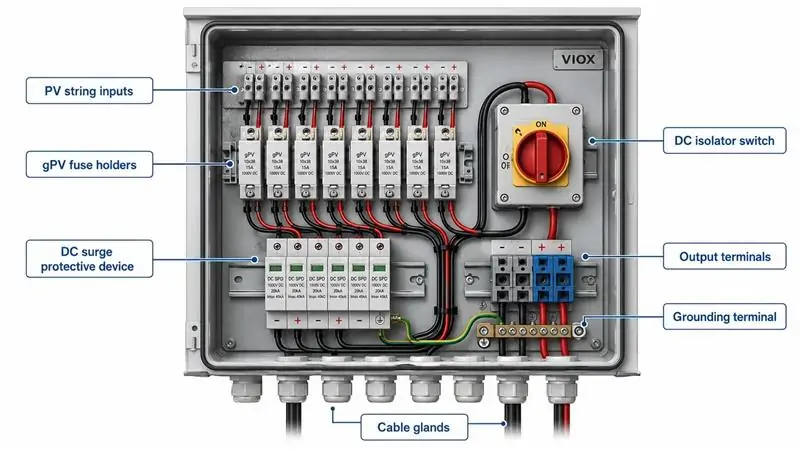
3. Inside a PV Combiner Box: Key Components Explained
3.1 DC Fuses or Circuit Breakers
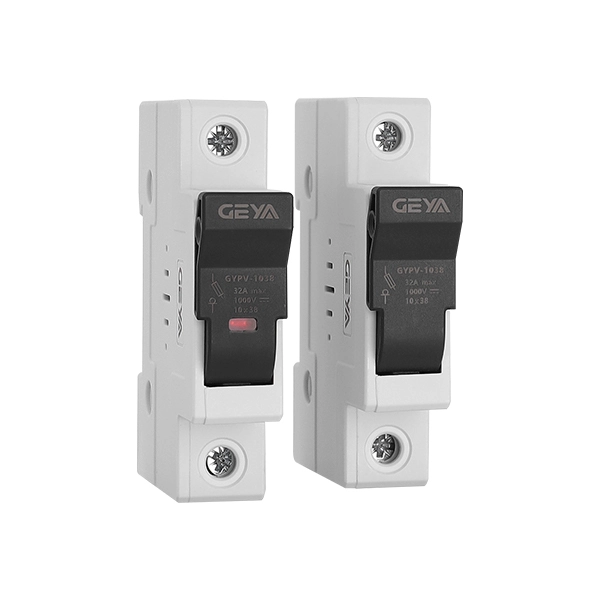
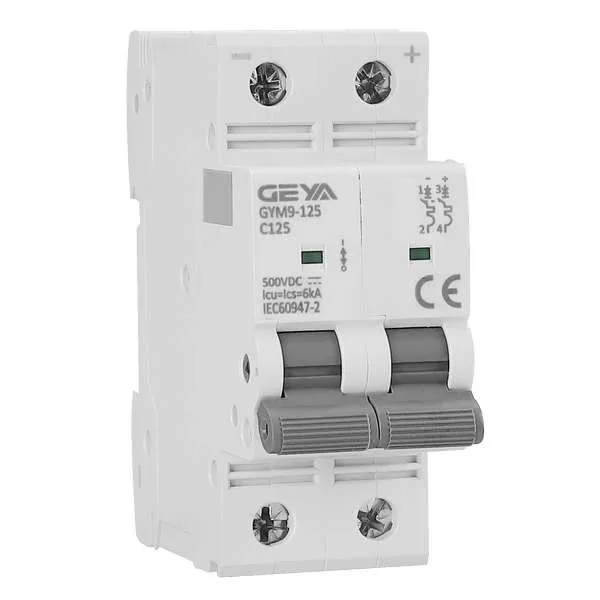
String fuses are commonly used to protect individual PV input circuits when required by the design. Each fuse must have the correct DC voltage rating, current rating, interrupting capacity, and suitability for photovoltaic applications.
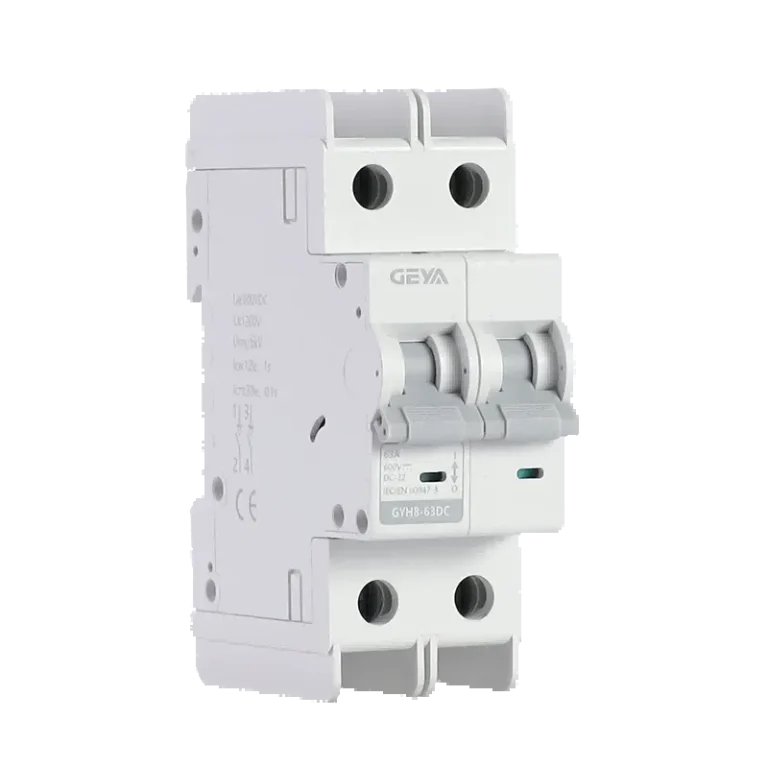
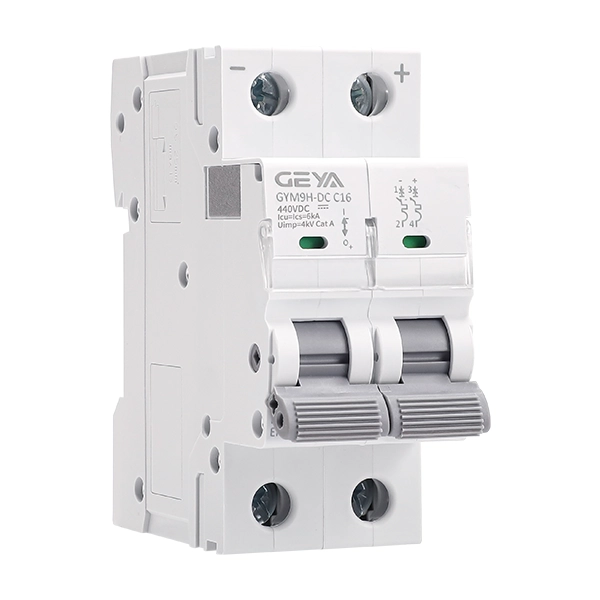
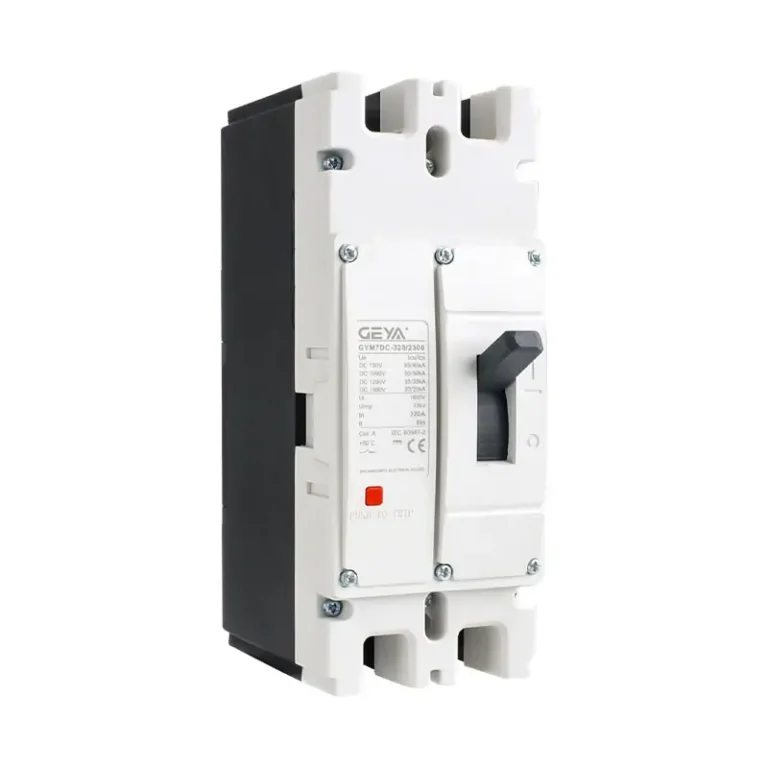
DC circuit breakers may also be used where the system design and product specifications permit. Fuses and circuit breakers are not automatically interchangeable: their selection depends on the intended protective function and applicable requirements.
3.2 DC Disconnect or Isolator
A DC disconnect provides a means of isolating the relevant circuit or output for maintenance, where specified. The device must be rated for the actual DC operating conditions and installed according to the manufacturer’s instructions.
3.3 Surge Protective Device (SPD)
The SPD helps limit transient overvoltages that could otherwise stress sensitive electrical equipment. A suitable PV SPD must be selected for the system voltage and grounding arrangement, with appropriate coordination and connection practices.
3.4 Enclosure and Environmental Protection
PV combiner boxes are often installed outdoors, where they can face rain, dust, solar radiation, high temperatures, and seasonal weather changes. The enclosure should be suitable for the installation environment, with an appropriate ingress protection rating, corrosion resistance, UV resistance, cable entries, and thermal performance.
IP65 and IP66 are examples of enclosure protection ratings, not automatic guarantees that every box is suitable for every outdoor site. The complete assembly, installation method, seals, cable glands, and maintenance requirements all matter.
3.5 Monitoring and Communication Hardware
Depending on the model, a smart combiner box may include string-current measurement, voltage monitoring, temperature sensors, alarm functions, or a communication interface for a supervisory system.
These features can improve visibility into system operation, but they also introduce additional requirements for power supply, communications, configuration, cybersecurity, and maintenance.
4. How to Choose the Right PV Combiner Box
4.1 Start With the Solar Project Type
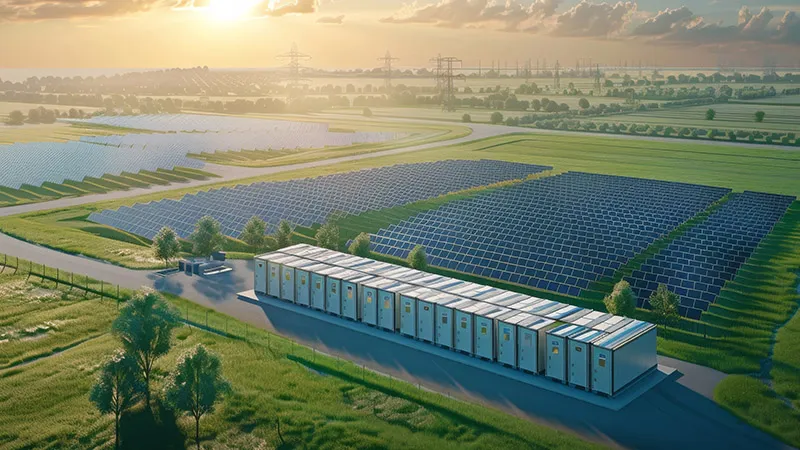
Utility-scale solar farms: Large installations may use external combiner boxes to consolidate multiple strings and support a centralized DC collection architecture. The number and location of boxes depend on array design, inverter topology, cable distances, maintenance access, and project economics.
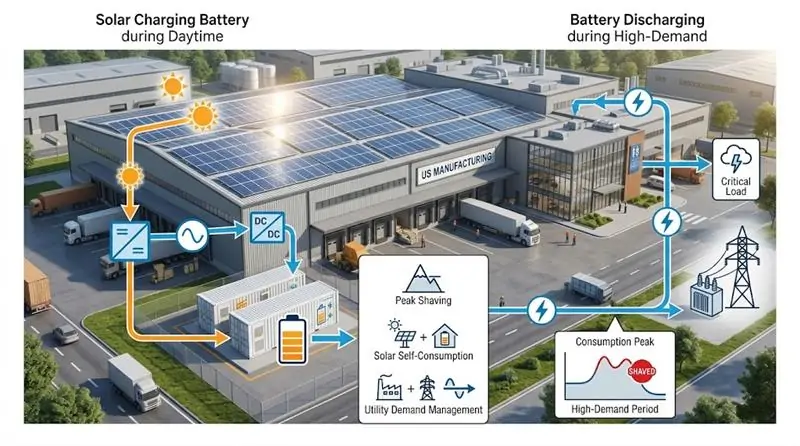
Commercial and industrial rooftops: Factories, warehouses, distribution centers, and other commercial buildings may use external boxes when needed to organize PV strings, provide specified protection, or simplify the connection to downstream equipment. Roof space, cable routing, environmental exposure, and access for maintenance should all be evaluated.
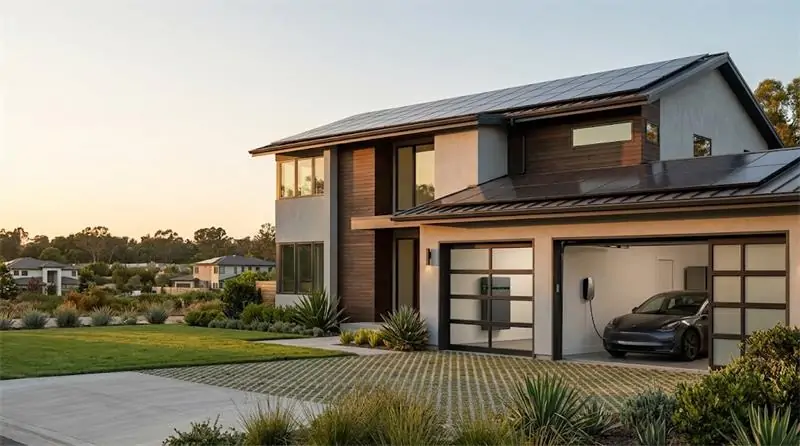
Residential solar systems: Many modern residential string inverters accept multiple strings directly and provide specified protective functions internally. An external combiner box is useful only when the system architecture, electrical design, equipment requirements, or applicable rules call for one.
4.2 Check the Maximum DC System Voltage
PV equipment is designed for specific voltage limits. Common system architectures include 1,000 V DC and 1,500 V DC in certain commercial and utility-scale applications. These are examples, not interchangeable options for every project.
The selected combiner box and every installed component must be suitable for the maximum possible PV circuit voltage under the expected site temperature conditions. The design must also account for the module’s open-circuit voltage and the temperature correction required by applicable codes and manufacturer guidance.
4.3 Confirm the Number of Inputs and Outputs
Specifications such as 8-input/1-output or 16-input/1-output describe a possible arrangement in which multiple string inputs are consolidated into one output circuit. The correct configuration depends on the number of strings, allowable current, string protection requirements, conductor sizing, and downstream inverter inputs.
Do not select a box by input count alone. Check the maximum input current, output current, terminal capacity, protective device ratings, and whether the design permits the proposed strings to be connected in parallel.
4.4 Verify Standards, Certifications, and Documentation
For projects in the United States, review the applicable electrical code, the authority having jurisdiction (AHJ), the project specifications, and the requirements of the utility or owner. Depending on the product and project, relevant considerations may include UL listing or certification, suitable component ratings, and documented compliance with applicable standards.
CE marking is relevant to certain markets and regulatory frameworks, but it should not be treated as a substitute for US-specific acceptance requirements. TÜV and other third-party marks must also be checked against the actual product, certificate scope, and intended application.
For projects in other markets, certifications such as CGC may be relevant where recognized or required. Always verify the certificate holder, model number, standard, validity, and scope rather than relying on a logo alone.
4.5 Evaluate the Site Environment and Maintenance Needs
Consider ambient temperature, direct sunlight, humidity, dust, salt exposure, enclosure material, mounting method, cable entry design, and the availability of qualified maintenance personnel.
If remote monitoring is important, check the supported communication interface, data availability, alarm behavior, monitoring software compatibility, and whether a separate gateway or power supply is required.
5. Common PV Combiner Box Selection Mistakes
- Choosing by price alone: A lower purchase price may not reflect the full cost of installation, maintenance, downtime, or replacement.
- Ignoring DC ratings: A device suitable for AC service is not automatically suitable for PV DC circuits. Verify DC ratings and intended use.
- Assuming every box includes the same protection: Fuses, disconnects, SPDs, and monitoring functions vary by configuration.
- Overlooking inverter architecture: An external box may be unnecessary if the inverter already accepts the required strings and provides the functions specified by the design.
- Ignoring environmental conditions: An enclosure rating alone does not guarantee long-term suitability for heat, UV exposure, corrosion, or poor installation conditions.
- Failing to verify certifications: Confirm the documentation for the exact model and target market before purchase.
6. Frequently Asked Questions About PV Combiner Boxes
Is a PV combiner box necessary for every solar installation?
No. Its necessity depends on the system architecture, inverter inputs, protective functions, and applicable requirements. Many residential systems use string inverters with multiple direct PV inputs, while some larger installations use external combiner boxes.
What is the difference between a PV combiner box and a distribution box?
A PV combiner box is designed for combining photovoltaic DC string circuits and may include PV-specific protective devices. A distribution box is a broader term for equipment that distributes or manages electrical circuits. Their functions and ratings are not automatically interchangeable.
What does an 8-in/1-out PV combiner box mean?
It generally indicates eight input circuits consolidated into one output circuit. The actual permissible configuration depends on the manufacturer’s design, input and output ratings, protective devices, and the requirements of the PV system.
Does a PV combiner box prevent all lightning damage?
No. An SPD can help limit transient overvoltages, but it cannot guarantee protection against every lightning event. Effective protection also depends on grounding, bonding, wiring layout, equipment coordination, and the overall lightning protection design.
Should I choose a smart PV combiner box?
A smart model may be worthwhile when string-level visibility, remote diagnostics, or reduced troubleshooting time offers operational value. For smaller systems with limited monitoring needs, a simpler configuration may be sufficient. Compare the actual functions and lifecycle costs before deciding.
7. Choose a PV Combiner Box Based on Your System Design
A PV combiner box is more than a place to connect wires. When appropriately specified, it can organize DC circuits, accommodate required electrical protection, support maintenance, and provide valuable operating data.
The best choice depends on the PV array, inverter architecture, system voltage, current ratings, environmental conditions, applicable standards, and monitoring requirements. A careful review of these factors can help project teams select equipment that fits the installation rather than paying for unnecessary features or overlooking essential protection.
Looking for photovoltaic electrical components for your next project? Explore GEYA’s relevant solar solutions and contact the team to discuss your application.
What matters most in your project: straightforward string consolidation, electrical protection, or remote monitoring? Share your priorities with your solar installation or engineering team before choosing a configuration.